The Rise of Unmanned Aerial Vehicles in Modern Warfare
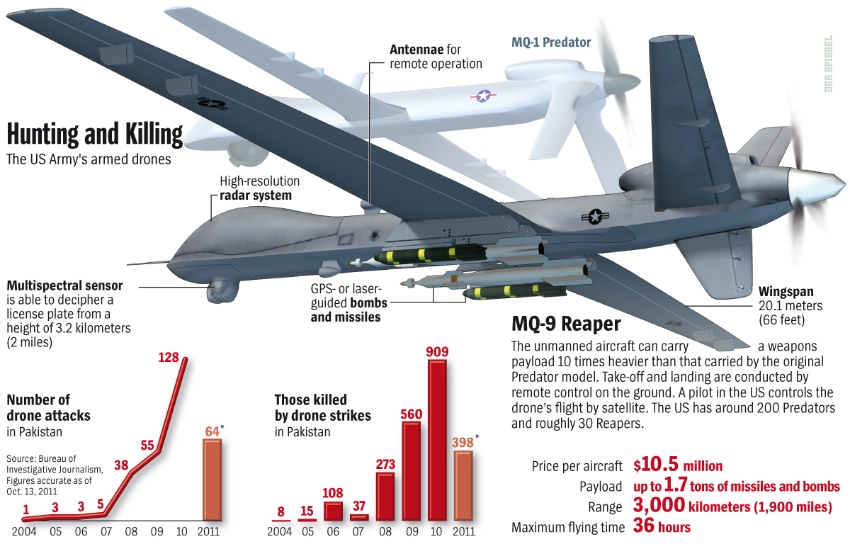
Unmanned aerial vehicles (UAVs) have fundamentally reshaped the landscape of military operations worldwide. What began as rudimentary remote-controlled reconnaissance platforms has evolved into a sprawling ecosystem of autonomous and semi-autonomous aircraft capable of surveillance, targeted strikes, and persistent battlefield awareness. From pocket-sized micro-drones to high-altitude long-endurance systems like the MQ-9 Reaper, these machines now occupy a central role in the defense strategies of dozens of nations.
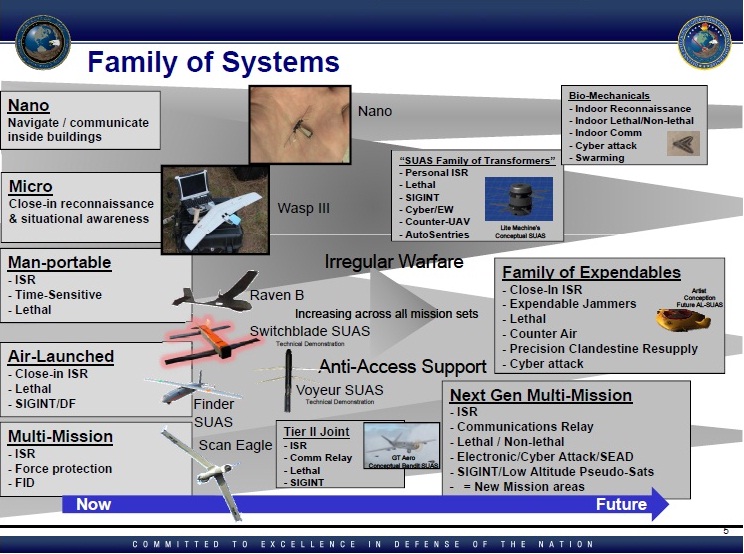
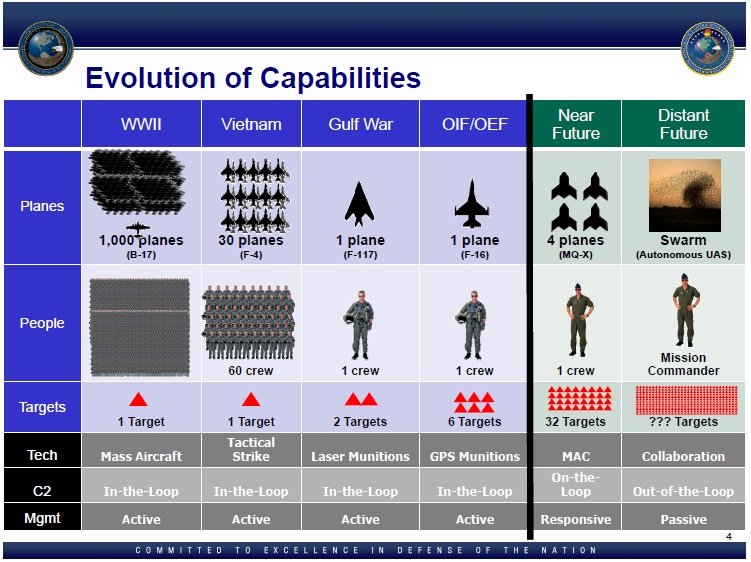
A formerly classified briefing document titled “Unmanned Aircraft Systems Present & Future Capabilities” (October 2009) outlined the trajectory of drone development across six key areas: the rationale behind unmanned aircraft, the evolution of their capabilities, surging demand from military branches, emerging mission profiles, technical and regulatory challenges, and a forward-looking vision for integration into broader defense architectures.
Who Builds Military Drones and Who Operates Them
The drone manufacturing sector is dominated by a handful of major defense contractors. Companies such as General Atomics, Northrop Grumman, Lockheed Martin, Boeing, and Israel Aerospace Industries (IAI) produce the vast majority of large military UAVs in service today. On the operational side, these systems are deployed by entities including the CIA, U.S. Air Force, U.S. Navy, U.S. Marines, U.S. Army, Israel Defense Forces, Royal Air Force, and U.S. Customs and Border Protection, among many others. Essentially, any government entity with a substantial defense or research budget has access to some form of drone technology.
Global Inventory of Large Military Drones by Country
The following table compiles data on Class 2 and Class 3 military drones deployed by nations around the world. It excludes small, micro, and mini drones, as well as systems operated by police forces, border agencies, national guard units, or intelligence services. Given the classified nature of many programs, this inventory is almost certainly incomplete.
|
Country |
UAV Model |
Quantity |
Branch |
Manufacturer (Origin) |
| Australia | Heron | 8 | Army | IAI (Israel) |
| Belgium | RQ-5 Hunter | 13 | Air Force | Northrop Grumman (US) |
| Canada | Heron | 5 | Air Force | IAI (Israel) |
| China | CASC CH-3, Wing Loong, CASIC WJ-600, ASN 200 variants | Unknown | Unknown | CASC, CAC, CASIC, ASN (China) |
| Ecuador | Searcher Mk2, Heron | 4, 2 | Navy | IAI (Israel) |
| Egypt | R4E-50 Skyeye, Scarab | 20, 29 | Air Force | BAE Systems (US), Northrop Grumman (US) |
| Finland | ADS-95 Ranger | 6 | Army | RUAG Aviation (Switzerland) & IAI (Israel) |
| France | Sperwer, Harfang | 20, 3 | Army, Air Force | SAGEM (France), EADS (Europe) & IAI (Israel) |
| Germany | KZO, Luna, Heron, Euro Hawk | 6, 6, 3, 1 | Army, Air Force | Rheinmetall, EMT Penzberg (Germany), IAI (Israel), Northrop Grumman & EADS |
| Greece | Sperwer | 2 | Army | SAGEM (France) |
| India | Nishant, Searcher MK2, Heron | 14, 20, 16 | Army, Navy/Army/AF, Air Force | ADE (India), IAI (Israel) |
| Iran | Mohajer 4 | Unknown | Army | Ghods Aviation (Iran) |
| Israel | Searcher Mk2, RQ-5A Hunter, Hermes 450, Heron, Heron 2 | 22+ | Air Force | IAI, Northrop Grumman, Elbit Systems (Israel/US) |
| Italy | RQ-1B Predator | 6 | Air Force | General Atomics (US) |
| Jordan | Seeker SB7L | 6 | Air Force | Seabird Aviation (Jordan) |
| Mexico | Hermes 450 | 2 | Air Force | Elbit Systems (Israel) |
| Netherlands | Sperwer | 14 | Army | SAGEM (France) |
| Singapore | Searcher Mk2, Hermes 450, Heron | 42, unknown, 1 | Air Force | IAI, Elbit Systems (Israel) |
| South Korea | Night Intruder, Searcher | Unknown, 3 | Air Force | KAI (South Korea), IAI (Israel) |
| Spain | Searcher MK2 | 4 | Army | IAI (Israel) |
| Turkey | Gnat 750, Heron | 18, 10 | Air Force | General Atomics (US), IAI (Israel) |
| United Kingdom | Hermes 450, Watchkeeper, MQ-9 Reaper | Unknown, planned 54, 5 | Army, Air Force | Elbit Systems, Thales (UK), General Atomics (US) |
| United States | I-Gnat, RQ-5 Hunter, Grey Eagle, MQ-8 Fire Scout, Global Hawk, MQ-1 Predator, MQ-9 Reaper, RQ-170 Sentinel | 3, 45, 4, 6, 30, 175, 65, unknown | Army, Navy, Air Force | General Atomics, Northrop Grumman, Lockheed Martin (US) |
Data compiled from The Military Balance 2011 (IISS), Jane’s Unmanned Aerial Vehicles and Targets 2011, Congressional Research Service reports, and various press accounts. China’s systems may still be in development. Germany ordered five Euro Hawks based on Global Hawk. India expressed requirements for up to 50 Herons. The UK planned to acquire 54 Watchkeepers and 10 Reapers. The US planned to acquire 152 Grey Eagles, up to 50 Global Hawks, and 400 Reapers.
The Hidden Workforce Behind Every Drone Flight
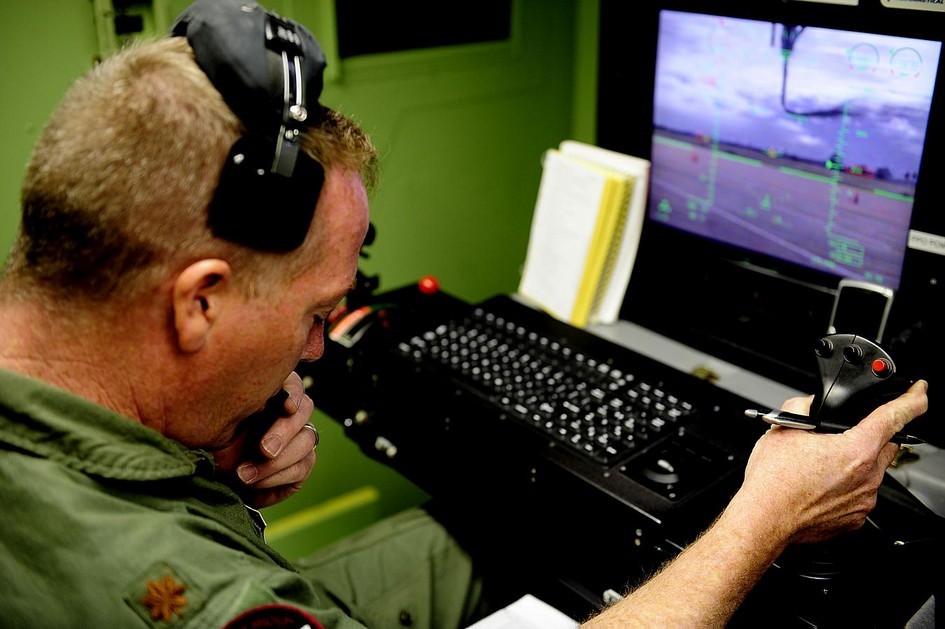
Despite the common perception that drones operate with minimal human involvement, maintaining a single Predator drone in the air for a 24-hour period requires an estimated 170 crew members. Planning, overseeing, and debriefing a coordinated drone-directed strike involving multiple platforms demands even more personnel. Civilian defense contractors frequently participate in on-site operations as well.
A comprehensive 2,200-page investigative report published by U.S. Central Command (CENTCOM) documented the staffing requirements and operational procedures involved in drone-directed strikes, providing detailed insight into the bureaucratic and tactical machinery that supports every engagement.
Civilian Casualties and the Expansion of Drone Strikes
The human cost of drone warfare has drawn persistent scrutiny from journalists, human rights organizations, and legal scholars. In Yemen, a senior U.S. counter-terrorism expert warned that American drone strikes were transforming the country into what he described as the Arabian equivalent of Pakistan’s Waziristan tribal region. Reports from CNN indicated that a strike killing seven suspected militants was followed by a secondary strike targeting local residents who had rushed to assist the wounded. Local sources reported between eight and twelve civilians killed in that follow-up attack. A Yemeni security official expressed regret, stating that the civilians were not the intended targets.
During this period, the White House granted expanded authority to the CIA and Joint Special Operations Command (JSOC) to conduct strikes in Yemen. Analyst Micah Zenko of the Council on Foreign Relations estimated that U.S. strikes in Yemen during that month would exceed any single month’s total in Pakistan. Strikes continued simultaneously in Pakistan and Afghanistan, though details on Afghan operations remained largely undisclosed. In one acknowledged incident, the U.S. military apologized after confirming that an airstrike killed a mother and her five children in Afghanistan.
Drone Intelligence Sharing and Unintended Consequences
The expansion of drone operations has produced cascading effects beyond intended targets. U.S. Predator drones relocated from Iraq to Turkey were used to help Turkish military forces monitor Kurdish separatist activity. The Wall Street Journal reported that intelligence from one of these drone operations led directly to a Turkish military strike in December 2011 that killed 38 civilians. Separately, a South Korean military demonstration of a drone built by an Austrian company ended in tragedy when the aircraft crashed, killing an engineer and injuring two others.
Preparing Drones for Civilian Airspace
While military applications have dominated the drone conversation, governments have simultaneously pushed to integrate unmanned systems into civilian airspace. The U.S. Federal Aviation Administration (FAA) announced in 2012 that it had met the initial deadline mandated by the FAA Reauthorization Act, which called for streamlining the process through which government agencies obtain Certificates of Authorization (COA) to operate drones domestically. The broader goal was to allow routine drone flights in U.S. civil airspace by September 2015.
In the United Kingdom, BAE Systems conducted a series of flight tests over the Irish Sea as part of the ASTRAEA program (Autonomous Systems Technology Related Airborne Evaluation & Assessment). This industry-led consortium focused on developing the technologies, regulations, and procedures necessary for autonomous vehicles to operate safely alongside manned aircraft in UK airspace. BAE fitted an autonomous navigation system to a Jetstream 31 passenger aircraft, enabling pilotless flight with a safety pilot on board, and conducted further tests involving infrared and sense-and-avoid systems.
Political Conflicts of Interest in the Drone Industry
The rapid growth of military drone programs has raised questions about the intersection of defense industry lobbying and congressional oversight. The Know Drones Tour, a national awareness campaign, challenged Congressman C.A. “Dutch” Ruppersberger, a member of the House Unmanned Systems (Drone) Caucus, over approximately $190,000 in campaign contributions received from drone manufacturers and related businesses. Tour director Nick Mottern argued that Congress had failed to conduct meaningful oversight of drone warfare while simultaneously opening American skies to armed and surveillance-equipped drones. Ruppersberger sat on both the House Armed Services Committee and the House Permanent Committee on Intelligence, positions with direct relevance to drone policy.
The campaign was endorsed by a broad coalition including the American Civil Liberties Union, American Friends Service Committee, Veterans for Peace, Code Pink, War Resisters League, and numerous other advocacy organizations.
Hobby and Research Applications of Drone Technology
Beyond military and surveillance applications, drone technology has found growing adoption in civilian hobby and research communities. Do-it-yourself remote control drones offer accessible entry points for aerial photography, environmental monitoring, agricultural surveying, and scientific data collection. These beneficial uses represent a counterpoint to the weaponized applications that dominate public discourse, though they also raise their own set of questions about privacy and airspace regulation.
This article is based on reporting originally published by the Bureau of Investigative Journalism, the Congressional Research Service, the International Institute for Strategic Studies, and various press outlets. All factual claims are attributed to the sources cited.