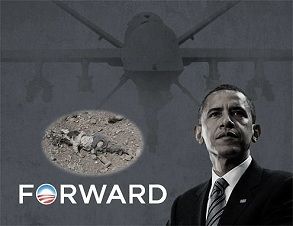
When President Obama first entered office, unmanned aerial strikes happened sporadically — perhaps once every couple of weeks. By 2012, these operations had become the backbone of American counterterrorism policy worldwide. The administration systematized lethal drone operations to such a degree that the machinery could essentially run itself. With a second term secured, that apparatus was poised to expand even further.
How Drones Became the Default Weapon of U.S. Counterterrorism
Early in Obama’s first term, then-CIA Director Leon Panetta described unmanned strikes as the sole viable option for targeting al-Qaida inside Pakistan. Launching another ground invasion was politically impossible, and the intelligence community lacked enough human operatives on the ground. The administration responded by building its entire counterterrorism framework around drone technology, transforming surveillance and targeted killing into a streamlined bureaucratic operation managed by White House staff with limited external accountability. The CIA and Joint Special Operations Command spearheaded this robotic campaign, supplementing it with special forces raids and offensive cyber capabilities.
Lethal drone operations had already expanded from Pakistan into Yemen and Somalia. Following the 2012 reelection, Mali appeared next on the list — a nation unfamiliar to most Americans whose northern territory had fallen under militant control. U.S.-backed forces were already laying plans to reclaim that region. The impending appointment of Army Gen. David Rodriguez, who had served as day-to-day commander of Afghan operations, to lead U.S. Africa Command signaled a preference for commanders experienced in protracted, low-footprint conflicts. Rodriguez would rely on unmanned aircraft and commando units operating from expanding installations in locations like Djibouti to track and degrade al-Qaida’s growing presence across northern and eastern Africa.
Cyber Warfare Became Routine Under Obama’s Second Term
The administration pursued a parallel normalization of offensive cyber operations. Senior military officials no longer hedged about their capacity to attack enemy digital infrastructure. The Air Force openly discussed spending $10 million on capabilities designed to destroy, deny, degrade, and disrupt adversary networks. DARPA launched an initiative called “Plan X” aimed at integrating network infiltration and data exfiltration into standard military operations — with the goal of making cyberattacks as automated as aircraft autopilot systems. The Stuxnet worm that sabotaged Iranian nuclear centrifuges represented merely the opening chapter of this new domain of conflict.
Defense Cuts, Iran, and the Afghanistan Endgame
Despite campaign rhetoric about a receding tide of war, the national security challenges confronting the second-term team were intensifying rather than subsiding.
The most immediate crisis involved helping Congress prevent automatic 9.4 percent annual cuts to virtually every Pentagon program over the following decade — reductions that both Obama and Defense Secretary Panetta publicly opposed.
Iran presented an even thornier problem. Israeli Prime Minister Benjamin Netanyahu had signaled willingness to launch military strikes against Iranian nuclear facilities by summer 2013. While Obama held a stronger negotiating position after reelection, he remained publicly committed to preventing Iran from acquiring nuclear weapons. Even if outright war could be avoided — Obama’s clear preference — Tehran would continue consuming enormous bandwidth from the White House and Pentagon. The covert alternative carried its own implications: the entire purpose of Stuxnet had been to undermine Iranian confidence in the industrial controls governing their centrifuge operations.
Afghanistan remained the most dishonestly discussed conflict. The president frequently characterized his policy as simply ending the war so America could focus on domestic priorities. The reality was far more nuanced. While Obama was committed to withdrawing most combat forces by 2014, he planned to maintain a residual military presence in the country, with negotiations over that footprint’s size and purpose set to begin shortly. Among the administration’s likely objectives: securing permission to continue using Afghan air bases as staging grounds for drone strikes into Pakistani territory.
The Unsustainable Trajectory of Robotic Warfare
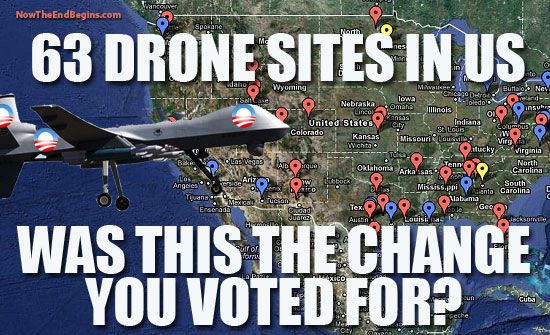
Even within the administration, officials were beginning to question the sustainability of an ever-expanding drone campaign. Micah Zenko, a scholar at the Council on Foreign Relations, identified a coming reckoning. According to Zenko, there was internal recognition that the current pace of strikes could not be maintained indefinitely. Drone operations faced opposition both in countries where strikes occurred and across the international community, creating risk that host nations might revoke access to bases or overflight corridors. Future American diplomats might discover that the drone program overshadowed every other diplomatic objective they sought to advance. Meanwhile, the administration’s search for less lethal alternatives to supplement the strikes showed little promise.
Broader Foreign Policy Goals Kept Getting Sidelined
Obama’s ambitious international agenda repeatedly fell victim to immediate crises. The once-prominent goal of global nuclear disarmament had largely disappeared from public discourse. Any path toward Israeli-Palestinian peace required cooperation from Netanyahu, who remained fixated exclusively on Iran. The much-discussed strategic pivot toward Asia kept getting postponed — the Navy’s most advanced vessels were being deployed to confront Iran rather than maintain Pacific shipping lane security.
Civil liberties advocates pointed to troubling continuities: expanded warrantless surveillance, indefinite detention of terrorism suspects, military tribunals at Guantanamo Bay, aggressive prosecution of government whistleblowers, and broad assertions of executive war powers. Yet there was no indication these policies would change. Benjamin Wittes of the Brookings Institution observed that a bipartisan policy consensus had solidified across Bush’s second term and Obama’s first — one that rejected torture but embraced expansive surveillance and detention authority.
As the second term began, ideological assumptions about Obama’s foreign policy approach deserved scrutiny from all sides. Liberals continued hoping for policies less reliant on lethal robotics, while conservatives persisted in characterizing the president as weak on defense. Heritage Foundation analyst Jim Carafano quipped on social media that the country was about to witness Jimmy Carter’s hypothetical second term.
The evidence told a different story entirely. Obama had elevated stealthy robotic warfare into the preferred instrument of American national security policy, wrapping it in bureaucratic systems that operated nearly on autopilot. His strongest incentive to stay the course was straightforward: apart from the Benghazi consulate attack, the administration’s handling of global affairs had been remarkably free of high-profile failures. That kind of track record sustains a foreign policy agenda — and propels it forward.
Originally published November 8, 2012. Content adapted from reporting by Wired’s Danger Room.