Feb 13, 2015 | 2020 Relevant, Nature Body Mind
The United Nations says Animals Eat Psychoactive Plants the drug war’s rationale is to build “a drug-free world — we can do it!” U.S. government officials agree, stressing that “there is no such thing as recreational drug use.” So this isn’t a war to stop addiction, like that in my family, or teenage drug use. It is a war to stop drug use among all humans, everywhere. All these prohibited chemicals need to be rounded up and removed from the earth. That is what we are fighting for.
I began to see this goal differently after I learned the story of the drunk elephants, the stoned water buffalo, and the grieving mongoose. They were all taught to me by a remarkable scientist in Los Angeles named Professor Ronald K. Siegel.
***
The tropical storm in Hawaii had reduced the mongoose’s home to a mess of mud, and lying there, amid the dirt and the water, was the mongoose’s mate — dead. Professor Siegel, a silver-haired official adviser to two U.S. presidents and to the World Health Organization, was watching this scene. The mongoose found the corpse, and it made a decision: it wanted to get out of its mind.
Two months before, the professor had planted a powerful hallucinogen called silver morning glory in the pen. The mongooses had all tried it, but they didn’t seem to like it: they stumbled around disoriented for a few hours and had stayed away from it ever since. But not now. Stricken with grief, the mongoose began to chew. Before long, it had tuned in and dropped out.
It turns out this wasn’t a freak occurrence in the animal kingdom. It is routine. As a young scientific researcher, Siegel had been confidently toldby his supervisor that humans were the only species that seek out drugs to use for their own pleasure. But Siegel had seen cats lunging at catnip — which, he knew, contains chemicals that mimic the pheromones in a male tomcat’s pee —so, he wondered, could his supervisor really be right? Given the number of species in the world, aren’t there others who want to get high, or stoned, or drunk?
This question set him on a path that would take twenty-five years of his life, studying the drug-taking habits of animals from the mongooses of Hawaii to the elephants of South Africa to the grasshoppers of Soviet-occupied Czechoslovakia. It was such an implausible mission that in one marijuana field in Hawaii, he was taken hostage by the local drug dealers, because when he told them he was there to see what happened when mongooses ate marijuana, they thought it was the worst police cover story they had ever heard.
What Ronald K. Siegel discovered seems strange at first. He explains in his book Intoxication:
After sampling the numbing nectar of certain orchids, bees drop to the ground in a temporary stupor, then weave back for more. Birds gorge themselves on inebriating berries, then fly with reckless abandon. Cats eagerly sniff aromatic “pleasure” plants, then play with imaginary objects. Cows that browse special range weeds will twitch, shake, and stumble back to the plants for more. Elephants purposely get drunk off fermented fruits. Snacks of “magic mushrooms” cause monkeys to sit with their heads in their hands in a posture reminiscent of Rodin’s Thinker. The pursuit of intoxication by animals seems as purposeless as it is passionate. Many animals engage these plants, or their manufactured allies, despite the danger of toxic or poisonous effects.
Noah’s Ark, he found, would have looked a lot like London on a Saturday night. “In every country, in almost every class of animal,” Siegel explains, “I found examples of not only the accidental but the intentional use of drugs.” In West Bengal, a group of 150 elephants smashed their way into a warehouse and drank a massive amount of moonshine. They got so drunk they went on a rampage and killed five people, as well as demolishing seven concrete buildings. If you give hash to male mice, they become horny and seek out females — but then they find “they can barely crawl over the females, let alone mount them,” so after a little while they yawn and start licking their own penises.
Excerpted from Johann Hari’s Chasing the Scream: The First and Last Days of the War on Drugs. Available from Amazon.
In Vietnam, the water buffalo have always shunned the local opium plants. They don’t like them. But when the American bombs started to fall all around them during the war, the buffalo left their normal grazing grounds, broke into the opium fields, and began to chew. They would then look a little dizzy and dulled. When they were traumatized, it seems, they wanted — like the mongoose, like us — to escape from their thoughts.
***
I kept returning to the UN pledge to build a drug-free world. There was one fact, above all others, that I kept placing next to it in my mind. It is a fact that seems at first glance both obvious and instinctively wrong. Only 10 percent of drug users have a problem with their substance. Some 90 percent of people who use a drug—the overwhelming majority—are not harmed by it. This figure comes not from a pro-legalization group, but from the United Nations Office on Drug Control, the global coordinator of the drug war. Even William Bennett, the most aggressive drug czar in U.S. history, admits: “Non-addicted users still comprise the vast bulk of our drug-involved population.”
This is hard to dispute, yet hard to absorb. If we think about people we know, it seems about right—only a small minority of my friends who drink become alcoholics, and only a small minority of the people I know who use drugs on a night out have become addicts.
But if you think about how we are trained to think about drugs, this seems instinctively wrong, even dangerous. All we see in the public sphere are the casualties. The unharmed 90 percent use in private, and we rarely hear about it or see it. The damaged 10 percent, by contrast, are the only people we ever see using drugs out on the streets. The result is that the harmed 10 percent make up 100 percent of the official picture. It is as if our only picture of drinkers were a homeless person lying in a gutter necking neat gin. This impression is then reinforced with the full power of the state. For example, in 1995, the World Health Organization (WHO) conducted a massive scientific study of cocaine and its effects. They discovered that “experimental and occasional use are by far the most common types of use, and compulsive/dysfunctional [use] is far less common.” The U.S. government threatened to cut off funding to the WHO unless they suppressed the report. It has never been published; we know what it says only because it was leaked.
As I write this, I feel uncomfortable. The 10 percent who are harmed are most vivid to me—they are some of the people I love most. And there is another, more complex reason why I feel awkward writing about this. For anybody who suspects that we need to reform the drug laws, there is an easier argument to make, and a harder argument to make.
The easier argument is to say that we all agree drugs are bad — it’s just that drug prohibition is even worse. I have made this argument in debates in the past. Prohibition, I said, doesn’t stop the problem, it simply piles another series of disasters onto the already-existing disaster of drug use. In this argument, we are all antidrug. The only difference is between prohibitionists who believe the tragedy of drug use can be dealt with by more jail cells in California and more military jeeps on the streets of Juárez, and the reformers who believe the tragedy of drug use can be dealt by moving those funds to educate kids and treat addicts.
There’s a lot of truth in this argument. It is where my instincts lie. But — as I try to think through this problem — I have to admit it is only a partial truth.
Here, I think, is the harder, more honest argument. Some drug use causes horrible harm, as I know very well, but the overwhelming majority of people who use prohibited drugs do it because they get something good out of it — a fun night out dancing, the ability to meet a deadline, the chance of a good night’s sleep, or insights into parts of their brain they couldn’t get to on their own. For them, it’s a positive experience, one that makes their lives better. That’s why so many of them choose it. They are not suffering from false consciousness, or hubris. They don’t need to be stopped from harming themselves, because they are not harming themselves. As the American writer Nick Gillespie puts it: “Far from our drugs controlling us, by and large we control our drugs; as with alcohol, the primary motivation is to enjoy ourselves, not to destroy ourselves . . . There is such a thing as responsible drug use, and it is the norm, not the exception.”
So, although it is against my instincts, I realized I couldn’t give an honest account of drug use in this book if I talked only about the harm it causes. If I’m serious about this subject, I also have to look at how drug use is deeply widespread — and mostly positive.
***
Professor Siegel’s story of buzzing cows and tripping bees is, he believes, a story about us. We are an animal species. As soon as plants began to be eaten by animals for the first time — way back in prehistory, before the first human took his first steps — the plants evolved chemicals to protect themselves from being devoured and destroyed. But these chemicals could, it soon turned out, produce strange effects. In some cases, instead of poisoning the plant’s predators, they — quite by accident — altered their consciousness. This is when the pleasure of getting wasted enters history. All human children experience the impulse early on: it’s why when you were little you would spin around and around, or hold your breath to get a head rush. You knew it would make you sick, but your desire to change your consciousness a little — to experience a new and unfamiliar rush — outweighed your aversion to nausea.
There has never been a society in which humans didn’t serially seek out these sensations. High in the Andes in 2000 b.c., they were making pipes through which they smoked hallucinogenic herbs. Ovid said drug-induced ecstasy was a divine gift. The Chinese were cultivating opium by a.d. 700. Hallucinogens and chemicals caused by burning cannabis were found in clay pipe fragments from William Shakespeare’s house. George Washington insisted that American soldiers be given whiskey every day as part of their rations.
“The ubiquity of drug use is so striking,” the physician Andrew Weil concludes, that “it must represent a basic human appetite.” Professor Siegel claims the desire to alter our consciousness is “the fourth drive” in all human minds, alongside the desire to eat, drink, and have sex—and it is “biologically inevitable.” It provides us with moments of release and relief.
***
Thousands of people were streaming in to a ten-day festival in September where they were planning — after a long burst of hard work — to find some chemical release, relaxation, and revelry. They found drugs passed around the crowd freely, to anybody who wanted them. Everyone who took them soon felt an incredible surge of ecstasy. Then came the vivid, startling hallucinations. You suddenly felt, as one user put it, something that was “new, astonishing, irrational to rational cognition.”
Some people came back every year because they loved this experience so much. As the crowd thronged and yelled and sang, it became clear it was an extraordinary mix of human beings. There were farmers who had just finished their harvest, and some of the biggest celebrities around. Their names—over the years—included Sophocles, Aristotle, Plato, and Cicero.
The annual ritual in the Temple at Eleusis, eighteen kilometers northwest of Athens, was a drug party on a vast scale. It happened every year for two thousand years, and anybody who spoke the Greek language was free to come. Harry Anslinger said that drug use represents “nothing less than an assault on the foundations of Western civilization,” but here, at the actual foundations of Western civilization, drug use was ritualized and celebrated.
I first discovered this fact by reading the work of the British critic Stuart Walton in a brilliant book called Out of It, and then I followed up with some of his sources, which include the work of Professor R. Gordon Wasson, Professor Carl Ruck, and other writers.
Everyone who attended the Eleusinian mysteries was sworn to secrecy about what happened there, so our knowledge is based on scraps of information that were recorded in its final years, as it was being suppressed. We do know that a special cup containing a mysterious chemical brew of hallucinogens would be passed around the crowd, and a scientific study years later seemed to prove it contained a molecular relative of LSD taken from a fungus that infested cereal crops and caused hallucinations. The chemical contents of this cup were carefully guarded for the rest of the year. The drugs were legal – indeed, this drug use was arranged by public officials – and regulated. You could use them, but only in the designated temple for those ten days. One day in 415 b.c., a partygoing general named Alcibiades smuggled some of the mystery drug out and took it home for his friends to use at their parties. Walton writes: “Caught in possession with intent to supply, he was the first drug criminal.”
But while it was a crime away from the Temple and other confined spaces, it was a glory within it. According to these accounts, it was Studio 54 spliced with St. Peter’s Basilica – revelry with religious reverence.
They believed the drugs brought them closer to the gods, or even made it possible for them to become gods themselves. The classicist Dr. D.C.A.
Hillman wrote that the “founding fathers” of the Western world
were drug users, plain and simple: they grew the stuff, they sold the stuff, and more important, they used the stuff . . . The ancient world didn’t have a Nancy Reagan, it didn’t wage a billion-dollar drug war, it didn’t imprison people who used drugs, and it didn’t embrace sobriety as a virtue. It indulged . . . and from this world in which drugs were a universally accepted part of life sprang art, literature, science, and philosophy . . . The West would not have survived without these so-called junkies and drug dealers.
There was some political grumbling for years that women were behaving too freely during their trances, but this annual festival ended only when the drug party crashed into Christianity. The early Christians wanted there to be one route to ecstasy, and one route only – through prayer to their God. You shouldn’t feel anything that profound or pleasurable except in our ceremonies at our churches. The first tugs towards prohibition were about power, and purity of belief. If you are going to have one God and one Church, you need to stop experiences that make people feel that they can approach God on their own. It is no coincidence that when new drugs come along, humans often use religious words to describe them, like ecstasy. They are often competing for the same brain space – our sense of awe and joy.
So when the emperor Constantine converted to Christianity and brought the Empire with him, the rituals at the Temple at Eleusis were doomed. They were branded a cult and shut down by force. The new Christianity would promote wine only in tiny sips. Intoxication had to be sparing. This “forcible repression by Christianity,” Walton explains, “represents the beginning of systematic repression of the intoxication impulse in the lives of Western citizens.”
Yet in every generation after, some humans would try to rebuild their own Temple at Eleusis—in their own minds, and wherever they could clear a space free of local Anslingers.
Harry Anslinger, it turns out, represented a trend running right back to the ancient world.
When Sigmund Freud first suggested that everybody has elaborate sexual fantasies, that it is as natural as breathing, he was dismissed as a pervert and lunatic. People wanted to believe that sexual fantasy was something that happened in other people – filthy people, dirty people. They took the parts of their subconscious that generated these wet dreams and daydreams and projected them onto somebody else, the depraved people Over There, who had to be stopped. Stuart Walton and the philosopher Terence McKenna both write that we are at this stage with our
equally universal desire to seek out altered mental states. McKenna explains: “We are discovering that human beings are creatures of chemical habit with the same horrified disbelief as when the Victorians discovered that humans are creatures of sexual fantasy and obsession.”
Just as we are rescuing the sex drive from our subconscious and from shame, so we need to take the intoxication drive out into the open where it can breathe. Stuart Walton calls for a whole new field of human knowledge called “intoxicology.” He writes: “Intoxication plays, or has played, a part in the lives of virtually everybody who has ever lived . . . To seek to deny it is not only futile; it is a dereliction of an entirely constitutive part of who we are.”
***
After twenty-five years of watching stoned mice, drunken elephants, and tripping mongooses, Ronald K. Siegel tells me he suspects he has learned something about this. “We’re not so different from the other animal life-forms on this planet,” he says.
When he sees people raging against all drug use, he is puzzled. “They’re denying their own chemistry,” he says. “The brain produces endorphins. When does it produce endorphins? In stress, and in pain. What are endorphins? They are morphine-like compounds. It’s a natural occurrence in the brain that makes them feel good . . . People feel euphoric sometimes. These are chemical changes – the same kind of chemical changes, with the same molecular structures, that these plants [we use to make our drugs] are producing . . . We’re all producing the same stuff.”
Indeed, he continues, “the experience you have in orgasm is partially chemical – it’s a drug. So people deny they want this? Come on! . . . It’s fun. It’s enjoyable. And it’s chemical. That’s intoxication.” He seems for a moment to think back over all the animals guzzling drugs he has watched over all these years. “I don’t see,” he says, “any difference in where the chemical came from.”
This is in us. It is in our brains. It is part of who we are.
via BoingBoing
ABOUT THE AUTHOR
Johann Hari is a British journalist who has written for the New York Times, Le Monde, the Los Angeles Times, the Independent, the Guardian, Slate, the New Republic, and the Nation. He has reported from many countries, from the Congo to Venezuela. He was twice named Newspaper Journalist of the Year by Amnesty International UK, awarded the Martha Gellhorn Prize for turning political writing into an art, and later named Journalist of the Year by Stonewall. He can be followed on Twitter: @johannhari101
Dec 10, 2014 | Events & Assassinations, Whistleblowers & Dissidents
Danny Casolaro Journalist, Freelance Writer
Danny Casolaro Shortly before his death, Casolaro told people that he was nearly ready to reveal a wide-ranging conspiracy spanning the Inslaw case, Iran-Contra, the alleged October Surprise conspiracy, and the closure of BCCI.[7] David Corn writes in The Nation that the papers Casolaro left behind reveal few clues, except that he was in over his head, but was tenacious.[8]
His papers included old clippings, handwritten notes that were hard to read, and the names of former CIA officers and arms dealers. Corn writes that the notes show Casolaro was influenced by the Christic Institute and that he had pursued material fed to him by a reporter who worked for Lyndon LaRouche.[8] Richard Fricker writes in Wired that Casolaro had been led into a “Bermuda Triangle of spooks, guns, drugs and organized crime.”[9]
Danny Casolaro Journalist, Freelance Writer
Danny Casolaro Shortly before his death, Casolaro told people that he was nearly ready to reveal a wide-ranging conspiracy spanning the Inslaw case, Iran-Contra, the alleged October Surprise conspiracy, and the closure of BCCI.[7] David Corn writes in The Nation that the papers Casolaro left behind reveal few clues, except that he was in over his head, but was tenacious.[8]
His papers included old clippings, handwritten notes that were hard to read, and the names of former CIA officers and arms dealers. Corn writes that the notes show Casolaro was influenced by the Christic Institute and that he had pursued material fed to him by a reporter who worked for Lyndon LaRouche.[8] Richard Fricker writes in Wired that Casolaro had been led into a “Bermuda Triangle of spooks, guns, drugs and organized crime.”[9]
Danny Casolaro Journalist, Freelance Writer
Danny Casolaro Shortly before his death, Casolaro told people that he was nearly ready to reveal a wide-ranging conspiracy spanning the Inslaw case, Iran-Contra, the alleged October Surprise conspiracy, and the closure of BCCI.[7] David Corn writes in The Nation that the papers Casolaro left behind reveal few clues, except that he was in over his head, but was tenacious.[8]
His papers included old clippings, handwritten notes that were hard to read, and the names of former CIA officers and arms dealers. Corn writes that the notes show Casolaro was influenced by the Christic Institute and that he had pursued material fed to him by a reporter who worked for Lyndon LaRouche.[8] Richard Fricker writes in Wired that Casolaro had been led into a “Bermuda Triangle of spooks, guns, drugs and organized crime.”[9]
Aug 27, 2013 | DCMX Radio
MUSIC: Samantha James – Waves of Change (Kaskade Remix)
DEA Bans armored cars for Medical Cannabis Providers!
Crazy Cellphone Technology – Batman Dark Knight ‘Sonar’
NSA Decoy Job? Hiding Advanced Spying tech?
FACEBOOK FICO CONVERGENCE!?
Benjamin Fulford Comments on Syria Gas Attack, Snowden, Assange
Bitcoin Foundation meets with 7 Countries (regulators! LOL!)
72 Types of People who DoD / DHS considers ‘Terrorists’ + Police State 2.0 Explanation
Power Grid Down Drill To Be Conducted By US Government
Synchronized virtual reality heartbeat triggers out-of-body experiences!?
10 famous geniuses and their drugs of choice
10 Ways to Raise Your Vibrations

Nov 28, 2012 | Activism, Video
http://youtu.be/H3Az0okaHig
Long time radio newsman/commentator Paul Harvey created the original of this homily around 1965. It was updated as the years went by and therefore versions of it vary over time. This one is probably from about 1996. It is a warning to America about its own decay.

Nov 1, 2012 | Nature Body Mind
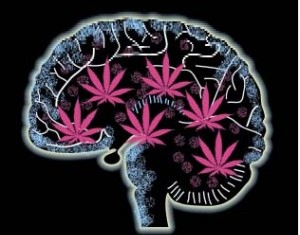
Stoners aren’t known for their memory prowess but a new review suggests that drugs similar to marijuana’s active ingredients may hold promise for preventing— or even reversing— brain aging and possibly Alzheimer‘s and other degenerative brain diseases.
Since the mid 2000′s researchers have been building an appreciation for the power of marijuana-like substances that make up the brain’s cannabinoid systems. In animal experiments, for example, synthetic compounds similar to THC—marijuana’s main psychoactive component—have shown promise in preserving brain functions. A 2008 study even demonstrated that a THC-like substance reduced brain inflammation and improved memory in older rats.
The latest review, published in Philosophical Transactions of the Royal Society B, suggests that activating the brain’s cannabinoid system may trigger a sort of anti-oxidant cleanse, removing damaged cells and improving the efficiency of the mitochrondria, the energy source that powers cells, ultimately leading to a more robustly functioning brain.
Previous studies have linked cannabinoids to increased amounts of brain-derived neurotrophic factor (BDNF), a substance that protects brain cells and promotes the growth of new ones. Since new cell growth slows or stops during aging, increasing BDNF could potentially slow the decline in cognitive functions.
Activation of cannabinoid receptors can also reduce brain inflammation in several different ways, which may in turn suppress some of the disease processes responsible for degenerative brain diseases such as Alzheimer’s.
Andras Bilkei-Gorzo of the Institute of Molecular Psychiatry at the University of Bonn in Germany and an author of the study, is encouraged by the expanding knowledge of the brain’s cannabinoid system and its potential for leading to new understanding of aging in the brain. “[C]annabinoid system activity is neuroprotective,” he wrote, and increasing it “could be a promising strategy for slowing down the progression of brain aging and for alleviating the symptoms of neurodegenerative disorders.”
Still, Gary Wenk, professor of neuroscience, immunology and medical genetics at Ohio State University, who conducted some of the research Bilkei-Gorzo included in the review, is aware of the delicate nature of cannabinoid research, given the controversial nature of medical marijuana issues. “The literature is a mess and he’s done a nice job organizing it,” he says. “He was positive about developing cannabinoid drugs without going overboard.”
Other studies covered in the review showed that mice bred to lack the cannabinoid receptors have better memories early in life but have more rapid cognitive decline as they age, including inflammation in the hippocampus, a key region for memory. “This finding suggests that, at some point during aging, cannabinoid activity helps maintain normal cognitive functions in mice,” says Daniele Piomelli, professor of neurobiology, anatomy and biological chemistry at the University of California – Irvine, who was not associated with the study.
Piomelli cautions that the review doesn’t support the idea of using marijuana to improve brain aging among the elderly, not least because of its psychoactive effects. “This is definitely an important area of investigation but we are still far from a consensus,” he says.
Moreover, some of the research covered in the review had conflicting results. Although three clinical trials studied cannabinoids for the treatment of Parkinson’s Disease, these studies “did not provide a clear answer whether cannabinoids modify the progression or the outcome of the disease,” wrote Bilkei-Gorzo. He found similar results for Huntington’s Disease, which, like Parkinson’s, is a progressive, degenerative brain disorder. And for the most common form of dementia, “Despite the promising preclinical results, the detailed clinical evaluation of cannabinoids in [Alzheimer’s] patients is missing,” he said in the paper.
The social and political challenges to conducting such research, however, mean that it may be a while before we see such scientific gaps filled. Scientists have yet to conduct, for example, a solid study in which they follow marijuana smokers to see if they are more or less likely to develop Alzheimer’s— or to compare the cognitive decline of marijuana smokers to those who do not smoke. Doing so is too controversial to attract funding.
“In my experience, working in this area is like touching the third rail,” says Wenk, “I get hate and love mails that are bizarre and phone messages from people too high to talk. Some of my colleagues have left the area after seeing their names in the National Enquirer… I do not blame a war on marijuana but rather the public’s prejudice and extreme bias. I’ve now discontinued my research on this system.”
He and others in the field are not completely pessimistic, however. He says, “I’ve been trying to find a drug that will reduce brain inflammation and restore cognitive function in rats for over 25 years; cannabinoids are the first and only class of drugs that have ever been effective. I think that the perception about this drug is changing and in the future people will be less fearful.”
Given that Alzheimer’s already affects one in eight people over 65— and nearly half of those over 85—and there have been few successes at treating or preventing it so far, that would certainly be a welcome change.
(MORE: Outlawing ‘Legal Highs:’ Can Emergency Bans Hinder Drug Development?)
Oct 30, 2012 | Nature Body Mind

Everything we do is for the purpose of altering consciousness. We form friendships so that we can feel certain emotions, like love, and avoid others, like loneliness. We eat specific foods to enjoy their fleeting presence on our tongues. We read for the pleasure of thinking another person’s thoughts. Every waking moment—and even in our dreams—we struggle to direct the flow of sensation, emotion, and cognition toward states of consciousness that we value.
Drugs are another means toward this end. Some are illegal; some are stigmatized; some are dangerous—though, perversely, these sets only partially intersect. There are drugs of extraordinary power and utility, like psilocybin (the active compound in “magic mushrooms”) and lysergic acid diethylamide (LSD), which pose no apparent risk of addiction and are physically well-tolerated, and yet one can still be sent to prison for their use—while drugs like tobacco and alcohol, which have ruined countless lives, are enjoyed ad libitum in almost every society on earth. There are other points on this continuum—3,4-methylene-dioxy-N-methylamphetamine (MDMA or “Ecstasy”) has remarkable therapeutic potential, but it is also susceptible to abuse, and it appears to be neurotoxic.[1]
One of the great responsibilities we have as a society is to educate ourselves, along with the next generation, about which substances are worth ingesting, and for what purpose, and which are not. The problem, however, is that we refer to all biologically active compounds by a single term—“drugs”—and this makes it nearly impossible to have an intelligent discussion about the psychological, medical, ethical, and legal issues surrounding their use. The poverty of our language has been only slightly eased by the introduction of terms like “psychedelics” to differentiate certain visionary compounds, which can produce extraordinary states of ecstasy and insight, from “narcotics” and other classic agents of stupefaction and abuse.
Drug abuse and addiction are real problems, of course—the remedy for which is education and medical treatment, not incarceration. In fact, the worst drugs of abuse in the United States now appear to be prescription painkillers, like oxycodone. Should these medicines be made illegal? Of course not. People need to be informed about them, and addicts need treatment. And all drugs—including alcohol, cigarettes, and aspirin—must be kept out of the hands of children.
I discuss issues of drug policy in some detail in my first book, The End of Faith (pp. 158-164), and my thinking on the subject has not changed. The “war on drugs” has been well lost, and should never have been waged. While it isn’t explicitly protected by the U.S. Constitution, I can think of no political right more fundamental than the right to peacefully steward the contents of one’s own consciousness. The fact that we pointlessly ruin the lives of nonviolent drug users by incarcerating them, at enormous expense, constitutes one of the great moral failures of our time. (And the fact that we make room for them in our prisons by paroling murderers and rapists makes one wonder whether civilization isn’t simply doomed.)
I have a daughter who will one day take drugs. Of course, I will do everything in my power to see that she chooses her drugs wisely, but a life without drugs is neither foreseeable, nor, I think, desirable. Someday, I hope she enjoys a morning cup of tea or coffee as much as I do. If my daughter drinks alcohol as an adult, as she probably will, I will encourage her to do it safely. If she chooses to smoke marijuana, I will urge moderation.[2] Tobacco should be shunned, of course, and I will do everything within the bounds of decent parenting to steer her away from it. Needless to say, if I knew my daughter would eventually develop a fondness for methamphetamine or crack cocaine, I might never sleep again. But if she does not try a psychedelic like psilocybin or LSD at least once in her adult life, I will worry that she may have missed one of the most important rites of passage a human being can experience.
This is not to say that everyone should take psychedelics. As I will make clear below, these drugs pose certain dangers. Undoubtedly, there are people who cannot afford to give the anchor of sanity even the slightest tug. It has been many years since I have taken psychedelics, in fact, and my abstinence is born of a healthy respect for the risks involved. However, there was a period in my early 20’s when I found drugs like psilocybin and LSD to be indispensable tools of insight, and some of the most important hours of my life were spent under their influence. I think it quite possible that I might never have discovered that there was an inner landscape of mind worth exploring without having first pressed this pharmacological advantage.
While human beings have ingested plant-based psychedelics for millennia, scientific research on these compounds did not begin until the 1950’s. By 1965, a thousand studies had been published, primarily on psilocybin and LSD, many of which attested to the usefulness of psychedelics in the treatment of clinical depression, obsessive compulsive disorder (OCD), alcohol addiction, and the pain and anxiety associated with terminal cancer. Within a few years, however, this entire field of research was abolished in an effort to stem the spread of these drugs among the general public. After a hiatus that lasted an entire generation, scientific research on the pharmacology and therapeutic value of psychedelics has quietly resumed.
The psychedelics include chemicals like psilocybin, LSD, DMT, and mescaline—all of which powerfully alter cognition, perception, and mood. Most seem to exert their influence through the serotonin system in the brain, primarily by binding to 5-HT2A receptors (though several have affinity for other receptors as well), leading to increased neuronal activity in prefrontal cortex (PFC). While the PFC in turn modulates subcortical dopamine production, the effect of psychedelics appears to take place largely outside dopamine pathways (which might explain why these drugs are not habit forming).
The mere existence of psychedelics would seem to establish the material basis of mental and spiritual life beyond any doubt—for the introduction of these substances into the brain is the obvious cause of any numinous apocalypse that follows. It is possible, however, if not actually plausible, to seize this datum from the other end and argue, and Aldous Huxley did in his classic essay, The Doors of Perception, that the primary function of the brain could be eliminative: its purpose could be to prevent some vast, transpersonal dimension of mind from flooding consciousness, thereby allowing apes like ourselves to make their way in the world without being dazzled at every step by visionary phenomena irrelevant to their survival. Huxley thought that if the brain were a kind of “reducing valve” for “Mind at Large,” this would explain the efficacy of psychedelics: They could simply be a material means of opening the tap.
Unfortunately, Huxley was operating under the erroneous assumption that psychedelics decrease brain activity. However, modern techniques of neuroimaging have shown that these drugs tend to increase activity in many regions of the cortex (and in subcortical structures as well) [Note 1/24/12: a recent study on psilocybin actually lends some support to Huxley’s view.—SH] . Still, the action of these drugs does not rule out dualism, or the existence of realms of mind beyond the brain—but then nothing does. This is one of the problems with views of this kind: They appear to be unfalsifiable.[3]
Of course, the brain does filter an extraordinary amount of information from consciousness. And, like many who have taken these drugs, I can attest that psychedelics certainly throw open the gates. Needless to say, positing the existence of a “Mind at Large” is more tempting in some states of consciousness than in others. And the question of which view of reality we should privilege is, at times, worth considering. But these drugs can also produce mental states that are best viewed in clinical terms as forms of psychosis. As a general matter, I believe we should be very slow to make conclusions about the nature of the cosmos based upon inner experience — no matter how profound these experiences seem.
However, there is no question that the mind is vaster and more fluid than our ordinary, waking consciousness suggests. Consequently, it is impossible to communicate the profundity (or seeming profundity) of psychedelic states to those who have never had such experiences themselves. It is, in fact, difficult to remind oneself of the power of these states once they have passed.
Many people wonder about the difference between meditation (and other contemplative practices) and psychedelics. Are these drugs a form of cheating, or are they the one, indispensable vehicle for authentic awakening? They are neither. Many people don’t realize that all psychoactive drugs modulate the existing neurochemistry of the brain—either by mimicking specific neurotransmitters or by causing the neurotransmitters themselves to be more active. There is nothing that one can experience on a drug that is not, at some level, an expression of the brain’s potential. Hence, whatever one has experienced after ingesting a drug like LSD is likely to have been experienced, by someone, somewhere, without it.
However, it cannot be denied that psychedelics are a uniquely potent means of altering consciousness. If a person learns to meditate, pray, chant, do yoga, etc., there is no guarantee that anything will happen. Depending on his aptitude, interest, etc., boredom could be the only reward for his efforts. If, however, a person ingests 100 micrograms of LSD, what will happen next will depend on a variety of factors, but there is absolutely no question that something will happen. And boredom is simply not in the cards. Within the hour, the significance of his existence will bear down upon our hero like an avalanche. As Terence McKenna[4] never tired of pointing out, this guarantee of profound effect, for better or worse, is what separates psychedelics from every other method of spiritual inquiry. It is, however, a difference that brings with it certain liabilities.
Ingesting a powerful dose of a psychedelic drug is like strapping oneself to a rocket without a guidance system. One might wind up somewhere worth going—and, depending on the compound and one’s “set and setting,” certain trajectories are more likely than others. But however methodically one prepares for the voyage, one can still be hurled into states of mind so painful and confusing as to be indistinguishable from psychosis. Hence, the terms “psychotomimetic” and “psychotogenic” that are occasionally applied to these drugs.
I have visited both extremes on the psychedelic continuum. The positive experiences were more sublime than I could have ever imagined or than I can now faithfully recall. These chemicals disclose layers of beauty that art is powerless to capture and for which the beauty of Nature herself is a mere simulacrum. It is one thing to be awestruck by the sight of a giant redwood and to be amazed at the details of its history and underlying biology. It is quite another to spend an apparent eternity in egoless communion with it. Positive psychedelic experiences often reveal how wondrously at ease in the universe a human being can be—and for most of us, normal waking consciousness does not offer so much as a glimmer of these deeper possibilities.
People generally come away from such experiences with a sense that our conventional states of consciousness obscure and truncate insights and emotions that are sacred. If the patriarchs and matriarchs of the world’s religions experienced such states of mind, many of their claims about the nature of reality can make subjective sense. The beautific vision does not tell you anything about the birth of the cosmos—but it does reveal how utterly transfigured a mind can be by a full collision with the present moment.
But as the peaks are high, the valleys are deep. My “bad trips” were, without question, the most harrowing hours I have ever suffered—and they make the notion of hell, as a metaphor if not a destination, seem perfectly apt. If nothing else, these excruciating experiences can become a source of compassion. I think it would be impossible to have any sense of what it is like to suffer from mental illness without having briefly touched its shores.
At both ends of the continuum time dilates in ways that cannot be described—apart from saying that these experiences can seem eternal. I have had sessions, both positive and negative, in which any knowledge that I had ingested a drug had been extinguished, and all memories of my past along with it. Full immersion in the present moment, to this degree, is synonymous with the feeling that one has always been, and will always be, in precisely this condition. Depending on the character of one’s experience at that point, notions of salvation and damnation do not seem hyperbolic. In my experience, Blake’s line about beholding “eternity in an hour” neither promises, nor threatens, too much.
In the beginning, my experiences with psilocybin and LSD were so positive that I could not believe a bad trip was possible. Notions of “set and setting,” admittedly vague, seemed sufficient to account for this. My mental set was exactly as it needed to be—I was a spiritually serious investigator of my own mind—and my setting was generally one of either natural beauty or secure solitude.
I cannot account for why my adventures with psychedelics were uniformly pleasant until they weren’t—but when the doors to hell finally opened, they appear to have been left permanently ajar. Thereafter, whether or not a trip was good in the aggregate, it generally entailed some harrowing detour on the path to sublimity. Have you ever traveled, beyond all mere metaphors, to the Mountain of Shame and stayed for a thousand years? I do not recommend it.

(Pokhara, Nepal)
On my first trip to Nepal, I took a rowboat out on Phewa Lake in Pokhara, which offers a stunning view of the Annapurna range. It was early morning, and I was alone. As the sun rose over the water, I ingested 400 micrograms of LSD. I was 20 years old and had taken the drug at least ten times previously. What could go wrong?
Everything, as it turns out. Well, not everything—I didn’t drown. And I have a vague memory of drifting ashore and of being surrounded by a group of Nepali soldiers. After watching me for a while, as I ogled them over the gunwale like a lunatic, they seemed on the verge of deciding what to do with me. Some polite words of Esperanto, and a few, mad oar strokes, and I was off shore and into oblivion. So I suppose that could have ended differently.
But soon there was no lake or mountains or boat—and if I had fallen into the water I am pretty sure there would have been no one to swim. For the next several hours my mind became the perfect instrument of self-torture. All that remained was a continuous shattering and terror for which I have no words.
These encounters take something out of you. Even if drugs like LSD are biologically safe, the potential for extremely unpleasant and destabilizing experiences presents its own risks. I believe I was positively affected for weeks and months by my good trips, and negatively affected by the bad ones. Given these roulette-like odds, one can only recommend these experiences with caution.
While meditation can open the mind to a similar range of conscious states, they are reached far less haphazardly. If LSD is like being strapped to rocket, learning to meditate is like gently raising a sail. Yes, it is possible, even with guidance, to wind up someplace terrifying—and there are people who probably shouldn’t spend long periods in intensive practice. But the general effect of meditation training is of settling ever more fully into one’s own skin, and suffering less, rather than more there.
As I discussed in The End of Faith, I view most psychedelic experiences as potentially misleading. Psychedelics do not guarantee wisdom. They merely guarantee more content. And visionary experiences, considered in their totality, appear to me to be ethically neutral. Therefore, it seems that psychedelic ecstasy must be steered toward our personal and collective well-being by some other principle. As Daniel Pinchbeck pointed out in his highly entertaining book, Breaking Open the Head, the fact that both the Mayans and the Aztecs used psychedelics, while being enthusiastic practitioners of human sacrifice, makes any idealistic link between plant-based shamanism and an enlightened society seem terribly naive.
As I will discuss in future essays, the form of transcendence that appears to link directly to ethical behavior and human well-being is the transcendence of egoity in the midst of ordinary waking consciousness. It is by ceasing to cling to the contents of consciousness—to our thoughts, moods, desires, etc.—that we make progress. Such a project does not, in principle, require that we experience more contents.[5] The freedom from self that is both the goal and foundation of “spiritual” life is coincident with normal perception and cognition—though, admittedly, this can be difficult to realize.
The power of psychedelics, however, is that they often reveal, in the span of a few hours, depths of awe and understanding that can otherwise elude us for a lifetime. As is often the case, William James said it about as well as words permit[6] :
One conclusion was forced upon my mind at that time, and my impression of its truth has ever since remained unshaken. It is that our normal waking consciousness, rational consciousness as we call it, is but one special type of consciousness, whilst all about it, parted from it by the filmiest of screens, there lie potential forms of consciousness entirely different. We may go through life without suspecting their existence; but apply the requisite stimulus, and at a touch they are there in all their completeness, definite types of mentality which probably somewhere have their field of application and adaptation. No account of the universe in its totality can be final which leaves these other forms of consciousness quite disregarded. How to regard them is the question,—for they are so discontinuous with ordinary consciousness. Yet they may determine attitudes though they cannot furnish formulas, and open a region though they fail to give a map. At any rate, they forbid a premature closing of our accounts with reality.
(The Varieties of Religious Experience, p. 388)
NOTES:
Recommended Reading:
Huxley, A. The Doors of Perception and Heaven and Hell
.
McKenna, T. Food of the Gods: The Search for the Original Tree of Knowledge A Radical History of Plants, Drugs, and Human Evolution
.
McKenna, T. The Archaic Revival: Speculations on Psychedelic Mushrooms, the Amazon, Virtual Reality, UFOs, Evolution, Shamanism, the Rebirth of the Goddess, and the End of History
.
McKenna, T. True Hallucinations: Being an Account of the Author’s Extraordinary Adventures in the Devil’s Paradise
.
Pinchbeck, D. Breaking Open the Head: A Psychedelic Journey into the Heart of Contemporary Shamanism
.
Stevens, J. Storming Heaven: LSD and the American Dream
.
Ratsch, C. The Encyclopedia of Psychoactive Plants: Ethnopharmacology and Its Applications
.
Ott, J. Pharmacotheon: Entheogenic Drugs, Their Plant Sources and History
.
Strassman, R. DMT: The Spirit Molecule: A Doctor’s Revolutionary Research into the Biology of Near-Death and Mystical Experiences
.
Related article: What’s the Point of Transcendence?
via SamHarris.org
Jul 11, 2012 | Events & Assassinations
On 28 November 1953, at 2 am, a man crashed through a closed window and fell to his death from the 10th floor of the Statler Hotel in New York City. He was identified as Frank Olson, a bacteriologist with the US Army Research Center at Fort Detrick, Maryland. He had fallen from a room he shared with another scientist, Robert Lashbrook. It was ruled a suicide.
Twenty-two years later, in 1975, William Colby, then CIA director, declassified documents that changed the complexion of the case. It was revealed that Olson had actually been an undercover CIA operative at Fort Detrick, and that one week prior to his death, he had been drinking Cointreau at a high-level meeting with scientists at Deep Creek Lodge in rural Maryland. The Cointreau was laced with a large dose of LSD administered by his CIA boss, Sidney Gottlieb. He was then sent to New York with Lashbrook, also with the CIA, to see a psychiatrist because the LSD had induced a psychosis.
It was also revealed that Olson had been part of the top secret CIA program that was known as Project MK-ULTRA, exploring the use of chemicals and drugs for purposes of mind control, and bacteriological agents for covert assassination. Olson had been working on ways to deliver anthrax in aerosol form, for use as a weapon. New evidence that came to light, through the persistent efforts of Olson’s son Eric, made the suicide ruling highly suspect.
It turned out that Olson had been labelled a security risk by British intelligence after getting upset witnessing human experimentation on a trip to Frankfurt, Germany the previous summer. Eric Olson now believes that his father was drugged and then murdered to make sure that he didn’t reveal the secrets of the MK-ULTRA project. Following the 1975 revelations, the government must have felt more than a little guilt about the affair because Olson’s family was given a 17 minute audience with US President Ford, who apologised to them, and they were awarded damages in the amount of $750,000.
Controlling Human Behaviour
The MK-ULTRA program was instituted on 13 April 1953 by CIA Director Allen Dulles, ostensibly to counter the brainwashing techniques of American prisoners being held by the North Koreans during the Korean War, and to duplicate those techniques on enemy prisoners, i.e. the creation of “Manchurian Candidates.” This was the claim used to obtain funding for the project. However, the Prisoner of War brainwashing program was just the tip of the iceberg, and the CIA-sponsored experiments ventured far and wide into areas of Mind Control under the aegis of MK-ULTRA that had little or nothing to do with methods of interrogation.
The Colby revelations were part of a sweeping investigation of the CIA in January 1975 by the “Commission on CIA Activities Within the United States,” chaired by Vice-President Nelson Rockefeller. The subsequent June 1975 Report to the President said: “The drug program was part of a much larger CIA program to study possible means for controlling human behaviour. Other studies explored the effects of radiation, electric-shock, psychology, psychiatry, sociology and harassment substances.
Even though the program got off to a rocky start with the Olson affair, it recovered quickly and became an umbrella project with 149 sub-projects. The overall guiding principal was succinctly stated in an internal CIA memo dated January 1952: “Can we get control of an individual to the point where he will do our bidding against his will and even against fundamental laws of nature such as self-preservation?”
The drug program came under the aegis of the Chemical Division of the Technical Services Staff headed up by Sidney Gottlieb from 1951 to 1956. Gottlieb was a highly intelligent eccentric who drank goat’s milk, enjoyed folk-dancing, and raised Christmas trees on his farm outside Washington.
The Agency funded LSD research programs at major medical centres and universities including Boston Psychopathic, Mt. Sinai Hospital at Columbia University, University of Illinois Medical School, University of Oklahoma and others. The funding was carried out secretly through the Josiah Macy Foundation, and the Geschickter Fund for Medical Research in Washington, D.C. The CIA claimed the secrecy was necessary to keep it from the Russians, but we have already seen that it was part of much larger project to learn how to control human behaviour in general, so this is not credible.
Gottlieb told Dr. Harold Abramson at Mt. Sinai (who just happened to be the psychiatrist that Olson was supposed to see!) that he wanted “operationally pertinent materials [about]: a. Disturbance of Memory; b. Discrediting by Aberrant Behaviour; c. Alteration of Sex Patterns; d. Eliciting of Information; e. Suggestibility; f. Creation of Dependence.” That sounds like pretty deep stuff for the spy game. They were really afraid of public reaction and congressional condemnation, especially since the CIA charter did not allow domestic operations, and certainly prohibited experimentation on US citizens.
The callousness of the research is best exemplified by the CIA-funded work of Dr. Harris Isbell, the Director of the Addiction Research Center in Lexington, Kentucky. The drug addict hospital inmates, who were mostly black, were encouraged to volunteer for LSD research in return for hard drugs of their choice or time off their sentences. In most cases, they were given pure morphine or heroin. At one point Isbell kept seven men on LSD for 77 straight days. Many others were on it for up to 42 days.
Concerning extended LSD usage, John Marks in his landmark book The Search for the Manchurian Candidate: The CIA and Mind Control says about writer Hunter S. Thompson (recently deceased) that he “frightened his readers with accounts of drug (LSD) binges lasting a few days, during which Thompson felt his brain boiling away in the sun, his nerves wrapping around enormous barbed wire forts, and his remaining faculties reduced to their reptilian antecedents.” The recent movie The Rum Diary, starring Johnny Depp, based on the autobiographical book by Hunter S. Thompson, presents an imaginative re-enactment of his LSD adventures.
The CIA Turns On the Counter-Culture
Not satisfied with university research, Gottlieb recruited New York narcotics agent George White to distribute LSD surreptitiously to the “borderline underworld.” Operating through safe houses in Greenwich Village, Haight-Ashbury and Marin County, White gave doses to prostitutes, pimps, drug addicts and other “marginal people” and then observed the results and reported to Gottlieb.
John Marks says they were people “who would be powerless to seek any sort of revenge if they ever found out what the CIA had done to them. In addition to their being unlikely whistle-blowers, such people lived in a world where an unwitting dose of some drug… was an occupational hazard anyway.”
Eventually, White started using it randomly all over New York and San Francisco. Regarding the results, Marks says, “The MKULTRA scientists reaped little but disaster, mischief, and disappointment from their efforts to use LSD as a miracle weapon against the minds of their opponents.” Yet, they continued this program for 10 years until 1963.
Ironically, since the CIA had pretty much cornered the market on LSD internationally, buying up all the product of Sandoz and Eli Lilly, the spread of the drug to the counter-culture was through the Agency. Timothy Leary, Ken Kesey, Allen Ginsburg and Tom Wolfe were first “turned on” thanks to the CIA, and that’s how the “flower children” became psychedelic.
But, the LSD experiments may have been more successful than Marks realised. They were carefully noting the precise effects on brain chemistry, and in the six areas that Gottlieb was concerned with: memory disturbance, aberrant behaviour, altered sexual patterns, eliciting information, suggestibility and creation of dependence. This became evident when they started using LSD as an adjunct in hypnotic and electronic experiments.
Re-Patterning the Brain
Perhaps the most notorious and nefarious MK-ULTRA sub-project was carried out at the Allan Memorial Institute in Montreal, Canada under the directorship of Dr. Donald Ewen Cameron, an American from Albany, New York. Cameron had trained at the Royal Mental Hospital in Glasgow, Scotland, under eugenicist Sir David Henderson, and founded the Canadian branch of the World Federation for Mental Health. At various times, he was elected president of the Canadian, American, and World psychiatric associations. In other words, Cameron was no renegade but had the full faith and endorsement of the world psychiatric establishment.
The CIA wanted Cameron to “depattern” the contents of the brain to make it receptive to new patterning. David Remnick in a Washington Post article on 28 July 1985 said, “The…. heart of the laboratory was the Grid Room…. The subject was strapped into a chair involuntarily, by force, his head bristling with electrodes and transducers. Any resistance was met with a paralysing dose of curare. The subject’s brainwaves were beamed to a nearby reception room crammed with voice analysers, a wire recorder and radio receivers cobbled together… The systematic annihilation or ‘depatterning’ of a subject’s mind and memory was accomplished with overdoses of LSD, barbiturate sleep for 65 days at a stretch and ECT shocks at 75 times the recommended dosage. Psychic driving, the repetition of a recorded message for 16 hours a day, programmed the empty mind. Fragile patients referred to Allan Memorial for help were thus turned into carbuncular jellyfish.”
Anton Chaitkin in his essay, ‘British Psychiatry: From Eugenics to Assassination’, says: “Patients lost all or part of their memories, and some lost the ability to control their bodily functions and to speak. At least one patient was reduced almost to a vegetable; then Cameron had the cognitive centres of her brain surgically cut apart, while keeping her alive. Some subjects were deposited permanently in institutions for the hopelessly insane.”
The CIA funded these horrors through a front called “The Society for the Investigation of Human Ecology.” Other supporters of the Allan Institute were the Rockefeller Foundation, the Geschickter Foundation, and the Canadian government.
About Cameron’s work, Wikipedia says: “Naomi Klein states, in her book The Shock Doctrine, that Cameron’s research and his contribution to the MKUltra project was actually not about mind control and brainwashing, but ‘to design a scientifically based system for extracting information from “resistant sources.” In other words, torture’. And citing a book from Alfred W. McCoy it further says that ‘Stripped of its bizarre excesses, Cameron’s experiments, building upon Donald O. Hebb’s earlier breakthrough, laid the scientific foundation for the CIA’s two-stage psychological torture method’.” This method was codified in the infamous “KUBARK Counterintelligence Interrogation Manual” published by the CIA in July 1963, and in the Human Resources Exploitation Training Manual – 1983 that was used in CIA training courses in Latin American countries up until 1987. These manuals describe methods of psychological torture, far more potent than physical torture, to elicit information from “resistant sources.”
An Orwellian Nightmare
As one would expect, the technologies now available to the mind-controllers have zoomed off the chart to the point where George Orwell’s world of omni-surveillance now seems almost quaint. Of course, it is true that 1984 was 28 years ago. But even as far back as 1970, US congressman James Scheur was able to say, “As a result of spinoffs from medical, military aerospace and industrial research, we are now in the process of developing devices and products capable of controlling violent mobs without injury. We can tranquillise, impede, immobilise, harass, shock, upset, stupefy, nauseate, chill, temporarily blind, deafen or just plain scare the wits out of anyone the police have a proper need to control and restrain.”
A brief survey of some of the scariest products known to be in the arsenal of the secretive alphabet agencies arrayed against John Q. Public are such devices as the Neurophone, patented by Dr. Patrick Flanagan in 1968. It converts sound to electrical impulses which can be delivered from satellites. When aimed at individuals, the impulses travel directly to the brain where the sounds are re-assembled and appear to be voices inside the head, which can be perceived as coming from God, or telepathic aliens, or whatever. Or the sounds can come out of a turned-off TV or radio. Through software, the device can mimic anyone’s voice and translate into any language.
It is believed that the CIA, DIA, NSA et al use the Neurophone to deliver threats and propaganda to selected targets, or just to torment someone they don’t like. One can imagine the possibilities. Could this explain some of the killings by “psychopaths” who say they were instructed by God, such as Mark David Chapman, David Berkowitz, or Sirhan Sirhan? If they had been previously evaluated through sophisticated personality assessments and groomed by LSD or hypnosis, such voices could easily tip the balance and convince them to kill.
We’ve all heard about the “Thought Police” and laughed because it seemed so implausible. Well, the joke is on us. Brain scanning technology is now well-advanced. In 1974, Lawrence Pinneo, a neurophysiologist and electronic engineer with the Stanford Research Institute succeeded in correlating brain wave patterns from EEGs with specific words. In 1994, the brain wave patterns of 40 subjects were officially correlated with both spoken words and silent thought at the University of Missouri. It is believed that US intelligence agencies now have a brain wave vocabulary of over 60,000 words in most common languages.
Brain waves constitute a magnetic field around the head (the aura), each person having a unique, identifiable electromagnetic signature which becomes visible through Kirlian photography, and these fields can be monitored by satellites. The translated results are then fed back to ground-side super computers at speeds of up to 20 gigabytes/second. Neurophone messages can then be beamed to selected individuals based on their thoughts. It is believed that about one million people around the globe are now monitored on a regular basis. As these numbers increase, as they certainly will, to include most educated and important people in the world, the New World Order will definitely have arrived.
As Australian writer Paul Baird has observed, “no-one will ever be able to even think about expressing an opinion contrary to those forced on us by the New World Order. There will literally be no intellectual property that cannot be stolen, no writing that cannot be censored, no thought that cannot be suppressed (by the most oppressive/invasive means).” Baird also claims that ex-military/intelligence whistle-blowers have reported that experiments in controlling voters with these techniques have been tried in several foreign countries. So much for democracy.
Other technologies, such as microwave bombardment to confuse and disorient field personnel, microchip implantation, silently delivered acoustical subliminal messages, widespread population control through psychiatric drugs, and extreme close-up satellite-based viewing able to read documents indoors, are all well-developed and in use by military and intelligence agencies. This doesn’t even address the monitoring of overt spoken and written material. Under Project ECHELON, the NSA monitors every call, fax, e-mail and computer data message in and out of the US, Canada and several other countries. Their computers then search for key words and phrases. Anything or anyone of interest draws the attention of agency operatives, who can then commence surveillance operations by the NSA or other intelligence agencies.
Novel Capabilities
We conclude with a chilling vision of the future from the US Air Force Scientific Advisory Board. It is from New World Vistas of Air and Space Power for the 21st Century.
“Prior to the mid-21st century, there will be a virtual explosion of knowledge in the field of neuroscience. We will have achieved a clear understanding of how the human brain works, how it really controls the various functions of the body, and how it can be manipulated (both positively and negatively). One can envision the development of electromagnetic energy sources, the output of which can be pulsed, shaped, and focused, that can couple with the human body in a fashion that will allow one to prevent voluntary muscular movements, control emotions (and thus actions), produce sleep, transmit suggestions, interfere with both short-term and long-term memory, produce an experience set, and delete an experience set. This will open the door for the development of some novel capabilities that can be used in armed conflict, in terrorist/hostage situations, and in training…”
And based on the past clandestine abuses of MK-ULTRA reviewed above, one can predict with relative certainty that these capabilities will be used on civilians, with or without their knowledge or acquiescence.
The above article appears in New Dawn Special Issue Vol 6 No 3
http://www.newdawnmagazine.com/special-issues/new-dawn-special-issue-vol-6-no-3
May 21, 2012 | Globalist Corporations, Video
http://www.youtube.com/watch?v=UDlH9sV0lHU
This video provides the facts about psychotropic drugs and the huge profits they create for the pharmaceutical industry. These drugs are not safe and have not been on the market long enough to provide sufficient long term studies regarding their effects. These drugs do cause addiction, however most “doctors” would call this dependence because you do not have to take an increasing dose over time. They are completely fine with you being addicted to the same amount of any given drug on a daily basis. Over half of the people that commit suicide in the United States are prescribed to psychotropic drugs. (Ex: Paxil (Paroxetine), Zoloft (Sertraline), Prozac, Wellbutrin (Bupropion), Effexor, Seroquil, Ultram (Tramadol), etc.)
Sep 12, 2011 | Black Technology, WAR: By Design

Its safe to say that more than 60% of this trafficking is Elite Sponsored.
DynCorp (children & women), CIA (Opium/Heroin) & Clinton Bush & Co (Cocaine) are just a few of the ones we know about.
C’mon, how else do you think they could pay for those Deep Underground Military Bases?