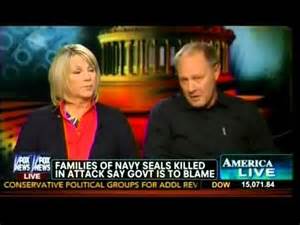
In 2013, families of Navy SEAL Team 6 members killed in a 2011 helicopter crash in Afghanistan succeeded in pressuring Congress to launch an official investigation into the incident. The crash, which killed 30 Americans on August 6, 2011, represented the single largest loss of life for the U.S. military during the entire Afghan war. Twenty-two of the victims belonged to the same unit involved in the operation that killed Osama bin Laden just three months earlier.
The Crash and Its Immediate Questions
The CH-47 Chinook helicopter was shot down by insurgents during a combat operation in eastern Afghanistan. U.S. military officials maintained that none of the specific individuals who participated directly in the bin Laden mission were aboard the downed aircraft, though some sources claimed at least two SEALs on the helicopter had been involved in that earlier raid. The proximity in time between the bin Laden operation and the shootdown fueled speculation among family members that public disclosure surrounding the raid had made SEAL Team 6 personnel targets for retaliatory attacks.
Unanswered Questions From the Families
Family members raised a series of specific concerns about the circumstances of the mission. They questioned why the helicopter lacked aerial surveillance during its flight, with Charlie Strange, father of one of the deceased SEALs, asking why there was no overhead tracking of the Chinook. They noted that the team had requested pre-assault fire before insertion but that this request was denied by ground-level military officials. They also raised concerns that the SEAL team had been sent into the operation without the specialized aviation support normally provided for special operations missions.
The Afghan Personnel Swap
One of the most scrutinized details involved the Afghan commandos who were supposed to accompany the SEAL team on the mission. Pentagon documents confirmed that seven Afghan soldiers listed on the original passenger manifest were replaced by different Afghan military personnel immediately before takeoff. Defense officials acknowledged that the names on the final passenger list did not match those who actually boarded the helicopter. Family members argued that inadequate vetting of Afghan forces may have allowed classified mission details to reach the Taliban, potentially facilitating the shootdown. Some family members quoted their sons as having expressed deep distrust of Afghan soldiers, with one describing them as loyal to the highest bidder.
Disputed Evidence and Explanations
Several aspects of the Pentagon’s official account drew challenge from both family members and congressional investigators. The military characterized the shootdown as a lucky shot by a low-level fighter who happened to be in the right position, rather than a deliberate ambush. Families countered that Taliban-affiliated militants had publicly claimed credit for specifically targeting SEAL Team 6 in the immediate aftermath of the attack.
The Pentagon reported that the helicopter’s black box had been lost in a flash flood despite the recovery of all personnel remains from the crash site. Representative Jason Chaffetz, who chaired the House Oversight subcommittee on National Security, described this explanation as unusual. Additionally, while the military stated that all bodies were cremated because they were badly burned, photographic evidence indicated that some of the deceased did not show severe burn injuries.
Congressional Investigation
Representative Chaffetz announced that his subcommittee would conduct a thorough investigation, including sending formal questions to the Pentagon and potentially holding congressional hearings. Larry Klayman of Freedom Watch, representing several of the families, characterized the incident as a significant scandal, raising the central question of whether the American servicemen had been compromised by Afghan government elements as a form of accommodation to the Taliban. A Department of Defense spokesperson maintained that the mission’s planning and execution were consistent with standard operations and that the incident had been thoroughly investigated.