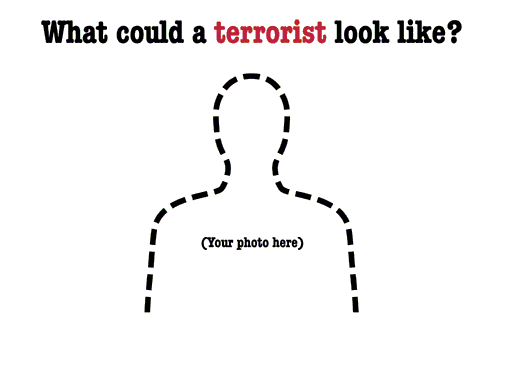
Everyday Actions That Could Flag You as a Suspected Terrorist
Since the September 11 attacks, a staggering number of anti-terrorism statutes have been enacted across the United States. The sheer volume of these laws makes it nearly impossible for ordinary citizens to know which routine activities might land them on a government watch list.
To help illustrate just how broad these designations have become, here is a compilation of behaviors and activities that various federal agencies, law enforcement training materials, and government-funded programs have at one time or another associated with potential terrorism.
Ordinary Behaviors Classified as Suspicious Activity
According to published government guidelines, training manuals distributed to law enforcement, and official Department of Homeland Security materials, the following everyday actions have been flagged as indicators of possible terrorist activity:
- Vocally opposing or criticizing government policies
- Participating in protests or public demonstrations of any kind
- Raising questions about military conflicts or foreign wars
- Objecting to the use of drone strikes against civilian populations abroad
- Inquiring about environmental contamination or pollution — even during official public Congressional hearings
- Using cash to pay for services at an internet cafe
- Questioning the practices of major financial institutions on Wall Street
- Owning physical gold or precious metals
- Developing or using alternative currencies outside the traditional banking system
- Maintaining more than seven days’ worth of food supplies at home — a practice common among Mormon communities who are taught to keep food storage, as well as residents of Hawaii who routinely stock extra provisions
- Displaying bumper stickers with messages such as “Know Your Rights Or Lose Them”
- Documenting or investigating conditions at industrial farming operations
- Engaging in copyright infringement
- Recording photographs or video footage in public spaces
- Initiating conversations with law enforcement officers
- Wearing hooded sweatshirts
- Operating a van
- Jotting notes on a piece of paper
- Lacking a presence on social media platforms (this was flagged by some employers and psychologists as potentially suspicious behavior)
Personal Beliefs That May Trigger Government Suspicion
Beyond actions, simply holding certain viewpoints has been enough to draw scrutiny from federal agencies and law enforcement bodies. Government-funded training documents and official reports have identified the following beliefs as potential warning signs of extremism:
- Placing a high value on online privacy and digital anonymity
- Expressing support for libertarian political candidates or philosophies
- Showing admiration for America’s Founding Fathers and their principles
- Identifying as a devout Christian
- Advocating for lower taxes, reduced government regulation, or a return to the gold standard
- Holding deep reverence for individual liberty and personal freedoms
- Opposing nuclear energy or nuclear weapons programs
- Entertaining or discussing conspiracy theories
- Feeling that one’s personal or national way of life faces external threats
- Advocating for the application of strict religious principles within society
- Bringing religious convictions into political discourse
- Working to integrate faith-based values into the political process
- Supporting regional autonomy movements or political decentralization
- Holding anti-abortion views
- Expressing anti-Catholic sentiments
- Opposing globalization or international governance structures
- Expressing distrust of centralized federal authority
- Displaying strong nationalist sentiments rather than internationalist perspectives
- Believing in the importance of emergency preparedness and survivalism
- Objecting to genetically modified or engineered food products
- Opposing government surveillance programs and mass data collection
Why This Overreach Should Concern Every American
A widespread assumption persists that only genuinely dangerous individuals need to worry about the reach of anti-terrorism legislation. However, the extensive list above demonstrates that this assumption is dangerously misguided.
When the criteria for suspected terrorism encompasses such a wide range of constitutionally protected activities — from peaceful protest and religious expression to food storage and bumper stickers — the implications for civil liberties are profound. These broad and often vague designations effectively cast suspicion on millions of law-abiding Americans who are simply exercising their fundamental rights.
The concern is not merely theoretical. Multiple United States Supreme Court Justices and sitting members of Congress have publicly voiced alarm that the country may be sliding toward authoritarian governance. When officials at the highest levels of government share these worries, it becomes clear that every citizen has reason to pay attention to how the definition of “terrorism suspect” continues to expand.
This article was originally informed by reporting from Washington’s Blog, published in September 2012. It has been substantially rewritten for clarity and originality.