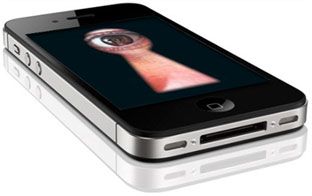
How iOS 6 Tracked User Activity for Advertisers
When Apple released iOS 6, the operating system included several mechanisms that transmitted user activity — including web browsing habits and app download history — to advertising networks. These systems allowed advertisers to serve targeted ads based on individual behavior patterns. While Apple implemented safeguards intended to prevent direct personal identification, the scope of data collection was broader than most iPhone owners realized.
The privacy controls Apple provided were buried deep within the settings hierarchy, often labeled with confusing terminology that obscured their function. Understanding what each setting controlled and where to find it required deliberate effort.
The Advertising Identifier System
With iOS 6, Apple replaced its previous device identification method with a new system called the Advertising Identifier. The old approach had used a permanent device identifier (UDID) that could track a specific phone across different apps and services in ways that raised legitimate privacy concerns. The new Advertising Identifier was designed to be non-permanent and not directly tied to personal identity.
However, the system still enabled advertisers to build behavioral profiles based on device activity. Apple included an opt-out mechanism, but finding it required navigating through Settings, then General, then About, and finally into an Advertising submenu. The toggle was labeled “Limit Ad Tracking” and needed to be switched to the “On” position to reduce tracking — a counterintuitive design choice that likely confused users who expected turning something off to mean selecting “Off.”
Enabling this setting did not eliminate ads but prevented them from being targeted based on user behavior.
Opting Out of Apple’s iAd Targeting
Beyond the general Advertising Identifier, Apple operated its own advertising platform called iAd, which had a separate opt-out process. Users needed to open Safari and navigate to a specific Apple webpage (oo.apple.com) to disable interest-based ad targeting within the iAd system.
A third related setting controlled location-based advertising. Found under Settings, then Privacy, then Location Services, and finally System Settings, this toggle determined whether ads could be targeted based on the user’s physical location. Disabling it prevented advertisers from using GPS and cell tower data to serve geographically relevant promotions.
The Do Not Track Browser Feature
iOS 6’s Safari browser introduced a Do Not Track feature — a signal sent to websites requesting that they not monitor the user’s browsing activity across different sites. The concept addressed a practice known as cross-site tracking, where advertising networks followed users from one website to another, building comprehensive browsing profiles.
To enable Do Not Track, users needed to activate Private Browsing within Safari’s settings. When enabled, Safari sent a Do Not Track header with each web request.
It was worth noting that Do Not Track was a voluntary standard. Websites received the signal but were not legally required to honor it. The feature represented a statement of user preference rather than a technical enforcement mechanism. Its effectiveness depended entirely on whether individual websites and advertising networks chose to comply.
The Broader Privacy Landscape
The privacy controls available in iOS 6 reflected an early stage in the ongoing tension between mobile advertising revenue and user privacy expectations. The settings reduced the most visible forms of behavioral tracking but did not eliminate all data collection. Apple’s decision to make these controls opt-in rather than opt-out — requiring users to actively seek out and enable privacy protections — meant that the vast majority of iPhone users remained subject to the default tracking behavior.
The episode foreshadowed broader industry shifts in mobile privacy that would unfold over subsequent years, as both regulatory pressure and public awareness pushed Apple and other platform makers toward more transparent and user-friendly privacy controls.