Making A Killing With Cancer: A $124.6 Billion Industry

Making A Killing With Cancer: A $124.6 Billion Industry

blood-money-cancer-industryIf you had a business selling something that made you well over a hundred billion dollars per year, would you take steps to eradicate the need for your business? Or would you make every effort for that money continue rolling in?

Take cancer, for example. Don’t let all the media hype about “The Cure” fool you. No one who is in a position to do so wants to end cancer because they are all making a killing on the big business of treatment, while ordinary people go broke, suffer horribly, and die.

There will never be a “cure” brought to market because there just isn’t enough profit in eradicating the disease entirely. There will never be a governing body that protects consumers from being subjected to known carcinogens, because that, too, will stop the cash from rolling in. A great deal of research is covered up and many potential cures are ignored and discredited because there is far more money in perpetuating illness than in curing it. In 2012, the reported spending on cancer treatment was 124.6 billion dollars. Blood money.

The Grim Statistics

Just the word “cancer” sends a frisson of fear down the spine of the most stalwart optimist. Terrifyingly, almost one in two people will get the dreaded disease, and the numbers are only getting worse. Here are some quick stats for background:

  • Nearly half of all Americans will develop cancer in their lifetime. (source) Quick math tells us that is an astonishing 157 million victims.
  • Over half a million people in America died of cancer in 2012. (source)
  • In 2011, cancer was the #1 cause of death in the Western world, and #2 in developing countries. (source)
  • Cancer is the #1 cause of childhood death in the United States. (source)

This is a fairly recent increase. A hundred years ago, the number was far different. At that time, 1 in 33 people was stricken with the disease. And despite billions of dollars being spent to find “the cure”, the World Health Organization predicts that deaths from cancer will DOUBLE by the year 2030.

It’s being normalized. The news is full of photos of babies who are missing an eye, of beautiful bald children who have lost their hair to chemo, and of people who have had to have body parts removed in order to survive a few more years. But cancer is NOT normal. It isn’t something that “just happens.” Researchers know the things that cause cancer. Government protection agencies do, too, but they do nothing to limit these toxins in the marketplace.

Why?

Because, cancer is big business and those who are profiting have great financial interest in seeing the deadly trend continue to increase.

Poisoned for Profit

So what has changed? How did we go from a 3% chance of contracting cancer to a 41% chance?

It’s the advent of Big Pharma, Big Agri and Big Business. They are getting rich off of poisoning Americans through the manufacture of toxic elements that we are exposed to on a daily basis.

Unless you live in a bubble and have no contact with manufactured items, outside air, or the sun, you are exposed to a staggering number of known and suspected carcinogens every day. (Check out THIS LIST to see the known and suspected carcinogens that are readily available in the United States.)

The statistics support that the cumulative build up of all these different toxins in the human body eventually results in cancer in many people.

First, the manufacturers and the “food” producers profit when we buy their poisoned goods.

Then the medical system and pharmaceutical companies profit when we become ill and must fight cancer.

The drugs alone can cost over $100,000 per year, and that is on top of exorbitant costs for radiation, chemotherapy, and physicians’ bills. In the United States, cancer is the #1 most expensive “per person” illness to treat. (source)

Why would those who profit want to prevent cancer when 95.5 BILLION DOLLARS PER YEAR is spent on treating it? There is a vested interest in this increase in illness and the people benefiting from it have no intention of reducing the cases of cancer.

Don’t Count on Obamacare

Don’t look to Obamacare to be the saving grace of cancer victims, either. With this type of government-controlled medicine, budgets will be strictly adhered to and the decisions on how to proceed and what will be paid for will NOT be in the hands of the ill person. Treatments, medications, and funds will be strictly allocated through what many people are referring to as “death panels.”

Furthermore, Obamacare only covers 60% of your medical costs in most cases (after a hefty deductible) and none of your medication is covered. If you don’t have $50,000 or more kicking around for your co-pay, you will be out of luck, despite diligently paying your worthless monthly premiums.

Prevention: Your Only Defense

Avoiding carcinogens as diligently as possible is your best defense against becoming the “1 in 3″, but it isn’t easy. Furthermore, you’ll be considered an “extremist” or a “kook” by those around you who have buried their heads in the sand.

Basically, a spending day in the Western world is a like spending a day running a gauntlet of toxins and carcinogens. Big Pharma, Big Agri and Big Business are getting rich off of poisoning Americans.

There are steps you can take to limit your exposure but be prepared for many people to consider your actions extreme. Very few people are committed enough to their health and the health of their family to do the research required to identify the dangers around them and then go against the current to avoid those perils. (source)

Since most of us don’t live in a bubble, we will be subjected to some of these toxins – they’re impossible to avoid entirely. However, you can limit your exposure by taking the following steps to reduce your exposure to everyday poisons. (This list is expanded from the article, “The Great American Cancer Cluster” with permission from The Daily Sheeple.)

    • Purchase organic foods as often as possible. GMOs and pesticides are proven carcinogens.
    • Load your plate with colorful antioxidants. Opt for organic versions of foods like berries, colorful veggies, dark chocolate, and coffee, to name a few, are loaded with powerful, cancer-fighting antioxidants and will boost your immune system against other types of illness and disease as well.
    • Avoid processed foods. Many of the additives and preservatives featured abundantly in North America are banned in other countries precisely because of the health risks they represent.
    • Select non-toxic cookware. Nonstick cookware contains Teflon and perfluorooctanoic acid (PFOA), which emit at least toxic gases within 5 minutes of heating up that nonstick pan. Once the pans become scratched, toxic particles are leached directly into the food you’re preparing. Aluminum cookware is also potentially toxic. Cast iron, ceramic, glass, and clay are all better cookware options.
    • Don’t smoke.
    • Consume alcohol only in moderation.


  • Limit the use of plastic in your home. BPA or Bisphenol-A are petrochemical plastics that are a major component of many water bottles, lines the inside of canned goods, and makes up the hard material of many reusable food containers, including some brands of baby bottles. They leach cancer causing endocrine disruptors into food, especially if the food is hot. Use glass containers whenever possible.
  • Select personal care products that do not contain petrochemicals. Many cosmetics and other health and beauty aids contain petrochemicals. The danger of this is their byproduct, 1,4-dioxane, a proven carcinogen. The U.S. Environmental Protection Agency classifies dioxane as a probable human carcinogen California state law has classified dioxane to cause cancer. Animal studies in rats suggest that the greatest health risk is associated with inhalation of vapors. Avoid the following ingredients:
  • Paraffin Wax
  • Mineral Oil
  • Toluene
  • Benzene
  • Phenoxyethanol
  • Anything with PEG (polyethylene glycol)
  • Anything ending in ‘eth’ indicates that it required ethylene oxide (a petrochemical) to produce e.g. myreth, oleth, laureth, ceteareth
  • Anything with DEA (diethanolamine) or MEA (ethanolamine)
  • Butanol and any word with ‘butyl’ – butyl alcohol, butylparaben, butylene glycol
  • Ethanol and word with ‘ethyl’ – ethyl alcohol, ethylene glycol, ethylene dichloride, EDTA (ethylene-diamine-tetracetatic acid), ethylhexylglycerin
  • Any word with “propyl” – isopropyl alcohol, propylene glycol, propylalcohol, cocamidopropyl betaine
  • Methanol and any word with ‘methyl’ – methyl alcohol, methylparaben, methylcellulose
  • Parfum or fragrance – 95% of chemicals used in fragrance are from petroleum
  • Opt for natural, biodegradable food grade cleaning products. According to the website Natural Pure Organics, the average household contains up to 25 gallons of toxic materials, most of which are in cleaning products. When you use these cleaners, they linger in the air and on the surfaces, increasing your exposure to carcinogens as you inhale the toxins into your lungs or absorb them through your skin.
  • Avoid artificial sweeteners. Aspartame, for example, is a known carcinogen that breaks down into formaldehyde in the human body.
  • Refuse vaccines. Many vaccines contain formaldehyde and mercury, both of which are known carcinogens. By the age of two, if a child has received all of the recommended vaccines, he or she has received 2,370 times the “allowable safe limit” for mercury (if there is such a thing as a safe level of poison). The HPV vaccine can actually increase the risk of reproductive cancer. The polio vaccine most recently came under fire for its cancer-causing ingredients. (Learn more about the cancer causing ingredients in vaccines HERE.)
  • Avoid tap water. If you have municipal water, drink it at the risk of ingesting loads of toxins. First, there is the willful addition of sodium fluoride, a pesticide which is labeled as “deadly to humans.” Not only has the consumption of fluoride been linked to cancer, but it also lowers IQs, causes infertility, and causes hardening of the arteries. Then there is the addition of chlorine, which is used to kill bacteria that could make us sick. Unfortunately, according to Dr. Michael J. Plewa, a genetic toxicology expert at the University of Illinois, chlorinated water is carcinogenic. “Individuals who consume chlorinated drinking water have an elevated risk of cancer of the bladder, stomach, pancreas, kidney and rectum as well as Hodgkin’s and non-Hodgkin’s lymphoma.”
  • Maintain a healthy body weight. Obesity has been linked to increased risks of cancers of the esophagus, breast, endometrium, uterus, colon and rectum, kidney, pancreas, thyroid, and gallbladder.
  • Exercise daily.

The mindboggling thing is that those who strictly avoiding carcinogens and toxins are labeled “crazy” or “hysterical”. I can’t tell you how many times I have watched people roll their eyes or scoff when I refuse to partake in things that are hazardous. Somehow, drinking water from my own BPA-free water bottle is considered to be “extreme”. Not taking my children to McDonald’s or feeding them hot-dogs and Doritos is “mean”. Making our body care products and cleaning products from wholesome, non-toxic ingredients is “silly”.

I believe that knowingly ingesting toxic ingredients is “crazy”. I believe that rubbing carcinogens on my body or spraying them around my house is “ridiculous”. I think that having poison injected into my defenseless children or feeding it to them on a colorful plate is “mean”.

Never forget that the bottom line is profit. Don’t expect the FDA or the EPA to step in. They’ve proven time and again that their purpose is to serve the interests of Big Business, not the consumers.

Cancer represents big money to the pharmaceutical companies and the health industry. They do NOT have a vested interest in prevention. So, maybe, just maybe, subjecting your body to the tender mercies of Big Pharma and the AMA and lining their already loaded pockets is just a little bit sillier than taking steps to avoid illness altogether.

This article is dedicated to some beloved people in my life, one of whom fought it and won and the other who is fighting the good fight and will not go quietly… much love to SD and JS, and all who are touched by this icy finger.

Daisy Luther is a freelance writer and editor. Her website, The Organic Prepper, where this article first appeared, offers information on healthy prepping, including premium nutritional choices, general wellness and non-tech solutions. You can follow Daisy on Facebook and Twitter, and you can email her at [email protected]

The Healing Power of Marijuana Has Barely Been Tapped

The Healing Power of Marijuana Has Barely Been Tapped

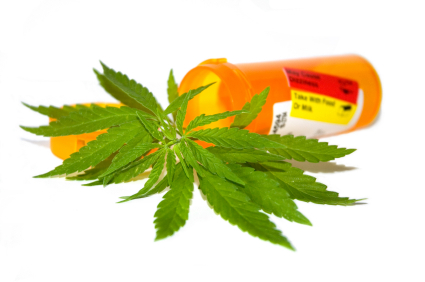
Medical marijuana is now legal in 18 states, but it’s clear we’ve discovered a fraction of its potential for health.

There are now legal medical cannabis programs in 18 states plus Washington, DC, with pot fully legal for adults in two other states. Ironically, however, the actual healing power of the plant has barely been tapped. Smoking marijuana with THC (tetrahydrocannabinol), or better, vaporizing it (using a device to bake the plant material and inhale the active ingredients), has an indisputably palliative effect and can be medically useful for pain relief, calming and appetite stimulation. It already has confirmed benefits against glaucoma, epilepsy and other specific diseases and disorders. It also gets people high. THC triggers cannabinoid receptors in the brain and this produces the sensation of being stoned. These receptors are found in the parts of the brain linked to pleasure, memory, concentration, and time perception.

But, based mostly on research overseas there is an increasing consensus that the medicinal benefits of psychoactive THC pale in comparison to the non-psychoactive cannabidiol (CBD) from the leaves of the same plant–raw and unheated. Depending on the strain, some plants are high in CBD but also contain a lesser amount of THC which is said to enhance the healing potentiality. CBD does not make people feel “stoned” and actually counters some of the effects of THC (for example, suppressing the appetite vs. stimulating it). CBD is beginning to be recognized by researchers at mainstream medical institutions around the world as a potentially very powerful weapon against cancer.
Researchers Sean D. McAllister and Pierre Desprez, who conducted studies of CBD’s effect on cancer cells for California Pacific Medical Center, suggest that these non-psychoactive compounds from the cannabis plant might, in short order, render chemotherapy and radiation distant second and third options for cancer patients. Based on a more recent study, McAllister and Desprez feel that CBD’s “could stop breast cancer from spreading.”
Dr. Donald Abrams, a cancer specialist and professor of integrative medicine at UCSF, conducted early trials involving THC medical cannabis, and now he is excited about the powerful impacts of CBD on cancer cells. The National Cancer Institute was busy researching this in the 1970s, Abrams explains, but restrictions on the use of cannabis for research in the United States resulted in most of the research on this subject disappearing in the U.S., and being picked up in other countries, such as Israel, Spain and Italy. He says existing studies point to a remarkable ability of CBD to arrest cancer cell division, cell migration, metastasis, and invasiveness.
Other studies point to CBD as having great promise as a defense against Alzheimer’s disease. In a 2006 study published in Molecular Pharmaceutics, a team of University of Connecticut researchers reported that cannabis “could be considerably better at suppressing the abnormal clumping of malformed proteins that is a hallmark of Alzheimer’s disease than any currently approved prescription.” The research team predicted that cannabinoid-based medications “will be the new breakout medicine treatments of the near future.”

Medical cannabis has a long history of use, starting in India, and then in China and the Middle East some 6,000 years ago. It came to the West in the 1800s, where it was listed in the U.S. Pharmacopeia until the 1930s. Used for over 100 ailments, cannabis was a favorite of our grandparents for cough remedies, analgesics, and tonics and was available over the counter at every local drugstore as well as companies such as Sears, Roebuck and Co. Banned in 1937 via the Marijuana Tax Act as part of a politically and racially driven prohibition craze, it was gradually removed from the pharmacopeia and research was discouraged and later prohibited via drug scheduling. The FBI linked the herb with insanity and claimed a direct correlation between cannabis and violence, and even death, especially when used by people of color.

Currently, science increasingly recognizes the role that cannabinoids play in almost every major life function in the human body. It wasn’t until 1990 that endocannabinoids, produced by the human body, were discovered to act as a bio-regulatory mechanism for most human life processes and have receptors sites throughout the human body. CB2 receptors are found almost exclusively in the immune system, with the greatest density in the spleen. These CB2 receptors appear to be responsible for the anti-inflammatory and other newly recognized and very significant therapeutic effects of cannabis.
Cannabis medicine has distinct advantages. CBD, as well as THC, can be given in massive doses with no side effects. In fact, it has performed very effectively as an anti-psychotic when given in high doses. CBD selectively targets and destroys tumor cells while leaving normal healthy cells unmolested. On the other hand, chemotherapy and radiation are highly toxic and indiscriminately injure healthy cells in the brain and the body. Industrial hemp is often high in healing CBD and very low in THC. Hemp CBD is a waste product — it’s thrown out by the ton every year when it could easily be harvested for tumor shrinking.
Medical cannabis farm Tikun Olam in Israel has been developing a strain of cannabis that is high in CBD (15.8%) but very low in THC (1%). This new strain is called Avidekel and seems to have the highest CBD to THC ratio of any other variant strain. Zack Klein of Tikun Olam told Reuters: “Sometimes the high is not always what is needed. Sometimes it is an unwanted side effect. For some of the people it’s not even pleasant.”
The THC industry and its users worry that once CBD medicine grows in popularity, the medical badge might be torn from the sticky buds that makes being “stoned” possible. Aside from THC’s significant medical benefits, surely its ability to make people feel happier and less stressed should not be considered without therapeutic value. More likely, all options will thrive, and 1,000 cannabis flowers will blossom: Indica, Sativa, CBD + THC, CBD Only, etc.
Meanwhile, it’s useful to note that since 2003, the U.S. federal government has held a “medical patent” for the marketing of cannabinoids as antioxidants or neuroprotective agents. The patent states that cannabinoids are “useful in the treatment and prophylaxis of wide variety of oxidation associated diseases such as inflammatory and autoimmune diseases. The cannabinoids are found to have particular application as neuroprotectants, for example in limiting neurological damage following ischemic insults, such as stroke and trauma, or in the treatment of neurodegenerative diseases, such as Alzheimer’s disease, Parkinson’s disease and HIV dementia.”
However, stoners may have it all wrong, medically speaking. It is unlikely a person can get a sufficient level of cannabidiol (pronounced kan-nəbə-dī’-ˌȯl) from smoking the raw plant to impact diseases like cancer in a curative manner, says Desprez. The marijuana plant offers many uses, but it may come as a surprise to most users that you have to choose early in a plant’s life if you want it to make you high or to heal you. Research suggests that cannabis is most beneficial when the whole spectrum of cannabinoids are represented, including some THC. It is the ratio of cannabinoids in a specific strain of cannabis that most determines its therapeutic potential. Juicing the cannabis leaves raw, along with some carrots or other green veggies, has proven very beneficial as it involves the ingestion of the acid form of cannabinoids, which are non-psychoactive (even the THC). Cannabis oil also has enthusiastic fans who claim it has cured their cancers.
In India there are still large numbers of people who partake in an ancient practice of having a fresh raw cannabis drink called “Thandai”  in which fresh cannabis leaves are made into a paste along with almonds, milk and sugar. This tasty drink is often consumed at religious festivals, and in some cities the government maintains distribution points for cannabis. A rolled sweet ball with similar ingredients is called “Bhang,” familiar for over a century to many Western seekers walking the ghats of sacred Banaras.
Cannabis edibles in the West are emerging as one of the fastest growing new sectors of the food industry. Dispensaries in 18 states offer such goodies as ice cream, cough drops, peanut butter, honey, saliva tea, and myriad baked goods and savory snacks–all dosed with THC.  Given the huge potential market for non-psychoactive cannabis, the introduction of CBD-rich medicine at the dispensary level has been surprisingly sluggish. Owners have been reluctant to stock CBD-rich strains or edibles because their present customers are seeking —or are not adverse to— cannabis that provides euphoria or sedation. THC content is a known seller. Once the medical benefits of non-psychoactive cannabis become more widely known, one can only imagine the variety and volume of CBD-rich foods that will rush to market.
Smoking, as opposed to vaporization, may be the least effective method of using cannabis as a medicine. But many raw cannabis users are convinced that CBD is the source of medical miracles. Restrictions on research have impacted the accuracy with which we can prescribe cannabis and determine the most effective and least harmful ways to utilize its benefits. Perhaps in the very near future, instead of smoking cannabis to reduce nausea from chemotherapy, cancer patients will be consuming raw non-psychoactive cannabis, and be healed without having to suffer the additional damage of radiation and chemotherapy at all.

Allan Badiner is a writer, activist, and editor of three books: Dharma Gaia: A Harvest of Essays in Buddhism and Ecology, Zig Zag Zen: Buddhism and Psychedelics, and Mindfulness in the Marketplace: Compassionate Responses to Consumerism.

Chinese Plant Compound Wipes out Cancer in 40 Days, Says New Research

Chinese Plant Compound Wipes out Cancer in 40 Days, Says New Research

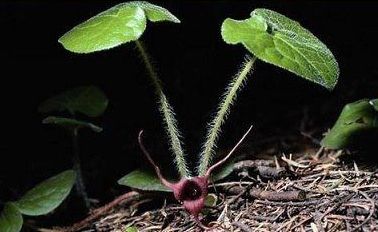
A little-known plant with a truly bizarre name is now making headlines as a cancer killer, with the compound of the plant vanishing tumors in mice with pancreatic cancer. Known as the ‘thunder god vine’ or lei gong teng, the Chinese plant is actually integrated into Chinese medicine and has been used for ages in remedying a number of conditions including rheumatoid arthritis.

According to the new research out of the University of Minnesota’s Masonic Cancer Center, the thunder god plant compound led to no signs of tumors after a 40 day period — even after discontinuing the treatment. Published in the journal Science Translational Medicine and funded by the National Institutes of Health, even the scientists working on the project were stunned by the anti-cancer properties of the compound. Known to contain something known as triptolide, which has been identified as a cancer fighter in previous research, it is thought to be the key component that may be responsible for the anti-tumor capabilities.

Study leader and vice chairman of research at the Cancer Center explained to Bloomberg how he was blown away by the effects of the simple plant:

“This drug is just unbelievably potent in killing tumor cells,” he said.

And just like with numerous other powerful substances like turmeric and ginger, mainstream science is still slowly confirming what many traditional practitioners have known for their entire lives. This is, of course, due to the fact that there is simply no money for major corporations in researching the healing powers of natural herbs and compounds such as the compound found in the thunder god vine. Turmeric and ginger, for example, have been found to be amazing anti-cancer substances that are virtually free compared to expensive and dangerous cancer drugs.

Nevertheless, the Big Pharma sponsored corporate scientists have managed to ignore these spices as much as possible. In fact, they have even been caught time and time again faking thousands of studies to fraudulently demonstrate the supposed value of pharmaceutical drugs pushed by major pharma juggernauts — many of which are later forced to pay millions in fines which only slightly stack up against their billions in profits.

Profits that are threatened by the many real studies that were performed by scientists examining the rejeuvenating power of cheap ingredients like turmeric, which has been found by peer-reviewed research available on PubMed to positively influence over 590 conditions.

While it is great news that this study is bringing the beneficial effects of inexpensive and near-free plant compounds to light, the bad news is that the individuals responsible for the research are actually looking to create a pharmaceutical drug from the essential component triptolide. A drug that will seek FDA approval and ultimately be patented, nutritionally ruined, and sold for exorbitant amounts of cash. Instead, just get your hands on some thunder god vine for yourself.

via WakingTimes

Orgone Energy Accumulator And Healing Intention In The Treatment Of Cancer In Mice

ABSTRACT

It has been experimentally demonstrated that cancer mice treated with an orgone energy accumulator (W. Reich and students) lived significantly longer than untreated controls. Recently Bill Bengston experimentally demonstrated that the same strain of cancer mice treated by local healing intention also lived significantly longer than the controls. An examination of the pathophysiology of the mice in both experiments indicates that the treated mice compared to the controls showed marked inflammatory changes at the tumor site. It is postulated that this is the mechanism whereby both the accumulator and intentional healing exert their healing influence and that in some way there is a functional identity in healing and the use of the accumulator.

(more…)