
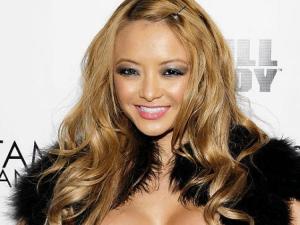
From Reality TV Star to Conspiracy Activist
Tila Tequila, born Thien Thanh Thi Nguyen, rose to fame as one of the most-followed personalities on MySpace during the social media platform’s peak years. She parlayed that early internet celebrity into a reality television career, modeling work, and music, becoming one of the first figures to demonstrate the power of social media for self-promotion. However, beginning around 2010, she pivoted dramatically from entertainment into outspoken commentary about government conspiracies, secret societies, and what she described as hidden forces controlling the entertainment industry.
Her transition from party-culture celebrity to conspiracy activist caught many observers off guard, though it generated enormous engagement on social media platforms.
The Twitter Revelations
In a series of tweets that attracted widespread attention, Tila laid out a rapid-fire collection of claims spanning government surveillance, suppressed technology, media manipulation, and institutional corruption. Her assertions included:
- The Federal Reserve, not elected officials, represented the true seat of power in the United States, with connections to Freemasonry
- Cures for cancer and AIDS existed but were suppressed to protect pharmaceutical industry profits
- Income tax was not actually required by law, a claim drawn from the broader tax protester movement
- Electric vehicles and free energy generators had been developed and suppressed by government and industry
- The government used fear as a tool of social control, creating crises to justify expanding legal authority
- Prominent figures including John Lennon, Marilyn Monroe, JFK, Martin Luther King Jr., and Malcolm X were killed by government forces for being too influential or knowing too much
- Media companies actively censored content and manipulated trending topics to control public narratives
Many of these claims drew from well-established conspiracy theory traditions, though Tila’s massive social media following meant they reached audiences who might not have encountered them through conventional alternative media channels.
Platform Censorship and Account Closures
Tila reported that her Twitter and Facebook accounts were suspended or deleted following her conspiracy-related posts. She had previously claimed that China blocked her MySpace page, and that MySpace had blocked her political bulletins during a presidential campaign.
These platform actions became central to the narrative surrounding her activism. Supporters pointed to the account closures as evidence that her claims had merit — arguing that if her statements were merely the ramblings of a celebrity, they would have been ignored rather than actively suppressed. Critics countered that the account suspensions more likely resulted from violations of platform terms of service.
The episode highlighted early tensions between social media platforms and users who pushed boundaries around content moderation — debates that would only intensify in subsequent years as questions about censorship, free speech, and platform power became dominant themes in public discourse.
Claims About the Entertainment Industry
Tila published a detailed blog post alleging that the entertainment industry had taken a dark turn, with music videos becoming increasingly saturated with what she described as satanic symbolism and hidden messages. She named several prominent artists — including Lady Gaga, Beyonce, Rihanna, Christina Aguilera, Miley Cyrus, and Taylor Swift — as participants in what she characterized as an occult alliance.
Her claims touched on themes that would later become broadly popularized in online conspiracy culture:
- Celebrities exchanging their autonomy for fame and success through secret agreements with powerful hidden groups
- Music videos containing deliberate subliminal messaging designed to influence viewers’ subconscious minds
- Television and cellular frequencies being used to manipulate brain function and behavior
- A connection between entertainment industry symbolism and broader plans for social control leading up to 2012
She referenced the films “Eyes Wide Shut” and “The Devil’s Advocate” as parallel depictions of the dynamics she described, and claimed to have studied these subjects for seven years before going public.
The Media Response
Tila claimed that both Alex Jones of InfoWars and Larry King cancelled scheduled interviews with her. The Alex Jones cancellation particularly interested conspiracy community observers, as Jones was himself a prominent figure in alternative media. Some interpreted his reluctance to platform Tila as evidence that even supposedly independent media figures operated within boundaries set by unseen power structures.
Others suggested more mundane explanations — that Tila’s presentation style and celebrity background may not have aligned with the editorial approach of these programs, or that concerns about credibility factored into the decisions.
Context and Legacy
Tila Tequila’s conspiracy activism occupies an unusual position in the history of online alternative media. She was arguably one of the first mainstream celebrities to use social media platforms to disseminate conspiracy theories to a mass audience, predating by several years the broader phenomenon of celebrity conspiracy endorsement that would become common in later years.
Many of the specific claims she made — about media manipulation, platform censorship, entertainment industry occultism, and government surveillance — would become standard talking points within conspiracy communities throughout the 2010s. The NSA surveillance revelations by Edward Snowden in 2013 lent credibility to some of her broader assertions about government monitoring, even as her more specific claims about satanic entertainment industry networks remained firmly in the realm of unverified allegation.
Her later public trajectory included controversial associations with far-right movements and figures, which further complicated her legacy. Some who had initially supported her conspiracy activism distanced themselves when her views evolved in directions they found objectionable.
The Tila Tequila phenomenon ultimately illustrated the democratizing and destabilizing potential of social media platforms — demonstrating how a single personality with a large following could bypass traditional media gatekeepers to inject fringe narratives directly into mainstream discourse, for better or worse.