Visualizing the Birth of the Universe
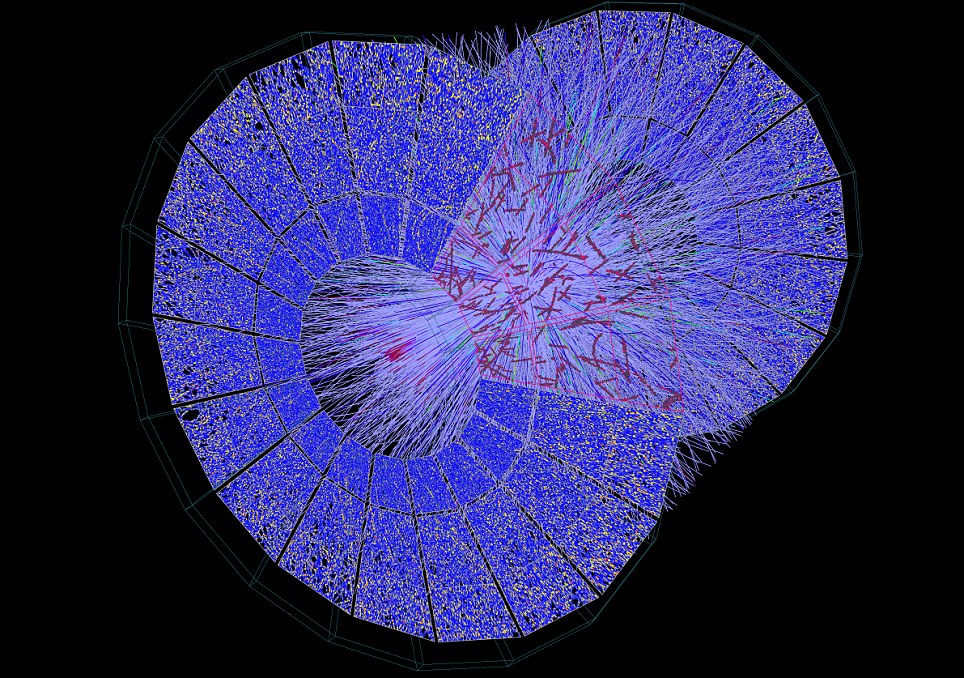
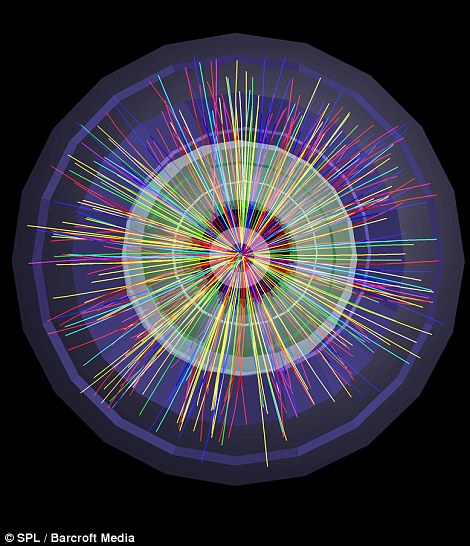
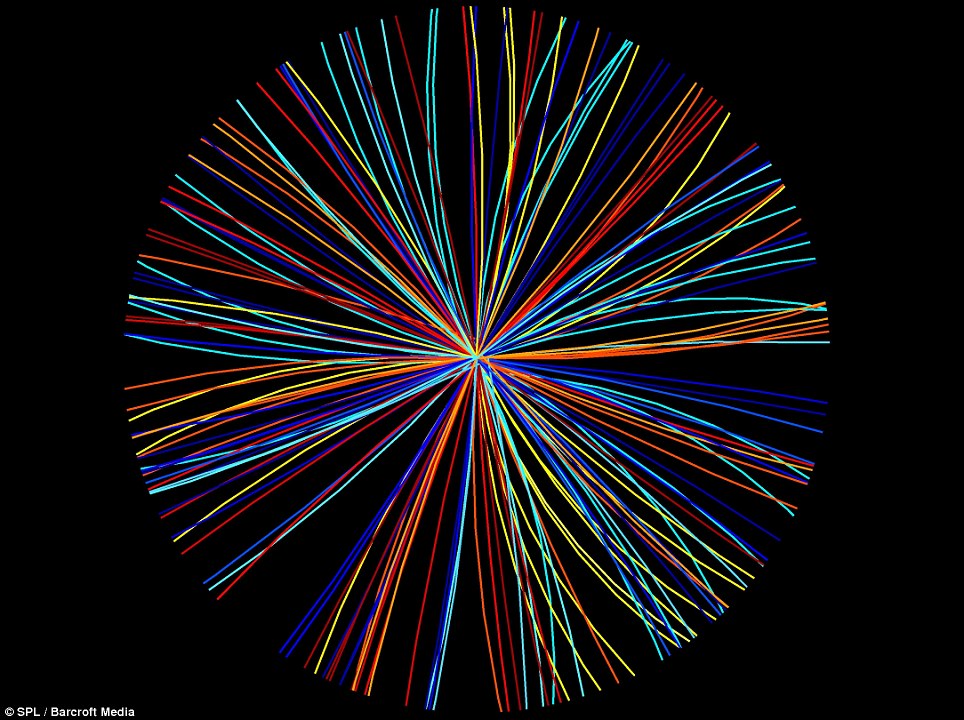
At first glance, the images resemble an elaborate fireworks display streaking across a dark sky. In reality, they represent something far more profound: computer-generated visualizations of sub-atomic collisions that may approximate what the earliest moments of the universe looked like.
These striking images emerged from experiments conducted at CERN, the European Organization for Nuclear Research in Geneva, Switzerland, home to the Large Hadron Collider (LHC), the most powerful particle accelerator ever constructed.
Recreating Conditions From the Dawn of Time
To probe the origins of the cosmos, physicists at CERN have been smashing atom-sized particles of lead together at extraordinary velocities. These lead-ion collisions are designed to recreate conditions similar to those that existed fractions of a second after the theoretical Big Bang event.
The particles travel through a 16-mile-long circular accelerator, reaching the speed of light before slamming into each other within a vacuum chilled to temperatures below minus 271 degrees Celsius. The resulting collisions produce spectacular displays of light, heat, and particle movement that form intricate and often beautiful patterns.
Reading the Particle Tracks
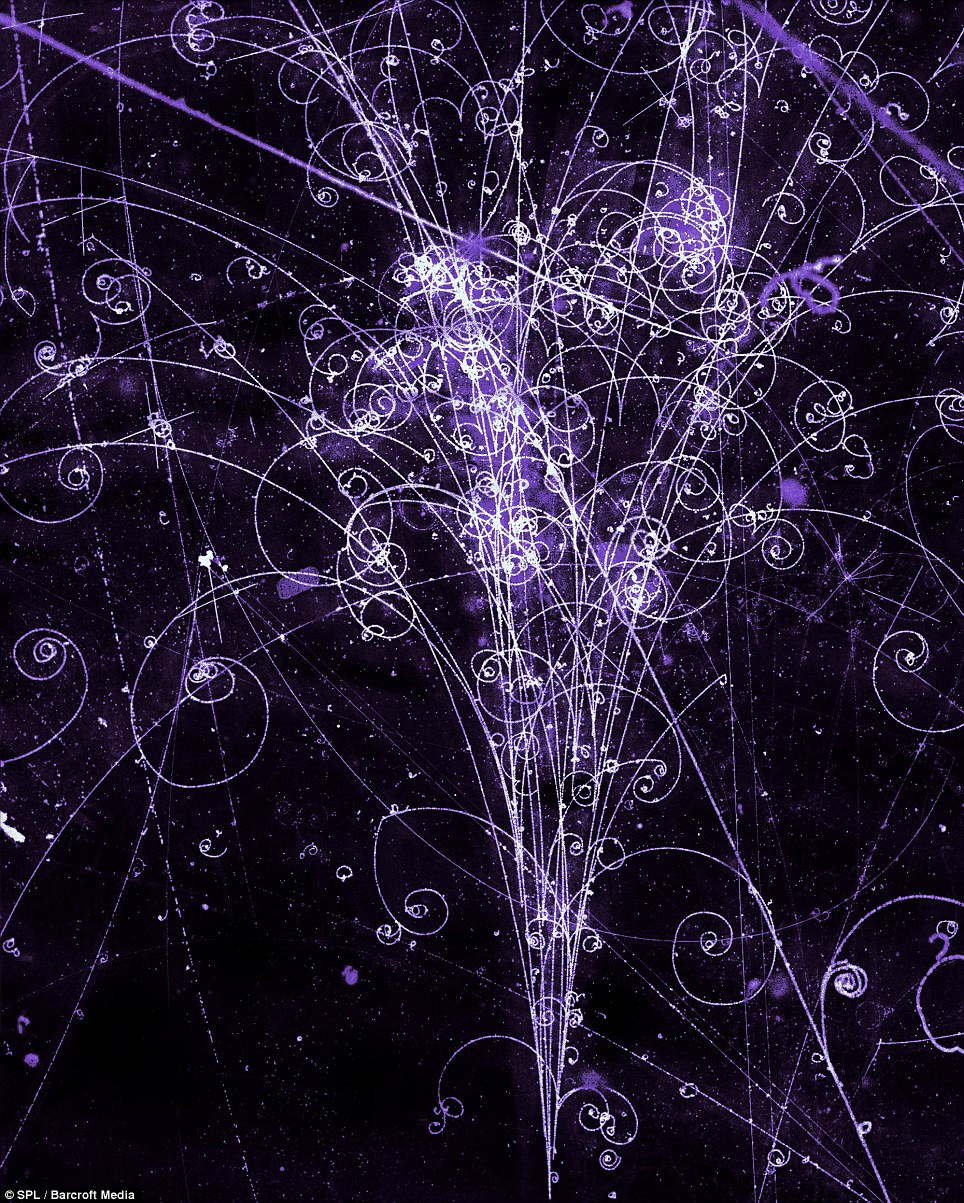
CERN spokesperson and particle physicist Christine Sutton explained that when two lead ions collide, fundamental particles called pions are expelled. These sub-atomic particles are among the basic building blocks of atoms and are abundant throughout the universe.
By studying these collisions, researchers aim to learn more about the fundamental composition of the universe and, ultimately, how everything began. The colorful lines in the images represent what physicists call tracks, which function much like animal footprints or airplane contrails. While the particles themselves are invisible, they leave behind trails that scientists can measure and analyze.
How the Colors Tell the Story
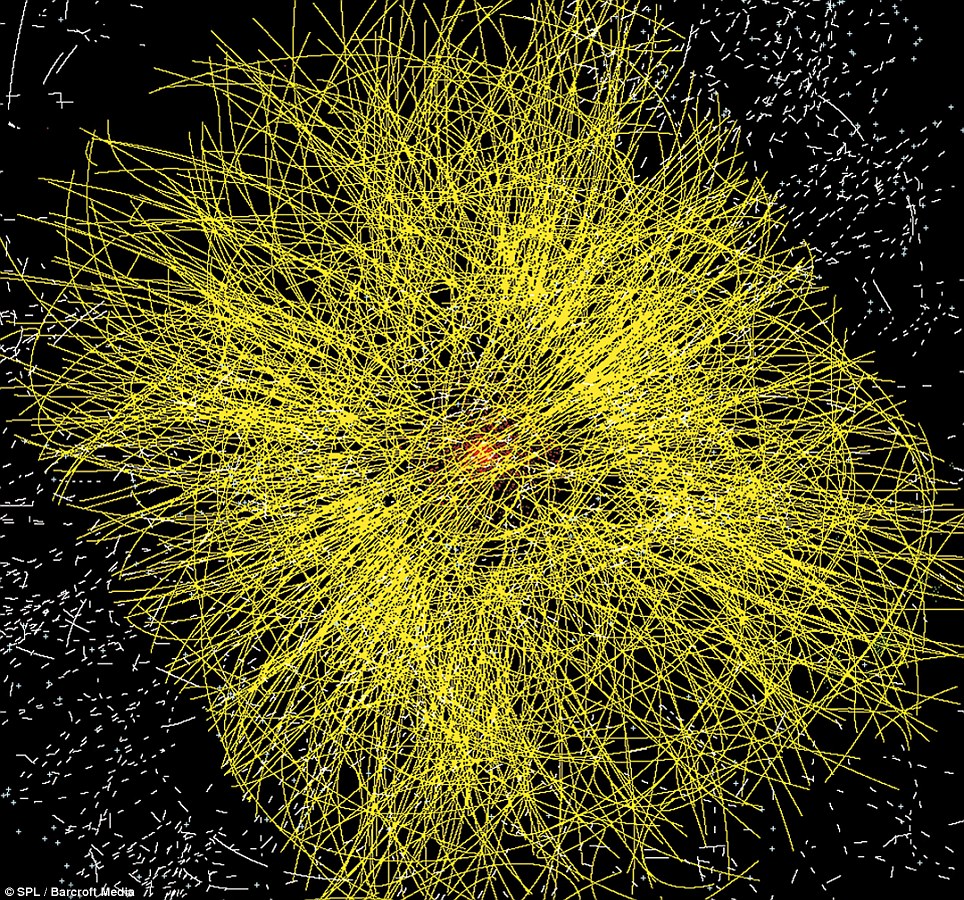
The colors assigned to each track are not arbitrary. Physicists apply them to represent different energy levels. Blue typically indicates higher energies, while red signifies lower ones, mirroring the color patterns observed in flames. Yellow represents low intensity and red represents high intensity in terms of particle movement.
Engineering to Withstand Extreme Forces
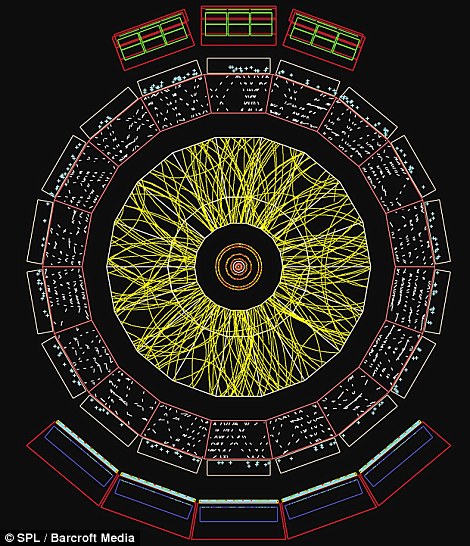
The infrastructure required for these experiments is staggering. CERN employs 9,300 magnets to accelerate and guide the lead ions. When two super-speeding ions collide, the resulting temperature reaches levels approximately 100,000 times hotter than the surface of the sun. To keep the magnets and accelerator ring functioning at such extreme conditions, engineers use helium superfluid as a coolant, maintaining temperatures at minus 271 degrees Celsius.
These experiments represent one of humanity most ambitious efforts to peer back to the very beginning of existence, using the most advanced scientific instruments ever built.