Animals Eat Psychoactive Plants for an Intentional Break from Reality

Animals Eat Psychoactive Plants for an Intentional Break from Reality

The United Nations says Animals Eat Psychoactive Plants the drug war’s rationale is to build “a drug-free world — we can do it!” U.S. government officials agree, stressing that “there is no such thing as recreational drug use.” So this isn’t a war to stop addiction, like that in my family, or teenage drug use. It is a war to stop drug use among all humans, everywhere. All these prohibited chemicals need to be rounded up and removed from the earth. That is what we are fighting for.

I began to see this goal differently after I learned the story of the drunk elephants, the stoned water buffalo, and the grieving mongoose. They were all taught to me by a remarkable scientist in Los Angeles named Professor Ronald K. Siegel.

***
The tropical storm in Hawaii had reduced the mongoose’s home to a mess of mud, and lying there, amid the dirt and the water, was the mongoose’s mate — dead. Professor Siegel, a silver-haired official adviser to two U.S. presidents and to the World Health Organization, was watching this scene. The mongoose found the corpse, and it made a decision: it wanted to get out of its mind.

Two months before, the professor had planted a powerful hallucinogen called silver morning glory in the pen. The mongooses had all tried it, but they didn’t seem to like it: they stumbled around disoriented for a few hours and had stayed away from it ever since. But not now. Stricken with grief, the mongoose began to chew. Before long, it had tuned in and dropped out.
It turns out this wasn’t a freak occurrence in the animal kingdom. It is routine. As a young scientific researcher, Siegel had been confidently toldby his supervisor that humans were the only species that seek out drugs to use for their own pleasure. But Siegel had seen cats lunging at catnip — which, he knew, contains chemicals that mimic the pheromones in a male tomcat’s pee —so, he wondered, could his supervisor really be right? Given the number of species in the world, aren’t there others who want to get high, or stoned, or drunk?

This question set him on a path that would take twenty-five years of his life, studying the drug-taking habits of animals from the mongooses of Hawaii to the elephants of South Africa to the grasshoppers of Soviet-occupied Czechoslovakia. It was such an implausible mission that in one marijuana field in Hawaii, he was taken hostage by the local drug dealers, because when he told them he was there to see what happened when mongooses ate marijuana, they thought it was the worst police cover story they had ever heard.

What Ronald K. Siegel discovered seems strange at first. He explains in his book Intoxication:

After sampling the numbing nectar of certain orchids, bees drop to the ground in a temporary stupor, then weave back for more. Birds gorge themselves on inebriating berries, then fly with reckless abandon. Cats eagerly sniff aromatic “pleasure” plants, then play with imaginary objects. Cows that browse special range weeds will twitch, shake, and stumble back to the plants for more. Elephants purposely get drunk off fermented fruits. Snacks of “magic mushrooms” cause monkeys to sit with their heads in their hands in a posture reminiscent of Rodin’s Thinker. The pursuit of intoxication by animals seems as purposeless as it is passionate. Many animals engage these plants, or their manufactured allies, despite the danger of toxic or poisonous effects.

Noah’s Ark, he found, would have looked a lot like London on a Saturday night. “In every country, in almost every class of animal,” Siegel explains, “I found examples of not only the accidental but the intentional use of drugs.” In West Bengal, a group of 150 elephants smashed their way into a warehouse and drank a massive amount of moonshine. They got so drunk they went on a rampage and killed five people, as well as demolishing seven concrete buildings. If you give hash to male mice, they become horny and seek out females — but then they find “they can barely crawl over the females, let alone mount them,” so after a little while they yawn and start licking their own penises.

Excerpted from Johann Hari’s Chasing the Scream: The First and Last Days of the War on Drugs. Available from Amazon.
In Vietnam, the water buffalo have always shunned the local opium plants. They don’t like them. But when the American bombs started to fall all around them during the war, the buffalo left their normal grazing grounds, broke into the opium fields, and began to chew. They would then look a little dizzy and dulled. When they were traumatized, it seems, they wanted — like the mongoose, like us — to escape from their thoughts.

***
I kept returning to the UN pledge to build a drug-free world. There was one fact, above all others, that I kept placing next to it in my mind. It is a fact that seems at first glance both obvious and instinctively wrong. Only 10 percent of drug users have a problem with their substance. Some 90 percent of people who use a drug—the overwhelming majority—are not harmed by it. This figure comes not from a pro-legalization group, but from the United Nations Office on Drug Control, the global coordinator of the drug war. Even William Bennett, the most aggressive drug czar in U.S. history, admits: “Non-addicted users still comprise the vast bulk of our drug-involved population.”

This is hard to dispute, yet hard to absorb. If we think about people we know, it seems about right—only a small minority of my friends who drink become alcoholics, and only a small minority of the people I know who use drugs on a night out have become addicts.

But if you think about how we are trained to think about drugs, this seems instinctively wrong, even dangerous. All we see in the public sphere are the casualties. The unharmed 90 percent use in private, and we rarely hear about it or see it. The damaged 10 percent, by contrast, are the only people we ever see using drugs out on the streets. The result is that the harmed 10 percent make up 100 percent of the official picture. It is as if our only picture of drinkers were a homeless person lying in a gutter necking neat gin. This impression is then reinforced with the full power of the state. For example, in 1995, the World Health Organization (WHO) conducted a massive scientific study of cocaine and its effects. They discovered that “experimental and occasional use are by far the most common types of use, and compulsive/dysfunctional [use] is far less common.” The U.S. government threatened to cut off funding to the WHO unless they suppressed the report. It has never been published; we know what it says only because it was leaked.

As I write this, I feel uncomfortable. The 10 percent who are harmed are most vivid to me—they are some of the people I love most. And there is another, more complex reason why I feel awkward writing about this. For anybody who suspects that we need to reform the drug laws, there is an easier argument to make, and a harder argument to make.

The easier argument is to say that we all agree drugs are bad — it’s just that drug prohibition is even worse. I have made this argument in debates in the past. Prohibition, I said, doesn’t stop the problem, it simply piles another series of disasters onto the already-existing disaster of drug use. In this argument, we are all antidrug. The only difference is between prohibitionists who believe the tragedy of drug use can be dealt with by more jail cells in California and more military jeeps on the streets of Juárez, and the reformers who believe the tragedy of drug use can be dealt by moving those funds to educate kids and treat addicts.

There’s a lot of truth in this argument. It is where my instincts lie. But — as I try to think through this problem — I have to admit it is only a partial truth.

Here, I think, is the harder, more honest argument. Some drug use causes horrible harm, as I know very well, but the overwhelming majority of people who use prohibited drugs do it because they get something good out of it — a fun night out dancing, the ability to meet a deadline, the chance of a good night’s sleep, or insights into parts of their brain they couldn’t get to on their own. For them, it’s a positive experience, one that makes their lives better. That’s why so many of them choose it. They are not suffering from false consciousness, or hubris. They don’t need to be stopped from harming themselves, because they are not harming themselves. As the American writer Nick Gillespie puts it: “Far from our drugs controlling us, by and large we control our drugs; as with alcohol, the primary motivation is to enjoy ourselves, not to destroy ourselves . . . There is such a thing as responsible drug use, and it is the norm, not the exception.”

So, although it is against my instincts, I realized I couldn’t give an honest account of drug use in this book if I talked only about the harm it causes. If I’m serious about this subject, I also have to look at how drug use is deeply widespread — and mostly positive.

***
Professor Siegel’s story of buzzing cows and tripping bees is, he believes, a story about us. We are an animal species. As soon as plants began to be eaten by animals for the first time — way back in prehistory, before the first human took his first steps — the plants evolved chemicals to protect themselves from being devoured and destroyed. But these chemicals could, it soon turned out, produce strange effects. In some cases, instead of poisoning the plant’s predators, they — quite by accident — altered their consciousness. This is when the pleasure of getting wasted enters history. All human children experience the impulse early on: it’s why when you were little you would spin around and around, or hold your breath to get a head rush. You knew it would make you sick, but your desire to change your consciousness a little — to experience a new and unfamiliar rush — outweighed your aversion to nausea.

There has never been a society in which humans didn’t serially seek out these sensations. High in the Andes in 2000 b.c., they were making pipes through which they smoked hallucinogenic herbs. Ovid said drug-induced ecstasy was a divine gift. The Chinese were cultivating opium by a.d. 700. Hallucinogens and chemicals caused by burning cannabis were found in clay pipe fragments from William Shakespeare’s house. George Washington insisted that American soldiers be given whiskey every day as part of their rations.

“The ubiquity of drug use is so striking,” the physician Andrew Weil concludes, that “it must represent a basic human appetite.” Professor Siegel claims the desire to alter our consciousness is “the fourth drive” in all human minds, alongside the desire to eat, drink, and have sex—and it is “biologically inevitable.” It provides us with moments of release and relief.

***
Thousands of people were streaming in to a ten-day festival in September where they were planning — after a long burst of hard work — to find some chemical release, relaxation, and revelry. They found drugs passed around the crowd freely, to anybody who wanted them. Everyone who took them soon felt an incredible surge of ecstasy. Then came the vivid, startling hallucinations. You suddenly felt, as one user put it, something that was “new, astonishing, irrational to rational cognition.”

Some people came back every year because they loved this experience so much. As the crowd thronged and yelled and sang, it became clear it was an extraordinary mix of human beings. There were farmers who had just finished their harvest, and some of the biggest celebrities around. Their names—over the years—included Sophocles, Aristotle, Plato, and Cicero.

The annual ritual in the Temple at Eleusis, eighteen kilometers northwest of Athens, was a drug party on a vast scale. It happened every year for two thousand years, and anybody who spoke the Greek language was free to come. Harry Anslinger said that drug use represents “nothing less than an assault on the foundations of Western civilization,” but here, at the actual foundations of Western civilization, drug use was ritualized and celebrated.

I first discovered this fact by reading the work of the British critic Stuart Walton in a brilliant book called Out of It, and then I followed up with some of his sources, which include the work of Professor R. Gordon Wasson, Professor Carl Ruck, and other writers.

Everyone who attended the Eleusinian mysteries was sworn to secrecy about what happened there, so our knowledge is based on scraps of information that were recorded in its final years, as it was being suppressed. We do know that a special cup containing a mysterious chemical brew of hallucinogens would be passed around the crowd, and a scientific study years later seemed to prove it contained a molecular relative of LSD taken from a fungus that infested cereal crops and caused hallucinations. The chemical contents of this cup were carefully guarded for the rest of the year. The drugs were legal – indeed, this drug use was arranged by public officials – and regulated. You could use them, but only in the designated temple for those ten days. One day in 415 b.c., a partygoing general named Alcibiades smuggled some of the mystery drug out and took it home for his friends to use at their parties. Walton writes: “Caught in possession with intent to supply, he was the first drug criminal.”

But while it was a crime away from the Temple and other confined spaces, it was a glory within it. According to these accounts, it was Studio 54 spliced with St. Peter’s Basilica – revelry with religious reverence.

They believed the drugs brought them closer to the gods, or even made it possible for them to become gods themselves. The classicist Dr. D.C.A.

Hillman wrote that the “founding fathers” of the Western world

were drug users, plain and simple: they grew the stuff, they sold the stuff, and more important, they used the stuff . . . The ancient world didn’t have a Nancy Reagan, it didn’t wage a billion-dollar drug war, it didn’t imprison people who used drugs, and it didn’t embrace sobriety as a virtue. It indulged . . . and from this world in which drugs were a universally accepted part of life sprang art, literature, science, and philosophy . . . The West would not have survived without these so-called junkies and drug dealers.

There was some political grumbling for years that women were behaving too freely during their trances, but this annual festival ended only when the drug party crashed into Christianity. The early Christians wanted there to be one route to ecstasy, and one route only – through prayer to their God. You shouldn’t feel anything that profound or pleasurable except in our ceremonies at our churches. The first tugs towards prohibition were about power, and purity of belief. If you are going to have one God and one Church, you need to stop experiences that make people feel that they can approach God on their own. It is no coincidence that when new drugs come along, humans often use religious words to describe them, like ecstasy. They are often competing for the same brain space – our sense of awe and joy.

So when the emperor Constantine converted to Christianity and brought the Empire with him, the rituals at the Temple at Eleusis were doomed. They were branded a cult and shut down by force. The new Christianity would promote wine only in tiny sips. Intoxication had to be sparing. This “forcible repression by Christianity,” Walton explains, “represents the beginning of systematic repression of the intoxication impulse in the lives of Western citizens.”

Yet in every generation after, some humans would try to rebuild their own Temple at Eleusis—in their own minds, and wherever they could clear a space free of local Anslingers.

Harry Anslinger, it turns out, represented a trend running right back to the ancient world.

When Sigmund Freud first suggested that everybody has elaborate sexual fantasies, that it is as natural as breathing, he was dismissed as a pervert and lunatic. People wanted to believe that sexual fantasy was something that happened in other people – filthy people, dirty people. They took the parts of their subconscious that generated these wet dreams and daydreams and projected them onto somebody else, the depraved people Over There, who had to be stopped. Stuart Walton and the philosopher Terence McKenna both write that we are at this stage with our

equally universal desire to seek out altered mental states. McKenna explains: “We are discovering that human beings are creatures of chemical habit with the same horrified disbelief as when the Victorians discovered that humans are creatures of sexual fantasy and obsession.”

Just as we are rescuing the sex drive from our subconscious and from shame, so we need to take the intoxication drive out into the open where it can breathe. Stuart Walton calls for a whole new field of human knowledge called “intoxicology.” He writes: “Intoxication plays, or has played, a part in the lives of virtually everybody who has ever lived . . . To seek to deny it is not only futile; it is a dereliction of an entirely constitutive part of who we are.”

***
After twenty-five years of watching stoned mice, drunken elephants, and tripping mongooses, Ronald K. Siegel tells me he suspects he has learned something about this. “We’re not so different from the other animal life-forms on this planet,” he says.

When he sees people raging against all drug use, he is puzzled. “They’re denying their own chemistry,” he says. “The brain produces endorphins. When does it produce endorphins? In stress, and in pain. What are endorphins? They are morphine-like compounds. It’s a natural occurrence in the brain that makes them feel good . . . People feel euphoric sometimes. These are chemical changes – the same kind of chemical changes, with the same molecular structures, that these plants [we use to make our drugs] are producing . . . We’re all producing the same stuff.”

Indeed, he continues, “the experience you have in orgasm is partially chemical – it’s a drug. So people deny they want this? Come on! . . . It’s fun. It’s enjoyable. And it’s chemical. That’s intoxication.” He seems for a moment to think back over all the animals guzzling drugs he has watched over all these years. “I don’t see,” he says, “any difference in where the chemical came from.”

This is in us. It is in our brains. It is part of who we are.

via BoingBoing
ABOUT THE AUTHOR

Johann Hari is a British journalist who has written for the New York Times, Le Monde, the Los Angeles Times, the Independent, the Guardian, Slate, the New Republic, and the Nation. He has reported from many countries, from the Congo to Venezuela. He was twice named Newspaper Journalist of the Year by Amnesty International UK, awarded the Martha Gellhorn Prize for turning political writing into an art, and later named Journalist of the Year by Stonewall. He can be followed on Twitter: @johannhari101

Making A Killing With Cancer: A $124.6 Billion Industry

Making A Killing With Cancer: A $124.6 Billion Industry

blood-money-cancer-industryIf you had a business selling something that made you well over a hundred billion dollars per year, would you take steps to eradicate the need for your business? Or would you make every effort for that money continue rolling in?

Take cancer, for example. Don’t let all the media hype about “The Cure” fool you. No one who is in a position to do so wants to end cancer because they are all making a killing on the big business of treatment, while ordinary people go broke, suffer horribly, and die.

There will never be a “cure” brought to market because there just isn’t enough profit in eradicating the disease entirely. There will never be a governing body that protects consumers from being subjected to known carcinogens, because that, too, will stop the cash from rolling in. A great deal of research is covered up and many potential cures are ignored and discredited because there is far more money in perpetuating illness than in curing it. In 2012, the reported spending on cancer treatment was 124.6 billion dollars. Blood money.

The Grim Statistics

Just the word “cancer” sends a frisson of fear down the spine of the most stalwart optimist. Terrifyingly, almost one in two people will get the dreaded disease, and the numbers are only getting worse. Here are some quick stats for background:

  • Nearly half of all Americans will develop cancer in their lifetime. (source) Quick math tells us that is an astonishing 157 million victims.
  • Over half a million people in America died of cancer in 2012. (source)
  • In 2011, cancer was the #1 cause of death in the Western world, and #2 in developing countries. (source)
  • Cancer is the #1 cause of childhood death in the United States. (source)

This is a fairly recent increase. A hundred years ago, the number was far different. At that time, 1 in 33 people was stricken with the disease. And despite billions of dollars being spent to find “the cure”, the World Health Organization predicts that deaths from cancer will DOUBLE by the year 2030.

It’s being normalized. The news is full of photos of babies who are missing an eye, of beautiful bald children who have lost their hair to chemo, and of people who have had to have body parts removed in order to survive a few more years. But cancer is NOT normal. It isn’t something that “just happens.” Researchers know the things that cause cancer. Government protection agencies do, too, but they do nothing to limit these toxins in the marketplace.

Why?

Because, cancer is big business and those who are profiting have great financial interest in seeing the deadly trend continue to increase.

Poisoned for Profit

So what has changed? How did we go from a 3% chance of contracting cancer to a 41% chance?

It’s the advent of Big Pharma, Big Agri and Big Business. They are getting rich off of poisoning Americans through the manufacture of toxic elements that we are exposed to on a daily basis.

Unless you live in a bubble and have no contact with manufactured items, outside air, or the sun, you are exposed to a staggering number of known and suspected carcinogens every day. (Check out THIS LIST to see the known and suspected carcinogens that are readily available in the United States.)

The statistics support that the cumulative build up of all these different toxins in the human body eventually results in cancer in many people.

First, the manufacturers and the “food” producers profit when we buy their poisoned goods.

Then the medical system and pharmaceutical companies profit when we become ill and must fight cancer.

The drugs alone can cost over $100,000 per year, and that is on top of exorbitant costs for radiation, chemotherapy, and physicians’ bills. In the United States, cancer is the #1 most expensive “per person” illness to treat. (source)

Why would those who profit want to prevent cancer when 95.5 BILLION DOLLARS PER YEAR is spent on treating it? There is a vested interest in this increase in illness and the people benefiting from it have no intention of reducing the cases of cancer.

Don’t Count on Obamacare

Don’t look to Obamacare to be the saving grace of cancer victims, either. With this type of government-controlled medicine, budgets will be strictly adhered to and the decisions on how to proceed and what will be paid for will NOT be in the hands of the ill person. Treatments, medications, and funds will be strictly allocated through what many people are referring to as “death panels.”

Furthermore, Obamacare only covers 60% of your medical costs in most cases (after a hefty deductible) and none of your medication is covered. If you don’t have $50,000 or more kicking around for your co-pay, you will be out of luck, despite diligently paying your worthless monthly premiums.

Prevention: Your Only Defense

Avoiding carcinogens as diligently as possible is your best defense against becoming the “1 in 3″, but it isn’t easy. Furthermore, you’ll be considered an “extremist” or a “kook” by those around you who have buried their heads in the sand.

Basically, a spending day in the Western world is a like spending a day running a gauntlet of toxins and carcinogens. Big Pharma, Big Agri and Big Business are getting rich off of poisoning Americans.

There are steps you can take to limit your exposure but be prepared for many people to consider your actions extreme. Very few people are committed enough to their health and the health of their family to do the research required to identify the dangers around them and then go against the current to avoid those perils. (source)

Since most of us don’t live in a bubble, we will be subjected to some of these toxins – they’re impossible to avoid entirely. However, you can limit your exposure by taking the following steps to reduce your exposure to everyday poisons. (This list is expanded from the article, “The Great American Cancer Cluster” with permission from The Daily Sheeple.)

    • Purchase organic foods as often as possible. GMOs and pesticides are proven carcinogens.
    • Load your plate with colorful antioxidants. Opt for organic versions of foods like berries, colorful veggies, dark chocolate, and coffee, to name a few, are loaded with powerful, cancer-fighting antioxidants and will boost your immune system against other types of illness and disease as well.
    • Avoid processed foods. Many of the additives and preservatives featured abundantly in North America are banned in other countries precisely because of the health risks they represent.
    • Select non-toxic cookware. Nonstick cookware contains Teflon and perfluorooctanoic acid (PFOA), which emit at least toxic gases within 5 minutes of heating up that nonstick pan. Once the pans become scratched, toxic particles are leached directly into the food you’re preparing. Aluminum cookware is also potentially toxic. Cast iron, ceramic, glass, and clay are all better cookware options.
    • Don’t smoke.
    • Consume alcohol only in moderation.


  • Limit the use of plastic in your home. BPA or Bisphenol-A are petrochemical plastics that are a major component of many water bottles, lines the inside of canned goods, and makes up the hard material of many reusable food containers, including some brands of baby bottles. They leach cancer causing endocrine disruptors into food, especially if the food is hot. Use glass containers whenever possible.
  • Select personal care products that do not contain petrochemicals. Many cosmetics and other health and beauty aids contain petrochemicals. The danger of this is their byproduct, 1,4-dioxane, a proven carcinogen. The U.S. Environmental Protection Agency classifies dioxane as a probable human carcinogen California state law has classified dioxane to cause cancer. Animal studies in rats suggest that the greatest health risk is associated with inhalation of vapors. Avoid the following ingredients:
  • Paraffin Wax
  • Mineral Oil
  • Toluene
  • Benzene
  • Phenoxyethanol
  • Anything with PEG (polyethylene glycol)
  • Anything ending in ‘eth’ indicates that it required ethylene oxide (a petrochemical) to produce e.g. myreth, oleth, laureth, ceteareth
  • Anything with DEA (diethanolamine) or MEA (ethanolamine)
  • Butanol and any word with ‘butyl’ – butyl alcohol, butylparaben, butylene glycol
  • Ethanol and word with ‘ethyl’ – ethyl alcohol, ethylene glycol, ethylene dichloride, EDTA (ethylene-diamine-tetracetatic acid), ethylhexylglycerin
  • Any word with “propyl” – isopropyl alcohol, propylene glycol, propylalcohol, cocamidopropyl betaine
  • Methanol and any word with ‘methyl’ – methyl alcohol, methylparaben, methylcellulose
  • Parfum or fragrance – 95% of chemicals used in fragrance are from petroleum
  • Opt for natural, biodegradable food grade cleaning products. According to the website Natural Pure Organics, the average household contains up to 25 gallons of toxic materials, most of which are in cleaning products. When you use these cleaners, they linger in the air and on the surfaces, increasing your exposure to carcinogens as you inhale the toxins into your lungs or absorb them through your skin.
  • Avoid artificial sweeteners. Aspartame, for example, is a known carcinogen that breaks down into formaldehyde in the human body.
  • Refuse vaccines. Many vaccines contain formaldehyde and mercury, both of which are known carcinogens. By the age of two, if a child has received all of the recommended vaccines, he or she has received 2,370 times the “allowable safe limit” for mercury (if there is such a thing as a safe level of poison). The HPV vaccine can actually increase the risk of reproductive cancer. The polio vaccine most recently came under fire for its cancer-causing ingredients. (Learn more about the cancer causing ingredients in vaccines HERE.)
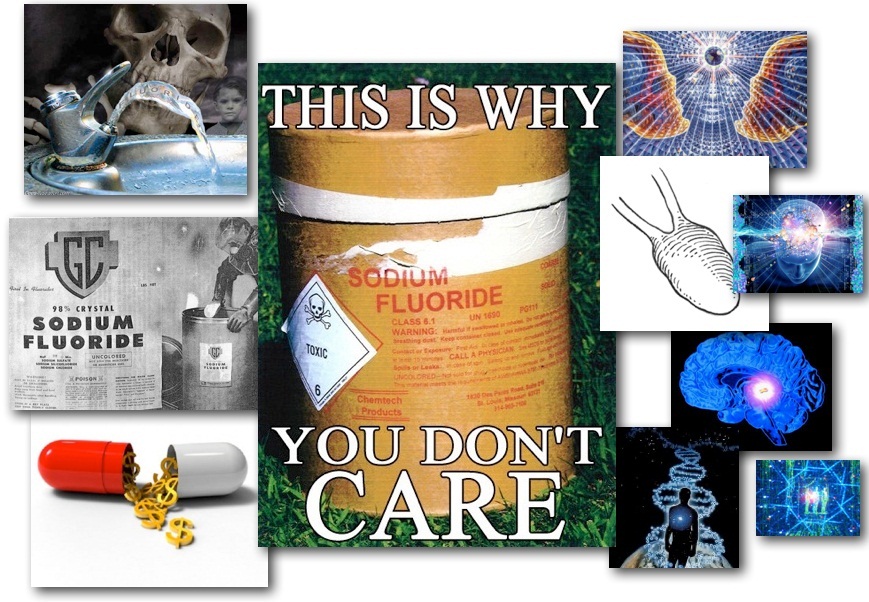
  • Avoid tap water. If you have municipal water, drink it at the risk of ingesting loads of toxins. First, there is the willful addition of sodium fluoride, a pesticide which is labeled as “deadly to humans.” Not only has the consumption of fluoride been linked to cancer, but it also lowers IQs, causes infertility, and causes hardening of the arteries. Then there is the addition of chlorine, which is used to kill bacteria that could make us sick. Unfortunately, according to Dr. Michael J. Plewa, a genetic toxicology expert at the University of Illinois, chlorinated water is carcinogenic. “Individuals who consume chlorinated drinking water have an elevated risk of cancer of the bladder, stomach, pancreas, kidney and rectum as well as Hodgkin’s and non-Hodgkin’s lymphoma.”
  • Maintain a healthy body weight. Obesity has been linked to increased risks of cancers of the esophagus, breast, endometrium, uterus, colon and rectum, kidney, pancreas, thyroid, and gallbladder.
  • Exercise daily.

The mindboggling thing is that those who strictly avoiding carcinogens and toxins are labeled “crazy” or “hysterical”. I can’t tell you how many times I have watched people roll their eyes or scoff when I refuse to partake in things that are hazardous. Somehow, drinking water from my own BPA-free water bottle is considered to be “extreme”. Not taking my children to McDonald’s or feeding them hot-dogs and Doritos is “mean”. Making our body care products and cleaning products from wholesome, non-toxic ingredients is “silly”.

I believe that knowingly ingesting toxic ingredients is “crazy”. I believe that rubbing carcinogens on my body or spraying them around my house is “ridiculous”. I think that having poison injected into my defenseless children or feeding it to them on a colorful plate is “mean”.

Never forget that the bottom line is profit. Don’t expect the FDA or the EPA to step in. They’ve proven time and again that their purpose is to serve the interests of Big Business, not the consumers.

Cancer represents big money to the pharmaceutical companies and the health industry. They do NOT have a vested interest in prevention. So, maybe, just maybe, subjecting your body to the tender mercies of Big Pharma and the AMA and lining their already loaded pockets is just a little bit sillier than taking steps to avoid illness altogether.

This article is dedicated to some beloved people in my life, one of whom fought it and won and the other who is fighting the good fight and will not go quietly… much love to SD and JS, and all who are touched by this icy finger.

Daisy Luther is a freelance writer and editor. Her website, The Organic Prepper, where this article first appeared, offers information on healthy prepping, including premium nutritional choices, general wellness and non-tech solutions. You can follow Daisy on Facebook and Twitter, and you can email her at [email protected]

Monsanto Found Guilty of Chemical Poisoning In Landmark Case

Monsanto Found Guilty of Chemical Poisoning In Landmark Case

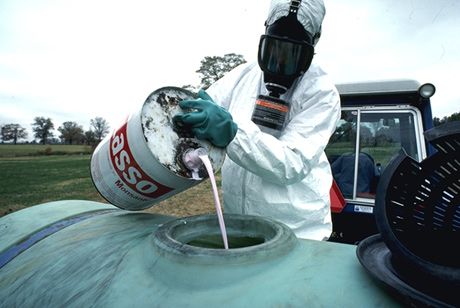
A French farmer who can no longer perform his routine farming duties because of permanent pesticide injuries has had his day in court, literally, and the perpetrator of his injuries found guilty of chemical poisoning. The French court in Lyon ruled that Monsanto’s Lasso weedkiller formula, which contains the active ingredient alachlor, caused Paul Francois to develop lifelong neurological damage that manifests as persistent memory loss, headaches, and stuttering during speech.

Reports indicate that the 47-year-old farmer sued Monsanto back in 2004 after inhaling the Lasso product while cleaning his sprayer tank equipment. Not long after, Francois began experiencing lasting symptoms that prevented him from working, which he says were directly linked to exposure to the chemical. Since Lasso’s packaging did not bear adequate warnings about the dangers of exposure, Francois alleged at the time that Monsanto was essentially negligent in providing adequate protection for its customers.

To the surprise of many, the French court agreed with the claims and evidence presented before it, declaring earlier this year that “Monsanto is responsible for Paul Francois’ suffering after he inhaled the Lasso product … and must entirely compensate him.” The court is said to be seeking expert opinion on how to gauge Francois’ losses in order to determine precisely how much Monsanto will be required to compensate him in the case.

“It is a historic decision in so far as it is the first time that a (pesticide) maker is found guilty of such a poisoning,” said Francois Lafforgue, Paul Francois’ lawyer, to Reuters earlier in the year.

According to the U.S. Environmental Protection Agency (EPA), exposure to alachlor can cause damage to the liver, kidneys, spleen, and eyes, and may lead to the development of anemia and even cancer. The EPA apparently views alachlor as so dangerous, in fact, that the agency has set the maximum contaminant level goals (MCLG) for alachlor to zero in order to “prevent potential health problems.” (http://water.epa.gov/drink/contaminants/basicinformation/alachlor.cfm)

In 2007, France officially banned Lasso from use in the country in accordance with a European Union (EU) directive enacted in 2006 prohibiting the chemical from further use on crops in any member countries. But despite all the evidence proving that alachlor can disrupt hormonal balance, induce reproductive or developmental problems, and cause cancer, the chemical is still being used on conventional crops throughout the U.S. to this very day. (http://www.pesticideinfo.org/Detail_ChemReg.jsp?Rec_Id=PC35160)

“I am alive today, but part of the farming population is going to be sacrificed and is going to die because of (alachlor),” added Francois to Reuters.

Sources for this article include:

http://www.care2.com

http://www.google.com

http://ecowatch.org

September 25, 2012 – DCMX Radio: Fluoride History, Danger, Subversion! An Industry By-Product that Lowers IQ, Induces Apathy

September 25, 2012 – DCMX Radio: Fluoride History, Danger, Subversion! An Industry By-Product that Lowers IQ, Induces Apathy

Fluoride History & Uses Decrypted: Learn the False History, True History, and hidden research, doctors that advice AGAINST fluoridation, and the calcification effect on the brain’s Pineal gland – important for many bodily functions, including the gateway to spirituality, ie dream-state.

Every Week Night 12-1am EST (9-10pm PST)

– Click Image to Listen LIVE –

Naseer Talebzadeh Ordoubadi

Naseer Talebzadeh Ordoubadi

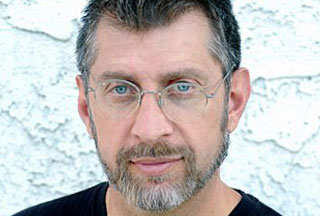
Nasser-OrdoubadiNasser Talebzadeh Ordoubadi, 53, died February 14, 2009 of “suspicious” causes. Dr. Noah (formerly Nasser Talebzadeh Ordoubadi) is described in his American biography as a pioneer of Mind-Body-Quantum medicine who lectured in five countries and ran a successful health care center General Medical Clinics Inc. in King County, Washington for 15 years after suffering a heart attack in 1989. Among his notable accomplishments was discovering an antitoxin treatment for bioweapons.

Professor Janusz Jeljaszewicz

Professor Janusz Jeljaszewicz

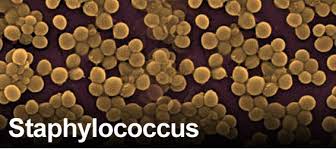
StaphProfessor Janusz Jeljaszewicz died on May 7, 2001, and the cause is not disclosed. He was an expert in Staphylococci and Staphylococcal Infections. His main scientific interests and achievements were in the mechanism of action and biological properties of staphylococcal toxins, and included the immunomodulatory properties and experimental treatment of tumors by Propionibacterium. Professor Janusz Jeljaszewicz died on May 7, 2001, and the cause is not disclosed. He was an expert in Staphylococci and Staphylococcal Infections. His main scientific interests and achievements were in the mechanism of action and biological properties of staphylococcal toxins, and included the immunomodulatory properties and experimental treatment of tumors by Propionibacterium.

Professor Janusz Jeljaszewicz died on May 7, 2001, and the cause is not disclosed. He was an expert in Staphylococci and Staphylococcal Infections. His main scientific interests and achievements were in the mechanism of action and biological properties of staphylococcal toxins, and included the immunomodulatory properties and experimental treatment of tumors by Propionibacterium.

Professor Janusz Jeljaszewicz died on May 7, 2001, and the cause is not disclosed. He was an expert in Staphylococci and Staphylococcal Infections. His main scientific interests and achievements were in the mechanism of action and biological properties of staphylococcal toxins, and included the immunomodulatory properties and experimental treatment of tumors by Propionibacterium. Professor Janusz Jeljaszewicz died on May 7, 2001, and the cause is not disclosed. He was an expert in Staphylococci and Staphylococcal Infections. His main scientific interests and achievements were in the mechanism of action and biological properties of staphylococcal toxins, and included the immunomodulatory properties and experimental treatment of tumors by Propionibacterium.

Professor Janusz Jeljaszewicz died on May 7, 2001, and the cause is not disclosed. He was an expert in Staphylococci and Staphylococcal Infections. His main scientific interests and achievements were in the mechanism of action and biological properties of staphylococcal toxins, and included the immunomodulatory properties and experimental treatment of tumors by Propionibacterium.

Professor Janusz Jeljaszewicz

Sidney Harshman

StaphSidney Harshman, age 67, died oSidney Harshman, age 67, died on December 25, 1997, from complications of diabetes. He was a professor of microbiology and immunology. He was the world’s leading expert on staphylococcal alpha toxins.Sidney Harshman, age 67, died on December 25, 1997, from complications of diabetes. He was a professor of microbiology and immunology. He was the world’s leading expert on staphylococcal alpha toxins.n December 25, 1997, from complications of diabetes. He was a professor of microbiology and immunology. He was the world’s leading expert on staphylococcal alpha toxins.

 Sidney Harshman, age 67, died on December 25, 1997, from complications of diabetes. He was a professor of microbiology and immunology. He was the world’s leading expert on staphylococcal alpha toxins.Sidney Harshman, age 67, died on December 25, 1997, from complications of diabetes. He was a professor of microbiology and immunology. He was the world’s leading expert on staphylococcal alpha toxins.Sidney Harshman, age 67, died on December 25, 1997, from complications of diabetes. He was a professor of microbiology and immunology. He was the world’s leading expert on staphylococcal alpha toxins.Sidney Harshman, age 67, died on December 25, 1997, from complications of diabetes. He was a professor of microbiology and immunology. He was the world’s leading expert on staphylococcal alpha toxins.

StaphSidney Harshman, age 67, died oSidney Harshman, age 67, died on December 25, 1997, from complications of diabetes. He was a professor of microbiology and immunology. He was the world’s leading expert on staphylococcal alpha toxins.Sidney Harshman, age 67, died on December 25, 1997, from complications of diabetes. He was a professor of microbiology and immunology. He was the world’s leading expert on staphylococcal alpha toxins.n December 25, 1997, from complications of diabetes. He was a professor of microbiology and immunology. He was the world’s leading expert on staphylococcal alpha toxins.

 Sidney Harshman, age 67, died on December 25, 1997, from complications of diabetes. He was a professor of microbiology and immunology. He was the world’s leading expert on staphylococcal alpha toxins.Sidney Harshman, age 67, died on December 25, 1997, from complications of diabetes. He was a professor of microbiology and immunology. He was the world’s leading expert on staphylococcal alpha toxins.Sidney Harshman, age 67, died on December 25, 1997, from complications of diabetes. He was a professor of microbiology and immunology. He was the world’s leading expert on staphylococcal alpha toxins.Sidney Harshman, age 67, died on December 25, 1997, from complications of diabetes. He was a professor of microbiology and immunology. He was the world’s leading expert on staphylococcal alpha toxins.