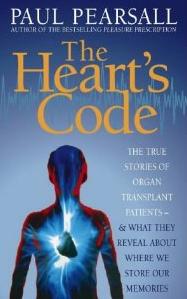
Psychologist Pearsall had a personal experience with “energy cardiology” when he had hip cancer. His logical, directing brain struggled over his disease and what it meant to him with his sensitive, more accepting heart. He began to study the heart and learned about its “L energy” and how to recognize its warnings. He went on to study heart transplants and how the background of a new heart could affect its recipient; for example, one man began to yearn for spicy foods and to study Spanish before he knew that his donor had been Hispanic. Documenting the stories he tells with medical and psychological literature, Pearsall states that we have been too brain-focused and have not listened to all the heart has to offer. We should learn to be patient, connected with others, pleasant, humble, and gentle, Pearsall says, and for those who want to find out whether they are cardiosensitive, he presents a personal inventory. Although hardly a work of completely hard science, Pearsall’s effort has much to offer thoughtful readers.
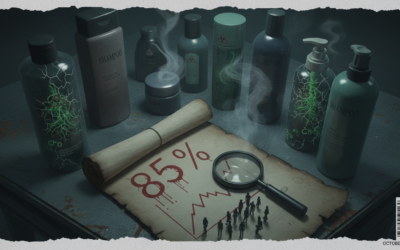
Personal Care Products Conceal Unlabeled Toxic Chemicals: Peer-Reviewed Study Finds 85% Contamination Rate
A new peer-reviewed study tested more than 110 personal care products and found that approximately 85% contained unlabeled toxic chemicals, including PFAS, phthalates, parabens, and formaldehyde, with products averaging more than three times as many chemicals as disclosed on their labels.