Intro to Orgone Energy

Intro to Orgone Energy

orgone

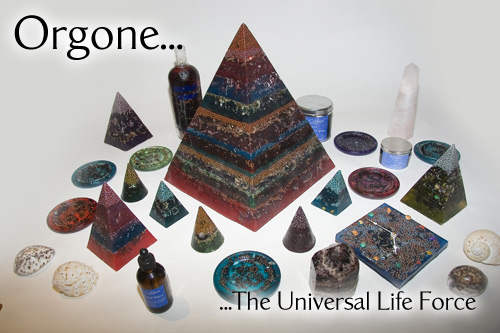
This term orgonite derives from “orgone”, the term provided by Wilhelm Reich for essential energy discovered everywhere throughout nature. Also known as “Chi”, “Prana”, “Ether”, “Élan Vital”, or “fifth element”, this vital energy exists in an organic way within a variety of types. It may be neutral (OR), positive (POR) or damaging (DOR = deadly orgone energy). When positive, it enables living microorganisms to be found in a healthy condition. Reich did a great deal of research and research on the attributes as well as behaviors surrounding this subtle energy.

Reich constructed a powerful orgone accumulator from alternate levels of metal as well as organic material. He built a fabulous cloudbuster with which he could cause it to rain, and he witnessed how orgone radiation was capable of counteract nuclear radiation. He died during his jail, after experiencing his laboratory and much of his written work incinerated by the government bodies, who feared what knowledge of this energy could possibly reveal.

Reich’s ‘Cloud Buster’, constructed from a collection of aluminum pipes/tubes of different lengths which were sat on a spinning base. From the actual tubes was an earthing cable which was submerged in running water. When pointed at the heavens, he could create clouds as well as cause it to rain as well as dissolve clouds and establishing a very clear blue sky.

It is essential to realize what DOR is. DOR (Deadly Orgone Energy) is POR, (Postive Orgone Energy) but “armored” as Reich called it. “Armoring” means that the living energy doesn’t circulate freely any further, but has been compromised into a rigid form. Whenever a knight wears his armor, he cannot move that freely any further. The same is applicable with energy when “armored”. Take a look at mother nature. When water flows freely, it’s full of vitality and living in it flourishes. When water turns stagnant, it develops into a stinking pool, and life in it is dissipated. DOR is negative, that is, it suffocates life types.

It generates disease, plus ultimately it will contribute to death. DOR energy is principally human made, simply by technology, such as equipment and microwave transmitters, chemical substance pollution, actual physical break down of the landscape, but also simply by human emotions. A location where a violent death happened, for instance, will retain this DOR imprint on that place for some time. A residence where the inhabitants have a lot of negative emotionally charged reactions will also be filled with DOR. The human body itself can likewise be armored, that is, by long term psychologically and mental complications, man’s creative expression may be blocked or dammed up, leading to contraction of his / her energy, quickly or slowly resulting in disease.

As people we are open to energy systems. This means that we can’t shield ourselves entirely coming from our environment. We are continually subjected to the actual energies in our environment. They affect us whether we’re conscious of this or even not. Therefore it is important to transform any DOR that surrounds us all into positive POR.

Learn more about Orgone Energy and how you can make your own Orgonite with ease http://www.HowToMakeOrgone.com

via David R. Gahn

Modern Science Confirms Yoga’s Many Health Benefits

Modern Science Confirms Yoga’s Many Health Benefits

yoga-meditationThere is evidence in the archeological record that yoga has been practiced by humans for at least 5,000 years. Whereas this would constitute sufficient evidence for most folks to consider it a practice with real health benefits, as its millions of practitioners widely claim, skeptics say otherwise. They require any activity deemed to be of therapeutic value run the gauntlet of randomized, controlled clinical trials before it is fully accepted within the conventional medical system.

This tendency towards scientism in medicine, or what some call medical monotheism, runs diametrically opposed to the standards of lived-experience – so called “subjectivity” – or anecdotal experience (learning from the experience of others) which is what the majority of the world uses to determine if something has value, or is worth doing or not.

Yoga, of course, is no longer exclusively practiced by a particular religious group.  It is considered a form of low-impact exercise and stress-reduction, and is estimated to be practiced by 20 million people in the US alone.  This burgeoning interest among Westerners happens to be why so much human clinical research has now been performed on yoga. The US National Library of Medicine’s bibliographic database shows that in 1968, seven studies were published on yoga. This year, there have been over 250. So much research, in fact, has accumulated that even systematic reviews of the literature have now been published.

Take a recently published systematic review in the Clinical Journal of Pain where an evaluation of ten randomized controlled trials found patients with chronic low back pain found “short-term effectiveness and moderate evidence for long-term effectiveness of yoga for chronic low back pain.”[i]gpub_46558_therapeutic_action_yoga
The meta-analysis sits comfortably on the top of the pyramid of truth of “evidence-based” medicine.  Once confirmation has occurred at these heights, few can accuse such an intervention of “quackery” without indicting the very holy grail of modern medicine itself.

So, what other human clinical research now confirms the value of yoga in the prevention and treatment of disease?  We have found evidence supporting the use of yoga in as many as 70 distinct disease categories, all of which can be viewed on our Yoga Health Benefits page, and with 7 listed below:

  1. Type 2 Diabetes:  Yoga has been found to reduce blood sugar and drug requirements in patients with type 2 diabetes.[ii] [iii]  Additional benefits for type 2 diabetics include the reduction of oxidative stress,[iv] improved cognitive brain function,[v] improving cardiovascular function,[vi] and reducing body mass index, improved well-being and reduced anxiety.[vii]
  2. Asthma: There are now four clinical studies indicating that yoga practice improves the condition of those with bronchial asthma.[viii] [ix] [x] [xi]
  3. Elevated Cortisol (Stress):  Yoga practice has been found to decrease serum cortisol levels which have been correlated with alpha wave activation.[xii]  Yoga also compares favorably in this respect to African dance, the latter of which raises cortisol.[xiii] Women suffering from mental stress, including breast cancer outpatients undergoing adjuvant radiotherapy, have been found to respond to yoga intervention with lowered cortisol levels, as well as associated mental stress and anxiety reduction.[xiv]  [xv]
  4. Fibromyalgia: There are three studies indicating that yoga improves the condition of patients suffering from fibromyalgia.[xvi] [xvii] [xviii]
  5. High Blood Pressure: Yoga has been found to reduce blood pressure in patients with prehypertension to stage 1 hypertension.[xix] Yoga has also been found to reduce blood pressure in more severe conditions, such as HIV-infected adults with cardiovascular disease.[xx] Yogic breathing is one of the most effective forms of yoga for this health condition, with both fast and slow-breathing exercises having value.[xxi]
  6. Obsessive-Compulsive Disorder: Yoga has been found to be efficacious in improving obsessive-compulsive behavior.[xxii]  [xxiii]
  7. Computer Eye Strain: Yoga practice reduced visual discomfort in professional computer users.[xxiv]

The examples above, of course, concern very specific health benefits. The experienced health benefits of yoga, on the other hand, are far more numerous and all-encompassing  than the reductionist medical model seeking to grant it official recognition and credibility will ever be able to fully grasp.

Nonetheless, it is clear that yoga has come of age. Ancient wisdom is finding renewed confirmation by men and women in lab coats, who themselves could stand to loosen up and throw down a sun salutation or two. Considering the aforementioned “scientific research” available today, they might now be more inclined to do so.
This downloadable document (GMI PUB) is filled with medically researched knowledge, relevant information and pertinent data on Yoga. The GMI PUB contains 74 articles which consists of a Cumulative Knowledge * of 671. This GMI PUB document will greatly reduce your research time due to the Cumulative Knowledge feature, and contains a condensed form of the studies that we have accumulated on Yoga.

In order to promote awareness of the clinically-confirmed health benefits of yoga we are offering our Yoga GMI Doc PDF to be downloaded for free. Click the Icon above as a registered user to do so.

Resources

50 Of The Best Prepper Websites And Blogs On The Internet

50 Of The Best Prepper Websites And Blogs On The Internet

prepping-ideas

Are you preparing for the collapse of society?  If so, the truth is that you are definitely not alone.  The number of preppers in the U.S. has absolutely exploded in recent years.

It has been estimated that there are now approximately 3 million preppers in the United States, and “Doomsday Preppers” is currently the highest rated show on the National Geographic channel.

In fact, you could be living next to a prepper and never even know it.

All over America, families are transforming spare rooms into long-term food storage pantries, planting survival gardens, unplugging from the grid, converting their homes over to alternative sources of energy, taking self-defense courses and stocking up on just about everything that you can imagine.

The re-election of Barack Obama and other recent events seem to have given the prepper movement even more momentum.

For example, in January the U.S. Mint broke all kinds of records and sold nearly half a billion dollars worth of gold and silver coins to the public.  Not only that, Americans bought enough guns during the last two months of 2012 alone to supply the entire armies of China and India.

When it comes to prepping, nobody can match the passion that Americans put into it.

So what are all of these people prepping for?

Well, the truth is that no two preppers have the exact same motivation.  There is a general consensus among preppers that our world is becoming increasingly unstable, but when you sit down and talk with them you find out that there are a whole host of different civilization-killing events that various preppers are concerned about.  Some are preparing for the collapse of the economy.

Others are extremely concerned about the potential for crippling natural disasters and catastrophic earth changes.

To other preppers, the rise of the “Big Brother” surveillance grid that is being constructed all around us is the greatest danger, and many of them warn of the tyrannical agenda of the New World Order.

Terrorism, killer pandemics, EMP attacks, World War III, martial law, solar megastorms, asteroid strikes and societal chaos are some of the other things that many preppers are worried about.

There are even some preppers that are not worried about any “threats” at all – they just want to get “back to the land” and want to become less dependent on the system.

Whatever the motivation, it is undeniable that the prepper movement has gotten very large and that it continues to grow.

In fact, there was a recent article in the New York Times about preppers that was actually written by a prepper entitled “The Preppers Next Door“…

To the unprepared, the very word “prepper” is likely to summon images of armed zealots hunkered down in bunkers awaiting the End of Days, but the reality, at least here in New York, is less dramatic. Local Preppers are doctors, doormen, charter school executives, subway conductors, advertising writers and happily married couples from the Bronx. They are no doubt people that you know — your acquaintances and neighbors. People, I’ll admit, like myself.

I was absolutely amazed that one of the key mouthpieces of the establishment, the New York Times, would publish an article that was mostly positive about preppers, because the truth is that prepping is essentially a huge expression of a lack of faith in the establishment.   Even the article admitted as much…

PREPPING IS THE BIG SHORT: a bet not just against a city, or a country or a government, but against the whole idea of sustainable civilization. For that reason, it chafes against one of polite society’s last remaining taboos — that the way we live is not simply plagued by certain problems, but is itself insolubly problematic.

And that is exactly right.  There are millions of us that are entirely convinced that the world around us is becoming increasingly unstable and that “the system” will not be there to take care of us when everything falls to pieces.

With each passing day, even more Americans lose faith in the system and begin prepping.  If you are one of those new preppers, there are actually dozens of great websites out there on the Internet where you can get an education about prepping for free.  The list of websites and blogs that I have compiled below contains more articles and resources than you could ever possibly need.  Hopefully many of you will find this list to be extremely helpful.

The following are 50 of the best prepper websites and blogs on the Internet…

1. Survival Blog

2. American Preppers Network

3. The Survival Mom

4. SHTFPlan.com

5. Survival 4 Christians

6. Urban Survival

7. Backdoor Survival

8. Off Grid Survival

9. Modern Survival Online

10. The Survivalist Blog

11. The Suburban Prepper

12. The Great Northern Prepper

13. Prepper Website

14. The Survival Podcast

15. Doom And Bloom

16. Provident Living Today

17. Prepper.org

18. Prepared Christian

19. SHTFblog.com

20. Survival Cache

21. Modern Survival Blog

22. Rural Revolution

23. Preparedness Advice Blog

24. Prep-Blog.com

25. Survival And Prosperity

26. TEOTWAWKI Blog

27. The Neighbor Network

28. The Apartment Prepper

29. Armageddon Online

30. The Berkey Guy Blog

31. The Home For Survival

32. My Family Survival Plan

33. Prepography

33. Prepper Dashboard

34. Bacon And Eggs

35. SHTF School

36. Canadian Preppers Network

37. Maximum Survival

38. Survivor Jane

39. Prepping To Survive

40. LastOneAlive

41. SGTReport

42. SHTF Wiki

43. Jewish Preppers

44. Survival Magazine

45. Survival Week

46. Prepper Forums

47. Survivalist Boards

48. Tactical Intelligence

49. The Prepared Ninja

50. Common Sense Homesteading

(Intel Hub Addition The Organic Prepper)

The sad truth is that our world is becoming increasingly unstable in a whole bunch of different ways and we all need to learn how to prepare for the difficult years ahead.

Unfortunately, most Americans simply are not prepared for much of anything.

For example, a large percentage of Americans do not even have enough savings to get them through a single financial emergency.  According to one recent report, approximately 44 percent of all households in the United States are just one unexpected event away from financial disaster.

Most American families do not have much food stored up either.  One recent survey discovered that 55 percent of all Americans have less than three days supply of food in their homes.

Could that possibly be accurate?  Do people really keep that little food in their homes?

Another survey asked Americans how long they think they could survive if the entire electrical grid went down and there was no more power for an extended period of time.  Incredibly, 21 percent of those who responded said that they would survive for less than a week, and an additional 28 percent of those who responded said that they would survive for less than two weeks.  Close to 75 percent of those who responded said that they would be dead before the two month mark.

So who are the crazy ones?

Are the people trying to become more independent and self-sufficient crazy, or are the people who have complete and total faith that the system will take care of them no matter what happens actually the crazy ones?

I don’t know about you, but I would prefer for myself and my family to at least have a chance to survive if society melts down for some reason.

What about you?

Are you a prepper?

Do you know some preppers?

Do you believe that people should be prepping?


The Matrix Trilogy Decoded by Mark Passio

The Matrix Trilogy Decoded by Mark Passio

In this video Mark Passio breaks down the hidden meaning of the “The Matrix” movies. It would serve you better if you watched all three movies before and/or after watching this video.

This event was held as a fundraiser for the “Free Your Mind 2 Conference” coming up in April of 2013 in Philadelphia. It is a three-day conference featuring top-calibre whistle-blowers from across the country who will shed light upon our world’s problems and bring forward empowering solutions.

This unique event will build upon the success of the first “Free Your Mind Conference” in 2011, with a continued focus to spread awareness on the topics of consciousness, mind control, subversive occult influences, holistic body-mind-spirit health, and solution-oriented approaches to the problems humanity faces in these challenging times.

If you can make it to the conference please buy tickets ahead of time because tickets are limited. If you can’t attend but would like to help support this conference please make a donation by sending an email to [email protected].

Free Your Mind Conference website:
http://www.freeyourmindconference.com/

FYMC promo video:
http://www.youtube.com/watch?v=k_TBo3C1apc

Mark Passio’s website:
http://www.whatonearthishappening.com/

The Healing Power of Marijuana Has Barely Been Tapped

The Healing Power of Marijuana Has Barely Been Tapped

Medical marijuana is now legal in 18 states, but it’s clear we’ve discovered a fraction of its potential for health.

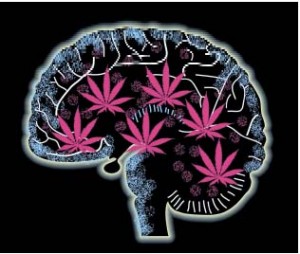
There are now legal medical cannabis programs in 18 states plus Washington, DC, with pot fully legal for adults in two other states. Ironically, however, the actual healing power of the plant has barely been tapped. Smoking marijuana with THC (tetrahydrocannabinol), or better, vaporizing it (using a device to bake the plant material and inhale the active ingredients), has an indisputably palliative effect and can be medically useful for pain relief, calming and appetite stimulation. It already has confirmed benefits against glaucoma, epilepsy and other specific diseases and disorders. It also gets people high. THC triggers cannabinoid receptors in the brain and this produces the sensation of being stoned. These receptors are found in the parts of the brain linked to pleasure, memory, concentration, and time perception.

But, based mostly on research overseas there is an increasing consensus that the medicinal benefits of psychoactive THC pale in comparison to the non-psychoactive cannabidiol (CBD) from the leaves of the same plant–raw and unheated. Depending on the strain, some plants are high in CBD but also contain a lesser amount of THC which is said to enhance the healing potentiality. CBD does not make people feel “stoned” and actually counters some of the effects of THC (for example, suppressing the appetite vs. stimulating it). CBD is beginning to be recognized by researchers at mainstream medical institutions around the world as a potentially very powerful weapon against cancer.
Researchers Sean D. McAllister and Pierre Desprez, who conducted studies of CBD’s effect on cancer cells for California Pacific Medical Center, suggest that these non-psychoactive compounds from the cannabis plant might, in short order, render chemotherapy and radiation distant second and third options for cancer patients. Based on a more recent study, McAllister and Desprez feel that CBD’s “could stop breast cancer from spreading.”
Dr. Donald Abrams, a cancer specialist and professor of integrative medicine at UCSF, conducted early trials involving THC medical cannabis, and now he is excited about the powerful impacts of CBD on cancer cells. The National Cancer Institute was busy researching this in the 1970s, Abrams explains, but restrictions on the use of cannabis for research in the United States resulted in most of the research on this subject disappearing in the U.S., and being picked up in other countries, such as Israel, Spain and Italy. He says existing studies point to a remarkable ability of CBD to arrest cancer cell division, cell migration, metastasis, and invasiveness.
Other studies point to CBD as having great promise as a defense against Alzheimer’s disease. In a 2006 study published in Molecular Pharmaceutics, a team of University of Connecticut researchers reported that cannabis “could be considerably better at suppressing the abnormal clumping of malformed proteins that is a hallmark of Alzheimer’s disease than any currently approved prescription.” The research team predicted that cannabinoid-based medications “will be the new breakout medicine treatments of the near future.”

Medical cannabis has a long history of use, starting in India, and then in China and the Middle East some 6,000 years ago. It came to the West in the 1800s, where it was listed in the U.S. Pharmacopeia until the 1930s. Used for over 100 ailments, cannabis was a favorite of our grandparents for cough remedies, analgesics, and tonics and was available over the counter at every local drugstore as well as companies such as Sears, Roebuck and Co. Banned in 1937 via the Marijuana Tax Act as part of a politically and racially driven prohibition craze, it was gradually removed from the pharmacopeia and research was discouraged and later prohibited via drug scheduling. The FBI linked the herb with insanity and claimed a direct correlation between cannabis and violence, and even death, especially when used by people of color.

Currently, science increasingly recognizes the role that cannabinoids play in almost every major life function in the human body. It wasn’t until 1990 that endocannabinoids, produced by the human body, were discovered to act as a bio-regulatory mechanism for most human life processes and have receptors sites throughout the human body. CB2 receptors are found almost exclusively in the immune system, with the greatest density in the spleen. These CB2 receptors appear to be responsible for the anti-inflammatory and other newly recognized and very significant therapeutic effects of cannabis.
Cannabis medicine has distinct advantages. CBD, as well as THC, can be given in massive doses with no side effects. In fact, it has performed very effectively as an anti-psychotic when given in high doses. CBD selectively targets and destroys tumor cells while leaving normal healthy cells unmolested. On the other hand, chemotherapy and radiation are highly toxic and indiscriminately injure healthy cells in the brain and the body. Industrial hemp is often high in healing CBD and very low in THC. Hemp CBD is a waste product — it’s thrown out by the ton every year when it could easily be harvested for tumor shrinking.
Medical cannabis farm Tikun Olam in Israel has been developing a strain of cannabis that is high in CBD (15.8%) but very low in THC (1%). This new strain is called Avidekel and seems to have the highest CBD to THC ratio of any other variant strain. Zack Klein of Tikun Olam told Reuters: “Sometimes the high is not always what is needed. Sometimes it is an unwanted side effect. For some of the people it’s not even pleasant.”
The THC industry and its users worry that once CBD medicine grows in popularity, the medical badge might be torn from the sticky buds that makes being “stoned” possible. Aside from THC’s significant medical benefits, surely its ability to make people feel happier and less stressed should not be considered without therapeutic value. More likely, all options will thrive, and 1,000 cannabis flowers will blossom: Indica, Sativa, CBD + THC, CBD Only, etc.
Meanwhile, it’s useful to note that since 2003, the U.S. federal government has held a “medical patent” for the marketing of cannabinoids as antioxidants or neuroprotective agents. The patent states that cannabinoids are “useful in the treatment and prophylaxis of wide variety of oxidation associated diseases such as inflammatory and autoimmune diseases. The cannabinoids are found to have particular application as neuroprotectants, for example in limiting neurological damage following ischemic insults, such as stroke and trauma, or in the treatment of neurodegenerative diseases, such as Alzheimer’s disease, Parkinson’s disease and HIV dementia.”
However, stoners may have it all wrong, medically speaking. It is unlikely a person can get a sufficient level of cannabidiol (pronounced kan-nəbə-dī’-ˌȯl) from smoking the raw plant to impact diseases like cancer in a curative manner, says Desprez. The marijuana plant offers many uses, but it may come as a surprise to most users that you have to choose early in a plant’s life if you want it to make you high or to heal you. Research suggests that cannabis is most beneficial when the whole spectrum of cannabinoids are represented, including some THC. It is the ratio of cannabinoids in a specific strain of cannabis that most determines its therapeutic potential. Juicing the cannabis leaves raw, along with some carrots or other green veggies, has proven very beneficial as it involves the ingestion of the acid form of cannabinoids, which are non-psychoactive (even the THC). Cannabis oil also has enthusiastic fans who claim it has cured their cancers.
In India there are still large numbers of people who partake in an ancient practice of having a fresh raw cannabis drink called “Thandai”  in which fresh cannabis leaves are made into a paste along with almonds, milk and sugar. This tasty drink is often consumed at religious festivals, and in some cities the government maintains distribution points for cannabis. A rolled sweet ball with similar ingredients is called “Bhang,” familiar for over a century to many Western seekers walking the ghats of sacred Banaras.
Cannabis edibles in the West are emerging as one of the fastest growing new sectors of the food industry. Dispensaries in 18 states offer such goodies as ice cream, cough drops, peanut butter, honey, saliva tea, and myriad baked goods and savory snacks–all dosed with THC.  Given the huge potential market for non-psychoactive cannabis, the introduction of CBD-rich medicine at the dispensary level has been surprisingly sluggish. Owners have been reluctant to stock CBD-rich strains or edibles because their present customers are seeking —or are not adverse to— cannabis that provides euphoria or sedation. THC content is a known seller. Once the medical benefits of non-psychoactive cannabis become more widely known, one can only imagine the variety and volume of CBD-rich foods that will rush to market.
Smoking, as opposed to vaporization, may be the least effective method of using cannabis as a medicine. But many raw cannabis users are convinced that CBD is the source of medical miracles. Restrictions on research have impacted the accuracy with which we can prescribe cannabis and determine the most effective and least harmful ways to utilize its benefits. Perhaps in the very near future, instead of smoking cannabis to reduce nausea from chemotherapy, cancer patients will be consuming raw non-psychoactive cannabis, and be healed without having to suffer the additional damage of radiation and chemotherapy at all.

Allan Badiner is a writer, activist, and editor of three books: Dharma Gaia: A Harvest of Essays in Buddhism and Ecology, Zig Zag Zen: Buddhism and Psychedelics, and Mindfulness in the Marketplace: Compassionate Responses to Consumerism.

Exotic Fungus Creates Zombie Ants

Exotic Fungus Creates Zombie Ants

In a bizarre parasitic death sentence, a fungus turns carpenter ants into the walking dead and gets them to die in a spot that’s perfect for the fungus to grow and reproduce.

Scientists have no clue how the fungus takes control of the brains of ants so effectively. But a new study in the September issue of the American Naturalist reveals an incredible set of strategies that ensue.

The carpenter ants nest high in the canopy of a forest in Thailand, and they trek to the forest floor to forage. The fungus, Ophiocordyceps unilateralis, prefers to end up on the undersides leaves sprouting from the northwest side of plants that grow on the forest floor, the new study showed. That’s where temperature, humidity and sunlight are ideal for the fungus to grow and reproduce and infect more ants.

Once infected by the fungus, an ant is compelled to climb down from the canopy to the low leaves, where it clamps down with its mandibles just before it dies.

“The fungus accurately manipulates the infected ants into dying where the parasite prefers to be, by making the ants travel a long way during the last hours of their lives,” said study leader David P. Hughes of Harvard University.

After the ant dies, the fungus continues to grow inside it. By dissecting victims, Hughes and colleagues found that the parasite converts the ant’s innards into sugars that help the fungus grow. But it leaves the muscles controlling the mandibles intact to make sure the ant keeps its death grip on the leaf.

The fungus also preserves the ant’s outer shell, growing into cracks and crevices to reinforce weak spots, thereby fashioning a protective coating that keeps microbes and other fungi out.

“The fungus has evolved a suite of novel strategies to retain possession of its precious resource,” Hughes said.

After a week or two, spores from the fungus fall to the forest floor, where other ants can be infected.

Making nests in the forest canopy might be an evolved ant strategy to avoid infection, Hughes figures. The ants also seem to avoid foraging under infected areas. This too might be an adaptive strategy to avoid infection, but more study is needed to confirm it, he said.

How the fungus controls ant behavior remains unknown. “That is another research area we are actively pursuing right now,” Hughes said.

via LiveScience


Attack of the killer fungi – Planet Earth – BBC

Dr. Susan Kolb – Brilliant – Listen To What She Has To Say!

Dr. Susan Kolb – Brilliant – Listen To What She Has To Say!

Susan E. Kolb M.D., F.A.C.S. is the founder of Plastikos Surgery Center and Millennium Healthcare in Atlanta, Georgia. She is a recognized authority on energy healing and spiritual medicine as well as one of Atlanta’s leading plastic surgeons. Dr. Kolb incorporates holistic, spiritual, Traditional Chinese Medicine and the teachings of ancient healers into her modern surgery practice.

http://www.plastikos.com/
http://www.plastikos.com/dr_kolb.htm
http://www.thenakedtruthaboutbreastimplants.com/

Our special guest on Decrypted Matrix Radio Show on Revealing Talk Radio, November 16, 2012. Midnight EST / 9pm PST.

‘Proof of Heaven’ Documents Existence of Afterlife, Multiverse, Intelligent Life Beyond Earth & Multidimensional Realities

‘Proof of Heaven’ Documents Existence of Afterlife, Multiverse, Intelligent Life Beyond Earth & Multidimensional Realities

There’s a secret that’s much bigger than politics, health freedom, science or even the entire history of the human race. That secret remains entirely unacknowledged — even condemned — by the scientific community, and yet it is the single most important secret about everything that is. Yes, everything.

That secret is simply this: We all survive the physical death of our bodies. Our consciousness lives on, and upon our death in this Earthly dream, our consciousness transcends this physical reality and experiences an existence so amazing and powerful that the human language cannot even begin to describe it.

This is the message from Dr. Eben Alexander, author of the newly-published book, “Proof of Heaven.” I recently read the book and found it both fascinating and also confirming of several important theories I’ve been developing about the nature of life and the Creator. (See below.)

A lifelong science skeptic who never believed in God, Heaven or consciousness

Long before this book was ever written, Dr. Alexander was a practicing neurosurgeon and a lifelong “science skeptic.” He did not believe in consciousness, free will or the existence of a non-physical spirit. Trained in western medical school and surrounded by medical colleagues who are deeply invested in the materialism view of the universe, Dr. Alexander believed that so-called “consciousness” was only an illusion created by the biochemical functioning of the brain.

This is a view held by virtually all of today’s mainstream scientists, including physicists like Stephen Hawking who say that human beings are nothing more than “biological robots” with no consciousness and no free will.

Dr. Alexander would have held this view to his own death bed had it not been for his experiencing an event so bizarre and miraculous that it defies all conventional scientific explanation: Dr. Alexander “died” for seven days and experienced a vivid journey into the afterlife. He then returned to his physical body, experienced a miraculous healing, and went on to write the book “Proof of Heaven.”

E.coli infection eats his brain

It all started when e.coli bacteria infected Dr. Alexander’s spinal fluid and outer cerebrum. The e.coli began to literally eat his brain away, and he went into an extremely violent fit of seizures, verbal outbursts and muscular spasms before lapsing into a brain-dead coma.

In this coma, he showed zero higher brain activity and was only kept alive via a respirator and IV fluids. The attending physicians soon concluded that Dr. Alexander would die within a matter of days, and that even if he lived, he would be a non-functioning “vegetable” with limited brain function. Statistically, the death rate for patients with e.coli infections of the brain is 97%.

But here’s the real shocker in all this: Rather than experiencing nothingness during these seven earth-days of unconsciousness, Dr. Alexander found himself “awakening” from the dream of his earthly life, suddenly experiencing an incomprehensibly vast expansion of his consciousness in the afterlife.

This experience is described in more detail in his book “Proof of Heaven,” but here are the highlights:

• The experience of the afterlife was so “real” and expansive that the experience of living as a human on Earth seemed like an artificial dream by comparison.

• There was no time dimension in the afterlife. Time did not “flow” as it does in our universe. An instant could seem like eternity, and consciousness could move through what we perceive to be time without effort. (This idea that all time exists simultaneously has enormous implications in understanding the nature of free will and the multiverse, along with the apparent flow of time experienced by our consciousness in this realm.)

• The fabric of the afterlife was pure LOVE. Love dominated the afterlife to such a huge degree that the overall presence of evil was infinitesimally small.

• In the afterlife, all communication was telepathic. There was no need for spoken words, nor even any separation between the self and everything else happening around you.

• The moment you asked a question in your mind, the answers were immediately apparent in breathtaking depth and detail. There was no “unknown” and the mere asking of a question was instantly accompanied by the appearance of its answers.

• There also exists a literal Hell, which was described by Dr. Alexander as a place buried underground, with gnarled tree roots and demonic faces and never-ending torment. Dr. Alexander was rescued from this place by angelic beings and transported to Heaven.

God acknowledges the existence of the multiverse

The passage of “Proof of Heaven” I found most interesting is found on page 48, where Dr. Alexander says:

Through the Orb, [God] told me that there is not one universe but many — in fact, more than I could conceive — but that love lay at the center of them all. Evil was present in all the other universes as well, but only in the tiniest trace amounts. Evil was necessary because without it free will was impossible, and without free will there could be no growth — no forward movement, no chance for us to become what God longed for us to be. Horrible and all-powerful as evil sometimes seemed to be in a world like ours, in the larger picture love was overwhelmingly dominant, and it would ultimately be triumphant.

This passage struck an important cord with me, as I have long believed our universe was created by the Creator as just one of an infinite number of other universes, each with variations on life and the laws of physics. (Click here to read my writings on the Higgs Boson particle, consciousness and the multiverse.) What Dr. Alexander’s quote confirms is that our life on planet Earth is a “test” of personal growth, and that the way to make progress in this test is to overcome evil while spreading love and compassion.

Even more, this passage also confirms the existence of free will and even helps answer the question I’m often asking myself: “Why are we placed here in a world of such evil and surrounded by ignorance, darkness and deception?” The answer appears to be that Earth is a testing ground for souls that have been selected by the Creator for the ultimate test of good versus evil.

Earth as a testing ground

Although “Proof of Heaven” doesn’t go as far as I’m explaining here, my working theory is that our planet Earth is among the highest evil-infested realms in the grand multiverse. Only the most courageous souls agree to come to Earth by being born into human bodies and stripped of their memories.

From there, the challenge of life is multi-faceted:

1) Figure out WHO you are and WHY you are here.
2) Learn to recognize and overcome EVIL (tyranny, slavery, oppression, Big Government, etc.).
3) Learn to spread love, compassion, healing and knowledge.

Upon our death, we are judged by a higher power, and that judgment takes into account our performance in these areas. Did we achieve a measure of self-awareness? Did we work to overcome evil? Did we express love and compassion and help uplift others with knowledge and awareness?

As you’ve probably already figured out, the vast majority of humans fail these tests. They die as bitter, selfish, substance-addicted, greed-driven minions of evil who mistakenly thought they were winning the game of life while, in reality, they were losing the far more important test of the Creator.

The most important part about living a human life is not acquiring money, or fame, or power over others but rather achieving a high “score” in this simulation known as “life” by resisting evil, spreading love and expanding awareness of that which is true.

For those who respect life, who practice humility and self awareness, who seek to spread knowledge and wisdom while resisting tyranny, oppression, ignorance and evil, their souls will, I believe, be selected for special tasks in the greater multiverse. That’s the “real” existence. This Earthly life is only a dream-like simulation where your soul interfaces with the crude biology of our planet for a very short time span that’s actually the blink of an eye in the larger picture.

In reality, you are much more than your body. In fact, your soul is infinitely more aware, intelligent and creative than what can be experienced or expressed through the brain of a human. Trying to experience the full reality of what you are through the limited physical brain matter of a human being is a lot like trying to teach an insect to compose music like Mozart.

The multiverse is teeming with intelligent life, including multidimensional beings

Dr. Alexander’s journey also confirms the existence of intelligent life far beyond Earth. As he explains in Proof of Heaven:

I saw the abundance of life throughout the countless universes, including some whose intelligence was advanced far beyond that of humanity. I saw that there are countless higher dimensions, but that the only way to know these dimensions is to enter and experience them directly. They cannot be known, or understood, from lower dimensional space. From those higher worlds one could access any time or place in our world.

This not only confirms the existence of other intelligent civilizations throughout our known universe, but more importantly the existence of multidimensional beings who can come and go from our realm as they please.

Throughout the cultures of the world, there are countless accounts of advanced beings visiting Earth, transferring technology to ancient Earth civilizations, and possibly even interbreeding with early humans. Even the very basis of Christianity begins with the idea that an omnipresent multidimensional being (God) can intervene at will, and can therefore transcend time and space.

Alternative researchers like David Icke also talk about multidimensional beings visiting Earth and infecting the planet with great evil. According to Icke, the globalist controllers of our planet are literally reptilian shape-shifters who have invaded our world for the purpose of controlling and enslaving humanity. Although nothing like this is covered in Dr. Alexander’s book, it is not inconsistent with what Dr. Alexander was told by God during his coma… Namely, that there are multidimensional realities, that certain high-vibration beings can traverse those realities at will, and that Earth is infested with a great evil with the specific purpose of testing our character.

If all this sounds a little too spooky for you, consider the words of the Bible itself: An upright talking reptilian snake spoke in audible words to Adam and Even in the Garden of Eden, did it not?

The science skeptics are wrong (again)

Regardless of what you might think about multidimensional beings, intelligent life beyond Earth, and the existence of great evil on our planet, there’s one aspect of all this that’s crystal clear: The science skeptics are dead wrong.

Science “skeptics” are actually misnamed. They aren’t skeptical at all. They simply follow their own religion with its own sacred beliefs that cannot be questioned… ever! Those beliefs include the utter worship of the materialistic view of the universe. Simultaneously, so-called “skeptics” do not believe they are conscious beings themselves because they believe consciousness is merely an “artifact” of biochemical brain function.

There is no afterlife, they insist. There is no mind-body medicine, the placebo effect is useless, and there’s no such thing as premonition, remote viewing or psychic phenomena. Oh yes, and they also insist that injecting yourself with mercury, MSG and formaldehyde via vaccines is actually good for you, that fluoride chemicals are good for the public health and that we should all eat more GMOs, pesticides and synthetic chemicals.

It’s no surprise these religious cult members of the “scientism” cult don’t believe in an afterlife. That’s what allows them to commit genocidal crimes against the human race today via GMOs, experimental medicine, toxic vaccines and other deadly pursuits. In their view, humans have no souls so killing them is of no consequence.

As Dr. Alexander says,

Certain members of the scientific community, who are pledged to the materialistic worldview, have insisted again and again that science and spirituality cannot coexist. They are mistaken.

Well of course they are. The “science skeptics” are dead wrong about almost everything they claim to advocate. But their biggest mistake of all is in denying the existence of their own souls. Needless to say, they are all going to fail the human experience simulation once they pass on and face judgment. My, what a surprise that will be for those sad souls when they day arrives…

I would hate to face God one day after having lived a life of a science skeptic, and then have God ask the question: “You doubted ME?” How could anyone take a look at the world around them and not see the signs of an intelligent Creator? Even the very laws of physics have been tweaked and fine-tuned in precisely the right balance so that our universe itself can support the formation of stars, and planets, and carbon-based life forms. This is called the “Goldilocks Enigma,” and there’s a wonderful book by that same name written by Paul Davies.

No biochemical explanation for Dr. Alexander’s experience

For those skeptics who may be reading this, Dr. Alexander goes through nine possible biochemical hypotheses for his experiences and then meticulously and scientifically dismisses them all one by one. The result? His experience was REAL. In fact, it was “more real” than life as a human being.

Remember, Dr. Alexander is a neurosurgeon. This guy knows the physical brain like no one else. The nine medical explanations he considers and dismisses as possible causes for his experience are:


1) Primitive brainstem program.
2) Distorted recall of memories from the limbic system.
3) Endogenous glutamate blockade with excitotoxicity.
4) DMT dump.
5) Isolated preservation of cortical regions of the brain.
6) Loss of inhibitory neurons leading to highly levels of activity among excitatory neuronal networks to generate an apparent “ultra-reality.”
7) Activation of thalamus, basal ganglia and brainstorm to create a hyper-reality experience.
8) Reboot phenomenon.
9) Unusual memory generation through archaic visual pathways.

Dr. Alexander may be the most credible afterlife witness in the history of humanity

Dr. Alexander’s experience (and subsequent book) is arguably the best-documented case of the afterlife that exists in western science today. The fact that a vivid, hyper-real afterlife was experienced by a science skeptic materialistic brain surgeon who didn’t believe in the afterlife — and who subsequently found the courage to document his experiences and publish them in a book — adds irrefutable credibility to the experience.

This was not some kook seeking fame on a TV show. In fact, his writing this book earned him endless ridicule from his former “scientific” colleagues. There was every reason to NOT write this book. Only by the grace of God was Dr. Alexander healed of his e.coli infection, restored to normal brain function, and granted the VISION of the afterlife so that he could return to this realm and attempt to put it into words.

Personally, I believe Dr. Alexander, and his experience mirrors that of countless others, across every culture, who have reported similar NDEs (Near Death Experiences). There is life after life, and the shift in consciousness of Earthlings that is required to take our species to a higher level of understanding begins, I believe, with embracing the truth of the immortality of our own souls (and the existence of a grand Creator).

What does it all mean?

Dr. Alexander’s spiritual journey gives us a wealth of information that can help provide meaning and purpose in our daily lives.

For starters, it means that all our actions are recorded in the cosmos and that there are no secrets in the larger scope of things. You cannot secretly screw somebody over here on Earth and think it won’t be recorded on your soul forever. It also means that all our actions will be accounted for in the afterlife. If this message sounds familiar, that’s because an identical idea is the pillar of every major world religion, including Christianity.

It also means there are people living today on this planet whose souls will literally burn in eternal Hell. There are others whose souls, like Dr. Alexander, will be lifted into Heaven and shown a greater reality. What we choose to do with our lives each and every day determines which path our souls will take after the passing of our physical bodies.

What matters, then, is not whether you actually succeed in defeating evil here on Earth, but rather the nature of your character that emerges from all the challenges and tribulations you face. This is all a test, get it? That’s why life seems to suck sometimes. It’s not a panacea; it’s a testing ground for the most courageous souls of all — those who wish to enter the realm of great evil and hope they can rise above it before the end of their human lifespan.

Psychic Protection: Immunise Yourself Against Negative Energy

Psychic Protection: Immunise Yourself Against Negative Energy

Have you ever entered an empty room, or office, and felt “uncomfortable”? Feeling perhaps quite happy to get out of that room, or office, as soon as possible? Maybe you have found somewhere that feels “bad” at one time yet feels “okay” at another time? This could be where we work, live, or somewhere we are visiting or passing through.

What about people? Do you know anyone who seems to have a “negative” aura? When­ever you are near them you feel more depressed, angry or fearful, than you normally do? How about the opposite? Do you know anyone who seems to make you feel better just by being around you, not even needing to say anything to you to improve things?

Apart from feeling worse around certain people and/or in certain places, do you find that you sometimes lose a lot of energy (psychic draining) in these circumstances? Do you have a problem with such things as insomnia, poor sleep, nightmares or low energy levels? Perhaps you are constantly lacking in energy? Maybe being diagnosed as having chronic fatigue? Or maybe you always seem to be getting colds, illnesses or other problems?

If the answer is “yes” then chances are you may be under intentional, or unintentional, negative psychic influence. What some people call being under psychic attack. Can anything be done about such situations? Yes, psychic protection is what one can learn to counter such things. Before talking about psychic protection however, we may wonder what it is and how it works.To better understand this, we need to understand these negative influences. Put simply they are usually categorised into two types. Thought energies (or if they have a shape – thoughtforms) and negative spirit influence. Now, you may instantly think I am talking about dead people. I am not. We are all “spirits”. Some of us are physically alive and some of us aren’t. We do not become a spirit when we physically die. We are already one.

One may also say, “But I cannot see/hear spirits. This is proof they don’t exist.” Well, I cannot see radio or television waves in this room. Does that mean they aren’t here? I wouldn’t think so. Much the same as hearing. I cannot hear a dog whistle. But dogs can! It would be rather foolish for me to conclude such a whistle made no noise simply on the grounds that “I didn’t hear it.”

Negative thought energies are created by someone (dead or alive) thinking negative thoughts, e.g. anger, hatred, fear etc. If the person is thinking these thoughts about us then they are automatically projected in our direction. In addition, as negative spirits are attracted to negative energy these people will often accompany the energies. Particularly if this is done “formally”, i.e., a spell.

Fortunately, there is defense against these things. Positive energies will dissolve negative ones, and we can arrange for positive spirits to help protect us against negative ones. There is nothing particularly profound about it. To cancel out a fire, water is a good response. The principle of using the opposite response to a spell is along the same lines.

The negative thought content of a spell, or any other form of psychic attack, can be “cancelled out” by directing a positive thoughtform of the same, or greater, strength at it. When they meet, the negative thoughtform will dissolve. This can be achieved by such things as prayer, visualisation, etc. A common example of the latter is to imagine you are surrounded by a “protective” bubble of light. One can also imagine oneself being a hot ball of light. Like the sun. Radiating a hot, bright, light outwards.

The effect of negative entities can be “can­celled out” by positive entities of the same, or greater, strength. If the positive spirits predominate then many of the negative entities can be “cleared” (permanently) to spirit worlds.

Getting help from positive spirits is arranged by requesting it. Prayer in other words. It should be remembered we can do more than arrange “protection” this way. A good wording for such a prayer, and a list of recommended approaches is at http://home.vicnet.net.au/~johnf/aprayer.htm

Here is an example:

“I ask the Divine Light Forces (Forces of God) for…

(1) Protection against all that is not of the light (alive and dead).

(2) Healing on all levels

(3) Guidance with my life. Especially in the area of ____________________ e.g. knowing what I should be doing spiritually, help with becoming a channel for love, light, healing, guidance and inspiration. Preparing for meetings and/or seminars etc.

(4) Divine love, light and healing en­ergies to go to __________________ (people we live/work with) as well as all who are working against our spiritual progression.

Other points worth noting :

    1. There are some interesting books that can be purchased on this topic including a booklet I have written. The authors range from psychics to medical doctors, psychologists, psychiatrists, etc. There is a list of some of the books primarily related to the topic of psychic protection on my web site.
    2. Light coloured clothes tend to en­courage light coloured energies. For best health never wear dark colours.
    3. If someone is currently sending you negative effects, as in a spell, then you need to direct light, etc. to them constantly until you feel they have stopped. If you “clear” yourself today then there is no reason why they cannot dump you with new discordant energies tomorrow!
    4. Negative thinking/emotions such as anger, fear, etc. weakens our aura and reduces our “protection”. Positive thinking/emotions such as love, etc. strengthen our aura and improves our “protection”.
    5. Keep in mind that things take time. Some people think praying for one night and imagining white light around them for five minutes will solve all their problems. This is unlikely. Suppose discordant effect had built up around you and/or your house for ten years. Do you think it reasonable to expect it to go in five minutes? Think of it this way. If you had a blow torch could you melt an ice­berg? The answer is, of course, yes, but it would take more than five minutes!

About the Author

John Fitzsimons has been teaching in the areas of past lives, healing, mediumship, psychic protection, etc. since the 1970s. He does individual healing as well as counselling and conducts classes, meetings and seminars. He can be contacted via Aspects Pty Ltd, PO Box 5171, Clayton, Victoria 3168 or via his web page at:

http://home.vicnet.net.au/~johnf/welcome.htm


Quantum Measurements Leave Schrödinger’s Cat Alive

Quantum Measurements Leave Schrödinger’s Cat Alive

Schrödinger’s cat, the enduring icon of quantum mechanics, has been defied. By making constant but weak measurements of a quantum system, physicists have managed to probe a delicate quantum state without destroying it – the equivalent of taking a peek at Schrodinger’s metaphorical cat without killing it. The result should make it easier to handle systems such as quantum computers that exploit the exotic properties of the quantum world.

Quantum objects have the bizarre but useful property of being able to exist in multiple states at once, a phenomenon called superposition. Physicist Erwin Schrödinger illustrated the strange implications of superposition by imagining a cat in a box whose fate depends on a radioactive atom. Because the atom’s decay is governed by quantum mechanics – and so only takes a definite value when it is measured – the cat is, somehow, both dead and alive until the box is opened.

Superposition could, in theory, let quantum computers run calculations in parallel by holding information in quantum bits. Unlike ordinary bits, these qubits don’t take a value of 1 or 0, but instead exist as a mixture of the two, only settling on a definite value of 1 or 0 when measured.

But this ability to destroy superpositions simply by peeking at them makes systems that depend on this property fragile. That has been a stumbling block for would-be quantum computer scientists, who need quantum states to keep it together long enough to do calculations.

Gentle measurement

Researchers had suggested it should be possible, in principle, to make measurements that are “gentle” enough not to destroy the superposition. The idea was to measure something less direct than whether the bit is a 1 or a 0 – the equivalent of looking at Schrödinger’s cat through blurry glasses. This wouldn’t allow you to gain a “strong” piece of information – whether the cat was alive or dead – but you might be able to detect other properties.

Now, R. Vijay of the University of California, Berkeley, and colleagues have managed to create a working equivalent of those blurry glasses. “We only partially open the box,” says Vijay.

The team started with a tiny superconducting circuit commonly used as a qubit in quantum computers, and put it in a superposition by cycling its state between 0 and 1 so that it repeatedly hit all the possible mixtures of states.

Next, the team measured the frequency of this oscillation. This is inherently a weaker measurement than determining whether the bit took on the value of 1 or 0 at any point, so the thought was that it might be possible to do this without forcing the qubit to choose between a 1 or a 0. However, it also introduced a complication.

Quantum pacemaker

Even though the measurement was gentle enough not to destroy the quantum superposition, the measurement did randomly change the oscillation rate. This couldn’t be predicted, but the team was able to make the measurement very quickly, allowing the researchers to inject an equal but opposite change into the system that returned the qubit’s frequency to the value it would have had if it had not been measured at all.

This feedback is similar to what happens in a pacemaker: if the system drifts too far from the desired state, whether that’s a steady heartbeat or a superposition of ones and zeros, you can nudge it back towards where it should be.

Vijay’s team was not the first to come up with this idea of using feedback to probe a quantum system, but the limiting factor in the past had been that measurements weak enough to preserve the system gave signals too small to detect and correct, while bigger measurements introduced noise into the system that was too big to control.

Error correction

Vijay and colleagues used a new kind of amplifier that let them turn up the signal without contaminating it. They found that their qubit stayed in its oscillating state for the entire run of the experiment. That was only about a hundredth of a second – but, crucially, it meant that the qubit had survived the measuring process.

“This demonstration shows we are almost there, in terms of being able to implement quantum error controls,” Vijay says. Such controls could be used to prolong the superpositions of qubits in quantum computing, he says, by automatically nudging qubits that were about to collapse.

The result is not perfect, points out Howard Wiseman of Griffith University in Brisbane, Australia, in an article accompanying the team’s paper. “But compared with the no-feedback result of complete unpredictability within several microseconds, the observed stabilization of the qubit’s cycling is a big step forward in the feedback control of an individual qubit.”

Journal reference: Nature, DOI: 10.1038/nature11505

via NewScientist

Cancer Killer: Sour Sop Fruit 10,000 Times Stronger Than Chemo-Therapy

Cancer Killer: Sour Sop Fruit 10,000 Times Stronger Than Chemo-Therapy

The Sour Sop or the fruit from the graviola tree is a miraculous natural cancer cell killer 10,000 times stronger than Chemo.

Why are we not aware of this?

Its because some big corporation want to make back their money spent on years of research by trying to make a synthetic version of it for sale.

So, since you know it now you can help a friend in need by letting him know or just drink some sour sop juice yourself as prevention from time to time. The taste is not bad after all. It’s completely natural and definitely has no side effects. If you have the space, plant one in your garden.
The other parts of the tree are also useful.

The next time you have a fruit juice, ask for a sour sop.

How many people died in vain while this billion-dollar drug maker concealed the secret of the miraculous Graviola tree?

This tree is low and is called graviola ! in Brazi l, guanabana in Spanish and has the uninspiring name “soursop” in English. The fruit is very large and the subacid sweet white pulp is eaten out of hand or, more commonly, used to make fruit drinks, sherbets and such.

The principal interest in this plant is because of its strong anti-cancer effects. Although it is effective for a number of medical conditions, it is its anti tumor effect that is of most interest. This plant is a proven cancer remedy for cancers of all types.

Besides being a cancer remedy, graviola is a broad spectrum antimicrobial agent for both bacterial and fungal infections, is effective against internal parasites and worms, lowers high blood pressure and is used for depression, stress and nervous disorders.

If there ever was a single example that makes it dramatically clear why the existence of Health Sciences Institute is so vital to Americans like you, it’s the incredible story behind the Graviola tree..

The truth is stunningly simple: Deep within the Amazon Rainforest grows a tree that could literally revolutionize what you, your doctor, and the rest of the world thinks about cancer treatment and chances of survival. The future has never looked more promising.

Research shows that with extracts from this miraculous tree it now may be possible to:
* Attack cancer safely and effectively with an all-natural therapy that does not cause extreme nausea, weight loss and hair loss
* Protect your immune system and avoid deadly infections
* Feel stronger and healthier throughout the course of the treatment
* Boost your energy and improve your outlook on life

The source of this information is just as stunning: It comes from one of America ‘s largest drug manufacturers, th! e fruit of over 20 laboratory tests conducted since the 1970’s! What those tests revealed was nothing short of mind numbing… Extracts from the tree were shown to:

* Effectively target and kill malignant cells in 12 types of cancer, including colon, breast, prostate, lung and pancreatic cancer..
* The tree compounds proved to be up to 10,000 times stronger in slowing the growth of cancer cells than Adriamycin, a commonly used chemotherapeutic drug!
* What’s more, unlike chemotherapy, the compound extracted from the Graviola tree selectivelyhunts
down and kills only cancer cells.. It does not harm healthy cells!

The amazing anti-cancer properties of the Graviola tree have been extensively researched–so why haven’t you heard anything about it? If Graviola extract is

One of America ‘s biggest billion-dollar drug makers began a search for a cancer cure and their research centered on Graviola, a legendary healing tree from the Amazon Rainforest.

Various parts of the Graviola tree–including the bark, leaves, roots, fruit and fruit-seeds–have been used for centuries by medicine men and native Indi! ans in S outh America to treat heart disease, asthma, liver problems and arthritis. Going on very little documented scientific evidence, the company poured money and resources into testing the tree’s anti-cancerous properties–and were shocked by the results. Graviola proved itself to be a cancer-killing dynamo.
But that’s where the Graviola story nearly ended.

The company had one huge problem with the Graviola tree–it’s completely natural, and so, under federal law, not patentable. There’s no way to make serious profits from it.

It turns out the drug company invested nearly seven years trying to synthesize two of the Graviola tree’s most powerful anti-cancer ingredients. If they could isolate and produce man-made clones of what makes the Graviola so potent, they’d be able to patent it and make their money back. Alas, they hit a brick wall. The original simply could not be replicated. There was no way the company could protect its profits–or even make back the millions it poured into research.

As the dream of huge profits evaporated, their testing on Graviola came to a screeching halt. Even worse, the company shelved the entire project and chose not to publish the findings of its research!

Luckily, however, there was one scientist from the Graviola research team whose conscience wouldn’t let him see such atrocity committed. Risking his career, he contacted a company that’s dedicated to harvesting medical plants from the Amazon Rainforest and blew the whistle.

Miracle unleashed
When researchers at the Health Sciences Institute were alerted to the news of Graviola,! they be gan tracking the research done on the cancer-killing tree. Evidence of the astounding effectiveness of Graviola–and its shocking cover-up–came in fast and furious….

….The National Cancer Institute performed the first scientific research in 1976. The results showed that Graviola’s “leaves and stems were found effective in attacking and destroying malignant cells.” Inexplicably, the results were published in an internal report and never released to the public…

….Since 1976, Graviola has proven to be an immensely potent cancer killer in 20 independent laboratory tests, yet no double-blind clinical trials–the typical benchmark mainstream doctors and journals use to judge a treatment’s value–were ever initiated….

….A study published in the Journal of Natural Products, following a recent study conducted at Catholic University of South Korea stated that one chemical in Graviola was found to selectively kill colon cancer cells at “10,000 times the potency of (the commonly used chemotherapy drug) Adriamycin…”

….The most significant part of the Catholic University of South Korea report is that Graviola was shown to selectively target the cancer cells, leaving healthy cells untouched. Unlike chemotherapy, which indiscriminately targets all actively reproducing cells (such as stomach and hair cells), causing the often devastating side effects of nausea and hair loss in cancer patients.

…A study at Purdue University recently found that leaves from the Graviola tree killed cancer cells among six human cell lines and were especially effective against prostate, pancreatic and lung cancers Seven years of silence broken.

Share this information
Save Someone’s Life.
Share this as much as you can.♥

How Sugar May Make You Stupid

How Sugar May Make You Stupid

Bad news sugar lovers: a diet high in fructose won’t just make you fat, it may also make you stupid, according to research out of California.

A steady high-fructose diet disrupts the brain’s cognitive abilities, leading to poor learning and memory retention, says a study by Fernando Gomez-Pinilla, a neurosurgery professor at the David Geffen School of Medicine at UCLA and Rahul Agrawal, a visiting UCLA postdoctoral fellow from India.

“This type of diet. . . (affects) the transmission of information across cells. . . learning and memory and practically any type of brain function depends very much on how transmission is transported across cells,” Gomez-Pinilla said in an interview with the Star.

Health concerns

Their study, published in the May 15 edition of the Journal of Physiology, looked at high sugar consumption, focusing less on naturally occurring fructose in fruits and more on the fructose in high-fructose corn syrup.

Research has already proven a high-fructose diet leads to a slew of health concerns, including obesity, diabetes and fatty liver.

The U.S. is the world’s largest consumer of sweeteners.

High-fructose corn syrup, which acts as a preservative and sweetener, is found in a variety of processed foods, from soft drinks and baby food to salad dressings and condiments.

The average American consumes approximately 21 kilograms of cane sugar and 16 kilograms of high-fructose corn syrup annually, according to the U.S. Department of Agriculture.

Role of fatty acids

Gomez-Pinilla and Agrawal studied two groups of rats, both of which drank a fructose solution in their drinking water for six weeks. One of the groups also consumed omega-3 fatty acids, from flaxseed oil and a DHA (docosahexaenoic acid) capsule. Omega-3 fatty acids have been found to guard against heat disease, high cholesterol and mental conditions such as bipolar disorder and depression, according to the University of Maryland Medical Center.

Both rat groups were trained on a maze for five days before starting their new diet. After six weeks, Gomez-Pinilla and Agrawal retested the rats on the maze to monitor brain function and memory retention, noting the rats that consumed the fructose solution without the omega-3 fatty acids had problems with how they were able to think and recall routes in the maze.

Those rats also showed a resistance to insulin, a hormone that regulates sugar levels in the body.

“Rats fed on a (omega-3 fatty acids) deficient diet showed memory deficits in a Barnes maze, which were further exacerbated by fructose take,” the authors write.

They found that a rich diet of omega-3 fatty acids counteracted the negative affects of fructose.

Implications for humans

In terms of humans, Gomez-Pinilla predicts such changes in the brain to happen within six months to a year.

“The implication(s) here (are) the high consumption and the chronic consumption for man,” Gomez-Pinilla said, adding research needs to be done on the specific affects on humans.

“We don’t know yet how long (the damage) can last.”

The war on unhealthy food choices is a growing. In September, New York City announced it would ban sugar-filled drinks larger than 16-ounces from concession and fast-food stands, restaurants and movie theatres.

In Canada, a push on healthy eating is on the rise as the country grapples with the fact that 31.5 per cent of Canadian children aged 5 to 17 are either overweight or obese, according to a Statistics Canada report released in September.

“Diabetes is very prevalent in western society. It’s known already there is an (epidemic) of diabetes, which is highly related to a consumption of foods high in sugar,” Gomez-Pinilla said.

Gomez-Pinilla advocates a nutrient-rich diet that includes omega-3 fatty acids and a proper mix of healthy choices to offset the dangers of fructose.

Foods that are rich in omega-3 fatty acids include flax-seed oil, some types of fish, such as salmon, and nuts.


SUGAR – THE BITTER TRUTH

NEW series with Dr. Lustig “The Skinny on Obesity” http://www.uctv.tv/skinny-on-obesity. Robert H. Lustig, MD, UCSF Professor of Pediatrics in the Division of Endocrinology, explores the damage caused by sugary foods. He argues that fructose (too much) and fiber (not enough) appear to be cornerstones of the obesity epidemic through their effects on insulin. Series: UCSF Mini Medical School for the Public [7/2009] [Health and Medicine] [Show ID: 16717]

More videos about sugar: http://www.uctv.tv/sugar


“BIG SUGAR” SWEET, WHITE & DEADLY

Documentary about Big Sugar, from it’s early days with ties to slavery to modern times with it’s detrimental effects on the everglades and political ties. This is both part 1 and part 2. Written & Directed by: Brian McKenna. Produced by: Galafilm in 2005.

As good as this is, it barely touches on the negative effects it has on Florida residents, poisoning the water supply, endangering animals and plant species etc…

How Cannabinoids May Slow Brain Aging

How Cannabinoids May Slow Brain Aging

Stoners aren’t known for their memory prowess but a new review suggests that drugs similar to marijuana’s active ingredients may hold promise for preventing— or even reversing— brain aging and possibly Alzheimer‘s and other degenerative brain diseases.

Since the mid 2000′s researchers have been building an appreciation for the power of marijuana-like substances that make up the brain’s cannabinoid systems. In animal experiments, for example, synthetic compounds similar to THC—marijuana’s main psychoactive component—have shown promise in preserving brain functions. A 2008 study even demonstrated that a THC-like substance reduced brain inflammation and improved memory in older rats.

The latest review, published in Philosophical Transactions of the Royal Society B, suggests that activating the brain’s cannabinoid system may trigger a sort of anti-oxidant cleanse, removing damaged cells and improving the efficiency of the mitochrondria, the energy source that powers cells, ultimately leading to a more robustly functioning brain.

Previous studies have linked cannabinoids to increased amounts of brain-derived neurotrophic factor (BDNF), a substance that protects brain cells and promotes the growth of new ones. Since new cell growth slows or stops during aging, increasing BDNF could potentially slow the decline in cognitive functions.

Activation of cannabinoid receptors can also reduce brain inflammation in several different ways, which may in turn suppress some of the disease processes responsible for degenerative brain diseases such as Alzheimer’s.

Andras Bilkei-Gorzo of the Institute of Molecular Psychiatry at the University of Bonn in Germany and an author of the study, is encouraged by the expanding knowledge of the brain’s cannabinoid system and its potential for leading to new understanding of aging in the brain. “[C]annabinoid system activity is neuroprotective,” he wrote, and increasing it “could be a promising strategy for slowing down the progression of brain aging and for alleviating the symptoms of neurodegenerative disorders.”

Still, Gary Wenk, professor of neuroscience, immunology and medical genetics at Ohio State University, who conducted some of the research Bilkei-Gorzo included in the review, is aware of the delicate nature of cannabinoid research, given the controversial nature of medical marijuana issues. “The literature is a mess and he’s done a nice job organizing it,” he says. “He was positive about developing cannabinoid drugs without going overboard.”

Other studies covered in the review showed that mice bred to lack the cannabinoid receptors have better memories early in life but have more rapid cognitive decline as they age, including inflammation in the hippocampus, a key region for memory. “This finding suggests that, at some point during aging, cannabinoid activity helps maintain normal cognitive functions in mice,” says Daniele Piomelli, professor of neurobiology, anatomy and biological chemistry at the University of California – Irvine, who was not associated with the study.

Piomelli cautions that the review doesn’t support the idea of using marijuana to improve brain aging among the elderly, not least because of its psychoactive effects. “This is definitely an important area of investigation but we are still far from a consensus,” he says.

Moreover, some of the research covered in the review had conflicting results. Although three clinical trials studied cannabinoids for the treatment of Parkinson’s Disease, these studies “did not provide a clear answer whether cannabinoids modify the progression or the outcome of the disease,” wrote Bilkei-Gorzo. He found similar results for Huntington’s Disease, which, like Parkinson’s, is a progressive, degenerative brain disorder. And for the most common form of dementia, “Despite the promising preclinical results, the detailed clinical evaluation of cannabinoids in [Alzheimer’s] patients is missing,” he said in the paper.

The social and political challenges to conducting such research, however, mean that it may be a while before we see such scientific gaps filled. Scientists have yet to conduct, for example, a solid study in which they follow marijuana smokers to see if they are more or less likely to develop Alzheimer’s— or to compare the cognitive decline of marijuana smokers to those who do not smoke. Doing so is too controversial to attract funding.

“In my experience, working in this area is like touching the third rail,” says Wenk, “I get hate and love mails that are bizarre and phone messages from people too high to talk. Some of my colleagues have left the area after seeing their names in the National Enquirer… I do not blame a war on marijuana but rather the public’s prejudice and extreme bias. I’ve now discontinued my research on this system.”

He and others in the field are not completely pessimistic, however. He says, “I’ve been trying to find a drug that will reduce brain inflammation and restore cognitive function in rats for over 25 years; cannabinoids are the first and only class of drugs that have ever been effective. I think that the perception about this drug is changing and in the future people will be less fearful.”

Given that Alzheimer’s already affects one in eight people over 65— and nearly half of those over 85—and there have been few successes at treating or preventing it so far, that would certainly be a welcome change.

(MORE: Outlawing ‘Legal Highs:’ Can Emergency Bans Hinder Drug Development?)

Drugs and the Meaning of Life

Drugs and the Meaning of Life

Everything we do is for the purpose of altering consciousness. We form friendships so that we can feel certain emotions, like love, and avoid others, like loneliness. We eat specific foods to enjoy their fleeting presence on our tongues. We read for the pleasure of thinking another person’s thoughts. Every waking moment—and even in our dreams—we struggle to direct the flow of sensation, emotion, and cognition toward states of consciousness that we value.

Drugs are another means toward this end. Some are illegal; some are stigmatized; some are dangerous—though, perversely, these sets only partially intersect. There are drugs of extraordinary power and utility, like psilocybin (the active compound in “magic mushrooms”) and lysergic acid diethylamide (LSD), which pose no apparent risk of addiction and are physically well-tolerated, and yet one can still be sent to prison for their use—while drugs like tobacco and alcohol, which have ruined countless lives, are enjoyed ad libitum in almost every society on earth. There are other points on this continuum—3,4-methylene-dioxy-N-methylamphetamine (MDMA or “Ecstasy”) has remarkable therapeutic potential, but it is also susceptible to abuse, and it appears to be neurotoxic.[1]

One of the great responsibilities we have as a society is to educate ourselves, along with the next generation, about which substances are worth ingesting, and for what purpose, and which are not. The problem, however, is that we refer to all biologically active compounds by a single term—“drugs”—and this makes it nearly impossible to have an intelligent discussion about the psychological, medical, ethical, and legal issues surrounding their use. The poverty of our language has been only slightly eased by the introduction of terms like “psychedelics” to differentiate certain visionary compounds, which can produce extraordinary states of ecstasy and insight, from “narcotics” and other classic agents of stupefaction and abuse.

Drug abuse and addiction are real problems, of course—the remedy for which is education and medical treatment, not incarceration. In fact, the worst drugs of abuse in the United States now appear to be prescription painkillers, like oxycodone. Should these medicines be made illegal? Of course not. People need to be informed about them, and addicts need treatment. And all drugs—including alcohol, cigarettes, and aspirin—must be kept out of the hands of children.

I discuss issues of drug policy in some detail in my first book, The End of Faith (pp. 158-164), and my thinking on the subject has not changed. The “war on drugs” has been well lost, and should never have been waged. While it isn’t explicitly protected by the U.S. Constitution, I can think of no political right more fundamental than the right to peacefully steward the contents of one’s own consciousness. The fact that we pointlessly ruin the lives of nonviolent drug users by incarcerating them, at enormous expense, constitutes one of the great moral failures of our time. (And the fact that we make room for them in our prisons by paroling murderers and rapists makes one wonder whether civilization isn’t simply doomed.)

I have a daughter who will one day take drugs. Of course, I will do everything in my power to see that she chooses her drugs wisely, but a life without drugs is neither foreseeable, nor, I think, desirable. Someday, I hope she enjoys a morning cup of tea or coffee as much as I do. If my daughter drinks alcohol as an adult, as she probably will, I will encourage her to do it safely. If she chooses to smoke marijuana, I will urge moderation.[2]  Tobacco should be shunned, of course, and I will do everything within the bounds of decent parenting to steer her away from it. Needless to say, if I knew my daughter would eventually develop a fondness for methamphetamine or crack cocaine, I might never sleep again. But if she does not try a psychedelic like psilocybin or LSD at least once in her adult life, I will worry that she may have missed one of the most important rites of passage a human being can experience.

This is not to say that everyone should take psychedelics. As I will make clear below, these drugs pose certain dangers. Undoubtedly, there are people who cannot afford to give the anchor of sanity even the slightest tug. It has been many years since I have taken psychedelics, in fact, and my abstinence is born of a healthy respect for the risks involved. However, there was a period in my early 20’s when I found drugs like psilocybin and LSD to be indispensable tools of insight, and some of the most important hours of my life were spent under their influence. I think it quite possible that I might never have discovered that there was an inner landscape of mind worth exploring without having first pressed this pharmacological advantage.

While human beings have ingested plant-based psychedelics for millennia, scientific research on these compounds did not begin until the 1950’s. By 1965, a thousand studies had been published, primarily on psilocybin and LSD, many of which attested to the usefulness of psychedelics in the treatment of clinical depression, obsessive compulsive disorder (OCD), alcohol addiction, and the pain and anxiety associated with terminal cancer. Within a few years, however, this entire field of research was abolished in an effort to stem the spread of these drugs among the general public. After a hiatus that lasted an entire generation, scientific research on the pharmacology and therapeutic value of psychedelics has quietly resumed.

The psychedelics include chemicals like psilocybin, LSD, DMT, and mescaline—all of which powerfully alter cognition, perception, and mood. Most seem to exert their influence through the serotonin system in the brain, primarily by binding to 5-HT2A receptors (though several have affinity for other receptors as well), leading to increased neuronal activity in prefrontal cortex (PFC). While the PFC in turn modulates subcortical dopamine production, the effect of psychedelics appears to take place largely outside dopamine pathways (which might explain why these drugs are not habit forming).

The mere existence of psychedelics would seem to establish the material basis of mental and spiritual life beyond any doubt—for the introduction of these substances into the brain is the obvious cause of any numinous apocalypse that follows. It is possible, however, if not actually plausible, to seize this datum from the other end and argue, and Aldous Huxley did in his classic essay, The Doors of Perception, that the primary function of the brain could be eliminative: its purpose could be to prevent some vast, transpersonal dimension of mind from flooding consciousness, thereby allowing apes like ourselves to make their way in the world without being dazzled at every step by visionary phenomena irrelevant to their survival. Huxley thought that if the brain were a kind of “reducing valve” for “Mind at Large,” this would explain the efficacy of psychedelics: They could simply be a material means of opening the tap.

Unfortunately, Huxley was operating under the erroneous assumption that psychedelics decrease brain activity. However, modern techniques of neuroimaging have shown that these drugs tend to increase activity in many regions of the cortex (and in subcortical structures as well) [Note 1/24/12: a recent study on psilocybin actually lends some support to Huxley’s view.—SH] . Still, the action of these drugs does not rule out dualism, or the existence of realms of mind beyond the brain—but then nothing does. This is one of the problems with views of this kind: They appear to be unfalsifiable.[3]

Of course, the brain does filter an extraordinary amount of information from consciousness. And, like many who have taken these drugs, I can attest that psychedelics certainly throw open the gates. Needless to say, positing the existence of a “Mind at Large” is more tempting in some states of consciousness than in others. And the question of which view of reality we should privilege is, at times, worth considering. But these drugs can also produce mental states that are best viewed in clinical terms as forms of psychosis. As a general matter, I believe we should be very slow to make conclusions about the nature of the cosmos based upon inner experience — no matter how profound these experiences seem.

However, there is no question that the mind is vaster and more fluid than our ordinary, waking consciousness suggests. Consequently, it is impossible to communicate the profundity (or seeming profundity) of psychedelic states to those who have never had such experiences themselves. It is, in fact, difficult to remind oneself of the power of these states once they have passed.

Many people wonder about the difference between meditation (and other contemplative practices) and psychedelics. Are these drugs a form of cheating, or are they the one, indispensable vehicle for authentic awakening? They are neither. Many people don’t realize that all psychoactive drugs modulate the existing neurochemistry of the brain—either by mimicking specific neurotransmitters or by causing the neurotransmitters themselves to be more active. There is nothing that one can experience on a drug that is not, at some level, an expression of the brain’s potential. Hence, whatever one has experienced after ingesting a drug like LSD is likely to have been experienced, by someone, somewhere, without it.

However, it cannot be denied that psychedelics are a uniquely potent means of altering consciousness. If a person learns to meditate, pray, chant, do yoga, etc., there is no guarantee that anything will happen. Depending on his aptitude, interest, etc., boredom could be the only reward for his efforts. If, however, a person ingests 100 micrograms of LSD, what will happen next will depend on a variety of factors, but there is absolutely no question that something will happen. And boredom is simply not in the cards. Within the hour, the significance of his existence will bear down upon our hero like an avalanche. As Terence McKenna[4]  never tired of pointing out, this guarantee of profound effect, for better or worse, is what separates psychedelics from every other method of spiritual inquiry. It is, however, a difference that brings with it certain liabilities.

Ingesting a powerful dose of a psychedelic drug is like strapping oneself to a rocket without a guidance system. One might wind up somewhere worth going—and, depending on the compound and one’s “set and setting,” certain trajectories are more likely than others. But however methodically one prepares for the voyage, one can still be hurled into states of mind so painful and confusing as to be indistinguishable from psychosis. Hence, the terms “psychotomimetic” and “psychotogenic” that are occasionally applied to these drugs.

I have visited both extremes on the psychedelic continuum. The positive experiences were more sublime than I could have ever imagined or than I can now faithfully recall. These chemicals disclose layers of beauty that art is powerless to capture and for which the beauty of Nature herself is a mere simulacrum. It is one thing to be awestruck by the sight of a giant redwood and to be amazed at the details of its history and underlying biology. It is quite another to spend an apparent eternity in egoless communion with it. Positive psychedelic experiences often reveal how wondrously at ease in the universe a human being can be—and for most of us, normal waking consciousness does not offer so much as a glimmer of these deeper possibilities.

People generally come away from such experiences with a sense that our conventional states of consciousness obscure and truncate insights and emotions that are sacred. If the patriarchs and matriarchs of the world’s religions experienced such states of mind, many of their claims about the nature of reality can make subjective sense. The beautific vision does not tell you anything about the birth of the cosmos—but it does reveal how utterly transfigured a mind can be by a full collision with the present moment.

But as the peaks are high, the valleys are deep. My “bad trips” were, without question, the most harrowing hours I have ever suffered—and they make the notion of hell, as a metaphor if not a destination, seem perfectly apt. If nothing else, these excruciating experiences can become a source of compassion. I think it would be impossible to have any sense of what it is like to suffer from mental illness without having briefly touched its shores.

At both ends of the continuum time dilates in ways that cannot be described—apart from saying that these experiences can seem eternal. I have had sessions, both positive and negative, in which any knowledge that I had ingested a drug had been extinguished, and all memories of my past along with it. Full immersion in the present moment, to this degree, is synonymous with the feeling that one has always been, and will always be, in precisely this condition. Depending on the character of one’s experience at that point, notions of salvation and damnation do not seem hyperbolic. In my experience, Blake’s line about beholding “eternity in an hour” neither promises, nor threatens, too much.

In the beginning, my experiences with psilocybin and LSD were so positive that I could not believe a bad trip was possible. Notions of “set and setting,” admittedly vague, seemed sufficient to account for this. My mental set was exactly as it needed to be—I was a spiritually serious investigator of my own mind—and my setting was generally one of either natural beauty or secure solitude.

I cannot account for why my adventures with psychedelics were uniformly pleasant until they weren’t—but when the doors to hell finally opened, they appear to have been left permanently ajar. Thereafter, whether or not a trip was good in the aggregate, it generally entailed some harrowing detour on the path to sublimity. Have you ever traveled, beyond all mere metaphors, to the Mountain of Shame and stayed for a thousand years? I do not recommend it.

image

(Pokhara, Nepal)

On my first trip to Nepal, I took a rowboat out on Phewa Lake in Pokhara, which offers a stunning view of the Annapurna range. It was early morning, and I was alone. As the sun rose over the water, I ingested 400 micrograms of LSD. I was 20 years old and had taken the drug at least ten times previously. What could go wrong?

Everything, as it turns out. Well, not everything—I didn’t drown. And I have a vague memory of drifting ashore and of being surrounded by a group of Nepali soldiers. After watching me for a while, as I ogled them over the gunwale like a lunatic, they seemed on the verge of deciding what to do with me. Some polite words of Esperanto, and a few, mad oar strokes, and I was off shore and into oblivion. So I suppose that could have ended differently.

But soon there was no lake or mountains or boat—and if I had fallen into the water I am pretty sure there would have been no one to swim. For the next several hours my mind became the perfect instrument of self-torture. All that remained was a continuous shattering and terror for which I have no words.

These encounters take something out of you. Even if drugs like LSD are biologically safe, the potential for extremely unpleasant and destabilizing experiences presents its own risks. I believe I was positively affected for weeks and months by my good trips, and negatively affected by the bad ones. Given these roulette-like odds, one can only recommend these experiences with caution.

While meditation can open the mind to a similar range of conscious states, they are reached far less haphazardly. If LSD is like being strapped to rocket, learning to meditate is like gently raising a sail. Yes, it is possible, even with guidance, to wind up someplace terrifying—and there are people who probably shouldn’t spend long periods in intensive practice. But the general effect of meditation training is of settling ever more fully into one’s own skin, and suffering less, rather than more there.

As I discussed in The End of Faith, I view most psychedelic experiences as potentially misleading. Psychedelics do not guarantee wisdom. They merely guarantee more content. And visionary experiences, considered in their totality, appear to me to be ethically neutral. Therefore, it seems that psychedelic ecstasy must be steered toward our personal and collective well-being by some other principle. As Daniel Pinchbeck pointed out in his highly entertaining book, Breaking Open the Head, the fact that both the Mayans and the Aztecs used psychedelics, while being enthusiastic practitioners of human sacrifice, makes any idealistic link between plant-based shamanism and an enlightened society seem terribly naive.

As I will discuss in future essays, the form of transcendence that appears to link directly to ethical behavior and human well-being is the transcendence of egoity in the midst of ordinary waking consciousness. It is by ceasing to cling to the contents of consciousness—to our thoughts, moods, desires, etc.—that we make progress. Such a project does not, in principle, require that we experience more contents.[5]  The freedom from self that is both the goal and foundation of “spiritual” life is coincident with normal perception and cognition—though, admittedly, this can be difficult to realize.

The power of psychedelics, however, is that they often reveal, in the span of a few hours, depths of awe and understanding that can otherwise elude us for a lifetime. As is often the case, William James said it about as well as words permit[6] :

One conclusion was forced upon my mind at that time, and my impression of its truth has ever since remained unshaken. It is that our normal waking consciousness, rational consciousness as we call it, is but one special type of consciousness, whilst all about it, parted from it by the filmiest of screens, there lie potential forms of consciousness entirely different. We may go through life without suspecting their existence; but apply the requisite stimulus, and at a touch they are there in all their completeness, definite types of mentality which probably somewhere have their field of application and adaptation. No account of the universe in its totality can be final which leaves these other forms of consciousness quite disregarded. How to regard them is the question,—for they are so discontinuous with ordinary consciousness. Yet they may determine attitudes though they cannot furnish formulas, and open a region though they fail to give a map. At any rate, they forbid a premature closing of our accounts with reality.

(The Varieties of Religious Experience, p. 388)


NOTES:

  1. A wide literature now suggests that MDMA damages serotonin-producing neurons and decreases levels of serotonin in the brain. Here is the tip of the iceberg: 1, 2, 3, 4, 5, and 6.
  2. What is moderation? Let’s just say that I’ve never met a person who smokes marijuana every day who I thought wouldn’t benefit from smoking less (and I’ve never met someone who has never tried it who I thought wouldn’t benefit from smoking more).
  3. Physicalism, by contrast, could be easily falsified. If science ever established the existence of ghosts, or reincarnation, or any other phenomenon which would place the human mind (in whole or in part) outside the brain, physicalism would be dead. The fact that dualists can never say what would count as evidence against their views makes this ancient philosophical position very difficult to distinguish from religious faith.
  4. Terence McKenna is one person I regret not getting to know. Unfortunately, he died from brain cancer in 2000, at the age of 53. His books are well worth reading, and I have recommended several below, but he was, above all, an amazing speaker. It is true that his eloquence often led him to adopt positions which can only be described (charitably) as “wacky,” but the man was undeniably brilliant and always worth listening to.
  5. I should say, however, that there are psychedelic experiences that I have not had, which appear to deliver a different message. Rather than being states in which the boundaries of the self are dissolved, some people have experiences in which the self (in some form) appears to be transported elsewhere. This phenomenon is very common with the drug DMT, and it can lead its initiates to some very startling conclusions about the nature of reality. More than anyone else, Terence McKenna was influential in bringing the phenomenology of DMT into prominence.DMT is unique among psychedelics for a several reasons. Everyone who has tried it seems to agree that it is the most potent hallucinogen available (not in terms of the quantity needed for an effective dose, but in terms of its effects). It is also, paradoxically, the shortest acting. While the effects of LSD can last ten hours, the DMT trance dawns in less than a minute and subsides in ten. One reason for such steep pharmacokinetics seems to be that this compound already exists inside the human brain, and it is readily metabolized by monoaminoxidase. DMT is in the same chemical class as psilocybin and the neurotransmitter serotonin (but, in addition to having an affinity for 5-HT2Areceptors, it has been shown to bind to the sigma-1 receptor and modulate Na+ channels). Its function in the human body remains mysterious. Among the many mysteries and insults presented by DMT, it offers a final mockery of our drug laws: Not only have we criminalized naturally occurring substances, like cannabis; we have criminalized one of our own neurotransmitters.Many users of DMT report being thrust under its influence into an adjacent reality where they are met by alien beings who appear intent upon sharing information and demonstrating the use of inscrutable technologies. The convergence of hundreds of such reports, many from first-time users of the drug who have not been told what to expect, is certainly interesting. It is also worth noting these accounts are almost entirely free of religious imagery. One appears far more likely to meet extraterrestrials or elves on DMT than traditional saints or angels. As I have not tried DMT, and have not had an experience of the sort that its users describe, I don’t know what to make of any of this.
  6. Of course, James was reporting his experiences with nitrous oxide, which is an anesthetic. Other anesthetics, like ketamine hydrochloride and phencyclidine hydrochloride (PCP), have similar effects on mood and cognition at low doses. However, there are many differences between these drugs and classic psychedelics—one being that high doses of the latter do not lead to general anesthesia.


Recommended Reading:

Huxley, A. The Doors of Perception and Heaven and Hell.

McKenna, T. Food of the Gods: The Search for the Original Tree of Knowledge A Radical History of Plants, Drugs, and Human Evolution.

McKenna, T. The Archaic Revival: Speculations on Psychedelic Mushrooms, the Amazon, Virtual Reality, UFOs, Evolution, Shamanism, the Rebirth of the Goddess, and the End of History.

McKenna, T. True Hallucinations: Being an Account of the Author’s Extraordinary Adventures in the Devil’s Paradise.

Pinchbeck, D. Breaking Open the Head: A Psychedelic Journey into the Heart of Contemporary Shamanism.

Stevens, J. Storming Heaven: LSD and the American Dream.

Ratsch, C. The Encyclopedia of Psychoactive Plants: Ethnopharmacology and Its Applications.

Ott, J. Pharmacotheon: Entheogenic Drugs, Their Plant Sources and History.

Strassman, R. DMT: The Spirit Molecule: A Doctor’s Revolutionary Research into the Biology of Near-Death and Mystical Experiences.
Related article: What’s the Point of Transcendence?

via SamHarris.org

Dolphins May Be Math Geniuses

Dolphins May Be Math Geniuses

  • Complex, nonlinear math appears to explain a primary dolphin hunting technique.
  • The math involves addition, subtraction, multiplication and ratio comparisons.
  • It is possible that dolphins possess remarkable inborn math skills.
bottlenose dolphins

Dolphins may use complex nonlinear mathematics when hunting, according to a new study that suggests these brainy marine mammals could be far more skilled at math than was ever thought possible before.

Inspiration for the new study, published in the latest Proceedings of the Royal Society A, came after lead author Tim Leighton watched an episode of the Discovery Channel’s “Blue Planet” series and saw dolphins blowing multiple tiny bubbles around prey as they hunted.

“I immediately got hooked, because I knew that no man-made sonar would be able to operate in such bubble water,” explained Leighton, a professor of ultrasonics and underwater acoustics at the University of Southampton, where he is also an associate dean.

NEWS: Dolphins – Second Smartest Animal?

“These dolphins were either ‘blinding’ their most spectacular sensory apparatus when hunting — which would be odd, though they still have sight to reply on — or they have a sonar that can do what human sonar cannot…Perhaps they have something amazing,” he added.

Leighton and colleagues Paul White and student Gim Hwa Chua set out to determine what the amazing ability might be. They started by modeling the types of echolocation pulses that dolphins emit. The researchers processed them using nonlinear mathematics instead of the standard way of processing sonar returns. The technique worked, and could explain how dolphins achieve hunting success with bubbles.

The math involved is complex. Essentially it relies upon sending out pulses that vary in amplitude. The first may have a value of 1 while the second is 1/3 that amplitude.

“So, provided the dolphin remembers what the ratios of the two pulses were, and can multiply the second echo by that and add the echoes together, it can make the fish ‘visible’ to its sonar,” Leighton told Discovery News. “This is detection enhancement.”

But that’s not all. There must be a second stage to the hunt.

“Bubbles cause false alarms because they scatter strongly and a dolphin cannot afford to waste its energy chasing false alarms while the real fish escape,” Leighton explained.

The second stage then involves subtracting the echoes from one another, ensuring the echo of the second pulse is first multiplied by three. The process, in short, therefore first entails making the fish visible to sonar by addition. The fish is then made invisible by subtraction to confirm it is a true target.

In order to confirm that dolphins use such nonlinear mathematical processing, some questions must still be answered. For example, for this technique to work, dolphins would have to use a frequency when they enter bubbly water that is sufficiently low, permitting them to hear frequencies that are twice as high in pitch.

“Until measurements are taken of wild dolphin sonar as they hunt in bubbly water, these questions will remain unanswered,” Leighton said. “What we have shown is that it is not impossible to distinguish targets in bubbly water using the same sort of pulses that dolphins use.”

If replicated, the sonar model may prove to be a huge benefit to humans. It might be able to detect covert circuitry, such as bugging devices hidden in walls, stones or foliage. It could also dramatically improve detection of sea mines.

“Currently, the navy uses dolphins or divers feeling with their hands in such difficult conditions as near shore bubbly water, for example in the Gulf,” he said.

In terms of dolphin math skills, prior studies conducted by the Dolphin Research Cetner in Florida have already determined that dolphins grasp various numerical concepts, such as recognizing and representing numerical values on an ordinal scale. Marine biologist Laela Sayigh of the Woods Hole Oceanographic Institution said, “In the wild, it would be very useful (for dolphins) to keep track of which areas were richer food sources.”

While dolphins are among the animal kingdom’s most intelligent animals, they are not likely the only math champs.

Parrots, chimpanzees and even pigeons have been shown to have an advanced understanding of numerical concepts. The studies together indicate that math ability is inborn in many species, with number sense, mathematical skills and verbal ability perhaps being separate talents in humans that we later learn to combine.

via Discovery

Amazing Medical Discovery: Transfusions of Young Blood Appear to Rejuvenate the Elderly

Amazing Medical Discovery: Transfusions of Young Blood Appear to Rejuvenate the Elderly

Human history-altering newsflash: Scientists have demonstrated that injections of youthful blood carry semi-magical, rejuvenating qualities–at least for gray-whiskered mice. The researchers believe that the same might hold true for humans, suggesting that diseases like Alzheimer’s and indeed aging itself might be prevented through the transfusion of the youth’s vigorous lifeblood.
To clarify: No, this revelation is not the premise of the next blowout romance-vampire movie trilogy. It is a real scientific discovery made in Stanford University’s laboratories and presented earlier this week at the Society for Neuroscience conference in New Orleans.
The study showed that 18-month-old mice who had been received eight transfusions of young blood had a much easier time making it through the a watery maze than the old mice who had not received any transfusions.
“They were 18 months old but they were acting much younger, like a four to six-month-old,” said Dr. Villeda, one of the lead researchers.
The study also demonstrated that older mice who had received the blood transfusions also began to grow new synopses in their brain–connections which are essential for the retention of memory.
This result holds promise far beyond solving the plight of grandparents accompanying their grandchildren through those pesky Halloween hay labyrinths. The researchers said that this information could, in the future, be used to prevent mental aging itself.
“Do I think that having young blood could have an effect on a human? I am thinking more and more that it might,” said Dr. Villeda.
If the same does hold true for humans, this discovery could become a major scientific breakthrough at a time when the world’s elderly population is growing exponentially. Scientists predict that by 2050 global population over 60 will reach a dizzying two billion people, which could cause a massive health care and economic crisis as societies struggle to care for these seniors. Some scientists have said that this explosion of Alzheimer’s alone could cause a “ looming medical-care disaste r is beyond comparison with anything that has been faced during the entire history of humanity.”
Scientists are excited about the potentials of this study.
Chris Mason, professor of regenerative medicine bioprocessing at University College London , told The Guardian , “Even if the finding leads only to a drug that prevents, rather than reverses the normal effects of ageing on the brain, the impact upon future generations will be substantial – potentially outweighing other wonder drugs such as penicillin.”
As significant and surprising as this study is, the results are supported by past research. Last year, the same Stanford researchers demonstrated that injecting young mice with old blood led to mental deterioration in the rodents.
This research led them to undertake this more recent experiment to see whether the reverse could be true.
Moving forward, it is unlikely that a vial of youthful blood itself will become the treatment for aging. Instead, scientists say that the new challenge is to identify what compounds inside young blood carry this rejuvenating effect–potentially allowing researchers to extract or replicate these particularly chemicals.
Still, this study itself is a significant scientific breakthrough that once again shows the incredible predictive powers of both science fiction novels and despotic leaders.
Now, I know what you’re thinking: “Kim Jong-il was right!” (Korea’s late leader reputedly spent years  injecting himself with the blood  of healthy youths.)  “Does that mean he was also right about communism?”
Unfortunately, the results in that aspect are inconclusive.
The Meaning of Sacred Geometry

The Meaning of Sacred Geometry

Most of us tend to think of geometry as a relatively dry, if not altogether boring, subject remembered from our Middle school years, consisting of endless axioms, definitions, postulates and proofs, hearkening back, in fact, to the methodology of Euclids Elements, in form and structure a masterly exposition of logical thinking and mental training but not the most thrilling read one might undertake in their leisure time. While the modern, academic approach to the study of geometry sees it as the very embodiment of rationalism and left brain, intellectual processes, which indeed it is, it has neglected the right brain, intuitive, artistic dimension of the subject. Sacred geometry seeks to unite and synthesize these two dynamic and complementary aspects of geometry into an integrated whole. Robert Lawlor addresses this fundamentally dualistic nature of geometry in his essential work: Sacred Geometry – Philosophy and Practice (1982), in reference to a medieval representation of geometry as a woman seated at a table, with compasses in hand, surrounded by the implements of the art:

“Geometry as a contemplative practice is personified by an elegant and refined woman, for geometry functions as an intuitive, synthesizing, creative yet exact activity of mind associated with the feminine principle. But when these geometric laws come to be applied in the technology of daily life they are represented by the rational, masculine principle: contemplative geometry is transformed into practical geometry.”

Sacred Geometry Woman

Geometry as a Woman

Lawlor here expresses a crucial idea in the definition of Sacred Geometry—it has both a contemplative side and a practical side, and an intuitive and intellectual side, it is an activity both right brained and left brained.

Further differentiating Sacred Geometry from the ordinary geometry of our school days is its’ relation to number and symbol. This difference, I think, is succinctly expressed by Miranda Lundy in her superb little book entitled simply Sacred Geometry (2001)

“Sacred Geometry charts the unfolding of number in space. It differs from mundane geometry purely in the sense that the moves and concepts involved are regarded as having symbolic value, and thus, like good music, facilitate the evolution of the soul.”

Sacred Geometry, then, charts the unfolding of number in space and has symbolic value and thereby has conferred upon it a qualitative status absent from common geometry.  And here I must add that magnifying the inherent power of Sacred Geometry is the fact that it also charts the unfolding of number in time.  This is an idea of such compelling ramifications that I must return to it in detail in another article.

At the very earliest appearance of human civilization we observe the presence and importance of geometry.  It is clearly evident that geometry was comprehended and utilized by the ancient Master Builders, who, laboring at the dawn of civilization some four and one half millennia ago, bestowed upon the world such masterworks as the megalithic structures of ancient Europe, the Pyramids and temples of Pharaonic Egypt and the stepped Ziggurats of Sumeria. That geometry continued to be employed throughout the centuries from those earliest times until times historically recent is also clearly evident. That it was made use of by cultures far-flung about the globe is evident as well, finding expression in China, Central and South America, in pre-Columbian North America amongst Native Americans, in Africa, SE Asia and Indonesia, Rome and of course in classical Greece and in Europe, from the Megalithic era some 4000 years ago, as stated, and again some 3000 years later, magnificently expressed during the Gothic era of cathedral building.

Geometry is especially associated with Classical Greece and such illustrious figures as Pythagoras, Plato and Euclid, who wrote the first actual textbook on the subject, the aforementioned Elements. Geometry has also been held in particular reverence and high esteem by the ancient order of Freemasons, which, of course, hearkens back to the great Cathedral Building era of the 12th through the 14th centuries, from whom modern Masons derive their pedigree.

From the foregoing is should be obvious that geometry was, and is, closely associated with Architecture, that great manuscript of the human race, which provided the first and primary vehicle for the human employment of geometry. That it is closely associated with Art, Music and Handicraft is obvious as well to the student of the history of these subjects.  Ultimately, it must be appreciated that it was apparent to archaic peoples, as it is becoming increasingly apparent to contemporary students of the subject, that geometry is intrinsic to the very order of Nature itself, both biological and cosmic, and, now, thanks to scientific inquiry, the realization dawns that geometry lies at the basis of the molecular and atomic levels of creation.

The word Geometry itself means ‘Earth measure,’ which definition is generally attributed to the fact that the ancient Egyptians regularly utilized geometry to resurvey the fertile farmlands of the Nile river floodplain in late summer, after existing boundaries were buried by the deposition of thick layers of alluvium from the annual flooding of the river.  However, I would suggest the possibility that the idea of ‘Earth measure’ applied not only to the local measure of tracts of agricultural land in Egypt, but also on a much larger scale, literally, to the measure of the Earth itself, in a geodetic sense. More on that compelling idea later.

Anecdote has it that over the entrance to Plato’s Academy was inscribed the phrase “Let none enter here who are ignorant of geometry.”  Whether or not this is a historical fact, the idea should make sense to anyone who has attempted to ascend the heights of metaphysical experience and knowledge, that a form of mental training designed to develop the rational faculties and the reasoning ability to high levels of proficiency, would be a prerequisite for successful completion of the metaphysical journey and avoidance of the many traps, snares and pitfalls that await the inattentive pilgrim who presumes to tread the path of knowledge.

An old Masonic lecture from several centuries ago states:

“If we consider the symmetry and order which govern all the works of creation, we must admit that geometry pervades the universe…By geometry we may curiously trace nature through her various windings to her most concealed recesses; by it we discover how the planets move in their respective orbits and demonstrate their various revolutions; by it we account for the return of the seasons and the variety of the scenes which each season displays to the discerning eye……By it we discover the power, wisdom and goodness of the Grand Artificer of the Universe and view with delight the proportions which connect the vast machine…”

‘Demiurge’ by William Blake

We are here introduced to a another fundamental idea lying at the heart of Sacred Geometry,— that it provided the means by which God, as the Great Architect of the Universe, was able to frame the template of Creation.  Freemasons, Hermeticists and Initiates into the Mysteries have for centuries held the conception of the Universe as the material expression of a hidden reality, an invisible blueprint, set down by the hand of the Grand Geometrician, and to which the study of Geometry provided the key and the means to render visible that which is concealed from the undiscerning and untrained eye, and that these fundamental geometric relations, manifested through form, pattern and number, form the very basis of harmony.

The idea, vision rather, of God as a Great Architect and Geometrician has found expression through numerous sources throughout the ages. The great Christian theologian St. Augustine, who held both Pythagoras and Plato in high regard, grasped the significance of geometric form, pattern and proportion, and their representation through numerical symbolism, when he stated:

“Numbers are the thoughts of God.”

And further when he said:

“The construction of the physical and moral world alike is based on eternal numbers.”

Galileo clearly understood this geometrical/numerical dimension of reality when he said:

“Mathematics is the alphabet with which God has written the universe.”

And so did Johannes Kepler when he said:

“Geometry existed before the creation. It is co-eternal with the mind of God…Geometry provided God with a model for the Creation…”

Here in the Keplerian view Geometry is clearly envisioned as existing upon an archetypal level, prior to the manifestation of material creation, and serving as the model utilized by the Great Architect. Through the study and practice of Sacred Geometry this invisible geometric matrix begins to reveal itself as the template upon which the material universe, expressed through space and time, has been framed by the hand of the Great Architect.

The famous early 20th century architect Le Corbusier obviously appreciated the fundamental idea of archetypal geometry and its’ expression through number when he wrote:

“Behind the wall, the gods play, they play with numbers, of which the universe is made up.”

As did French architect Paul Jacques Grillo, who wrote:

“The world around us is a world of numbers―numbers that spell life and harmony. They are organized by the geometry of figures, all related to one another according to a sublime order, into dynamic symmetry.  Glimpses into this magnificent kingdom form the basis of all our knowledge and it seems that in this domain the ancient civilizations had gone further than modern science.”

Form Function and Design (1960)

The term ‘dynamic symmetry’ refers to a concept that we will explore in depth a little further on.  For now let it be said that dynamic symmetry describes a way of dividing space such that there is a specific relationship between the parts of a spatial composition and the whole of that composition, a specific relationship that can be expressed by certain constants of proportionality, as for example, the square root of two, or the square root of three, the Phi ratio, and so forth. Stated simply, dynamic symmetry is the idea of dividing space such that the proportions of the whole are found in the parts.  Probably the most well known example of this principle is found in the famous Phi ratio, which, in its simplest representation as a straight line, is divided asymmetrically such that the small segment is to the large segment as the large segment is to the whole line. I will have much more to say about this proportion later on.

The Golden Mean or Phi Ratio

It is extremely interesting that Grillo recognized, back in 1960, when the source of the above quote was published, the significant fact that ancient civilizations were highly knowledgeable of the domain of number and geometry to an extent completely unappreciated by conventional scholarship of his time. Implicit in this idea regarding the degree of advancement of ancient cultures, is the recognition that a study of Sacred Geometry requires an immersion into the history and meaning of the archaic cultures for whom it provided a vehicle to produce some of the most awe-inspiring demonstrations of symbolic and sacred architecture to have been conceived and executed by the mind and hand of mankind, while at the same time providing a path to a deepened spiritual awareness of the fundamental principles of creation.

It could be said of Sacred Geometry that it provides one of the most, if not the most important  key to unlocking the great Mysteries of the Ages. According to the famous 17 century Alchemical tract Atalanta Fugiens the great Hermetic Secret lies concealed behind the ‘Wall of Mystery’ which can only be penetrated through an astute employment of geometry.

The great Hermetic Secret lies concealed behind the ‘Wall of Mystery’ which can only be penetrated through an astute employment of geometry.

In the lodges of old, as in schools of Plato and Euclid the tools of Geometry were simply an unmarked strait edge and a pair of compasses.  That’s all. With those two tools it was possible to draw straight lines and circles, or arcs of circles.  Out of the combination of straight lines and arcs the entire edifice of Euclidian geometry could be generated. In the archaic conception, God was seen as working only with lines and arcs, or circles, to create the entire manifested universe.  In modern language we might think of vector forces and scalar forces.  Through a simple act of geometric construction using these two tools two lines could be drawn that intersect at an angle of 90 degrees.  The same act of geometry can yield an intersection forming an angle of 60 degrees.  These two angles lie at the base of the two great systems of Masonic geometry, Ad Quadratum and Ad Triangulum, that is ‘of the square’ and ‘of the triangle’, respectively, and, through their marriage emerges an infinity of form.

In a small handbook frequently given to newly initiated Freemasons we find a valuable elucidation on the meaning of Geometry:

“Geometry is an ‘exact’ science. It leaves nothing to chance. Except for its axioms, it can prove everything it teaches. It is precise. It is definite. By it we buy and sell our land, navigate our ships upon the pathless ocean, foretell eclipses, and measure time. All science rests upon mathematics, and mathematics is first and last, geometry, whether we call its extension ‘trigonometry’ or ‘differential calculus’ or any other name. Geometry is the ultimate fact we have won out of a puzzling universe….There are no ultimate facts of which the human mind can take cognizance which are more certain, more fundamental, than the facts of geometry.”

Foreign Countries (1925) Carl H. Claudy

A study of Sacred Geometry begins with the hands-on experience, the commission of a geometric act of creation, utilizing only the straight-edge for drawing lines and the compasses for the drawing of arcs. Following from engagement of the hand and eye, the most basic of geometric axioms can be easily and intuitively grasped by the mind.  Familiarity with the simpler exercises is soon followed by an ever increasing mastery of the more complex principles.  A comprehensive program of study would require both deep contemplation of the forms, patterns and proportions of Geometry and their meanings, as well as the ability to apply the knowledge of Geometry in practical applications of problem solving and creative work.

As we trace the manifestations of Sacred Geometry throughout history and around the world, we see that it is infinitely adaptable and constantly evolving.  As we continue to recover from the wreckage of ages past and civilizations lost new knowledge and new understanding of our extraordinary cultural heritage, we begin to appreciate that Geometry played a profound role in opening up the mysteries and secrets of Nature to humankind, inspiring our predecessors on this planet to achieve glorious heights of creativity by mimicking the fundamental processes and harmonies of Creation.  As modern science becomes ever more proficient at penetrating the finest recesses of Natures’ Order, we will have the opportunity to develop new and original applications of this ancient Craft.

It is difficult to convey the power of Sacred Geometry through the written word.  It is best experienced first-hand through the process of geometric construction. In my classes and workshops over the years I have endeavored to provide students with the experience of Sacred Geometry by guiding them to a place where they can perceive for themselves the patterns and forms as they emerge beneath straightedge and compasses.  And, I have attempted to show them examples of the myriad ways in which Sacred Geometry both conceals and reveals itself throughout the kingdoms of Nature, Art, Architecture and Life, and finally, to suggest the possibility of a revitalization of Sacred Geometry, that it might once again become a force for manifesting greater harmony in the world.

[Editors Note:  If you are interested in taking Sacred Geometry classes or workshops with Randall please send us an email.  Telecourses coming early 2013 for students outside of the Atlanta area.]

via SacredGeometryInternational

Assad bans GMOs in food ‘to preserve the health of human beings’

Assad bans GMOs in food ‘to preserve the health of human beings’

President Bashar al-Assad of Syria, where more than 33,000 people have been killed in 19 months of conflict, issued a law on GM food Thursday to preserve human life, state-run SANA news agency reported.

Assad, whose forces are locked in a bloody confrontation with armed rebels opposed to his rule, “has approved a law on the health security of genetically modified organisms… to regulate their use and production,” SANA reported.

The law is meant “to preserve the health of human beings, animals, vegetables and the environment,” the agency added.

Violence in Syria has killed at least 33,000 people, most of them civilians, since it erupted in March last year, the Syrian Observatory for Human Rights says.

The revolt began as pro-reform protests but morphed into an armed insurgency when demonstrations were brutally crushed, with some 100 dead each day.

Chinese Plant Compound Wipes out Cancer in 40 Days, Says New Research

Chinese Plant Compound Wipes out Cancer in 40 Days, Says New Research

A little-known plant with a truly bizarre name is now making headlines as a cancer killer, with the compound of the plant vanishing tumors in mice with pancreatic cancer. Known as the ‘thunder god vine’ or lei gong teng, the Chinese plant is actually integrated into Chinese medicine and has been used for ages in remedying a number of conditions including rheumatoid arthritis.

According to the new research out of the University of Minnesota’s Masonic Cancer Center, the thunder god plant compound led to no signs of tumors after a 40 day period — even after discontinuing the treatment. Published in the journal Science Translational Medicine and funded by the National Institutes of Health, even the scientists working on the project were stunned by the anti-cancer properties of the compound. Known to contain something known as triptolide, which has been identified as a cancer fighter in previous research, it is thought to be the key component that may be responsible for the anti-tumor capabilities.

Study leader and vice chairman of research at the Cancer Center explained to Bloomberg how he was blown away by the effects of the simple plant:

“This drug is just unbelievably potent in killing tumor cells,” he said.

And just like with numerous other powerful substances like turmeric and ginger, mainstream science is still slowly confirming what many traditional practitioners have known for their entire lives. This is, of course, due to the fact that there is simply no money for major corporations in researching the healing powers of natural herbs and compounds such as the compound found in the thunder god vine. Turmeric and ginger, for example, have been found to be amazing anti-cancer substances that are virtually free compared to expensive and dangerous cancer drugs.

Nevertheless, the Big Pharma sponsored corporate scientists have managed to ignore these spices as much as possible. In fact, they have even been caught time and time again faking thousands of studies to fraudulently demonstrate the supposed value of pharmaceutical drugs pushed by major pharma juggernauts — many of which are later forced to pay millions in fines which only slightly stack up against their billions in profits.

Profits that are threatened by the many real studies that were performed by scientists examining the rejeuvenating power of cheap ingredients like turmeric, which has been found by peer-reviewed research available on PubMed to positively influence over 590 conditions.

While it is great news that this study is bringing the beneficial effects of inexpensive and near-free plant compounds to light, the bad news is that the individuals responsible for the research are actually looking to create a pharmaceutical drug from the essential component triptolide. A drug that will seek FDA approval and ultimately be patented, nutritionally ruined, and sold for exorbitant amounts of cash. Instead, just get your hands on some thunder god vine for yourself.

via WakingTimes

The Mind as a Stargate

The Mind as a Stargate

“And so I went out to meet them.  And they taught me about the stars.”

The human mind is a stargate.  In fact, it is probably the only real stargate there is.  We don’t realize that because from the time we become aware as children, we are told that we live in a tiny box called earth.  Within that tiny box the mind inhabits another even tinier box called the human body.  From these two boxes, there can be no escape but death, which is not really an escape from the box, but the moment the mind and its personality enters an eternal oblivion.   Many people actually believe this and some of them have the audacity to call me a buzzkill.

I used to believe what people told me.  I believed my brain held my personality and kept it within the confines of my skull. I thought my heart is what kept everything alive. My soul was some nebulous thing that also existed. I just wasn’t sure where it was located.  The problem I had, of course, is that throughout my life I had been receiving messages and subtle clues from people that were not like me.  These people didn’t seem to always use bodies or to live by the same rules that I did.  Some of these clues were unimaginably terrifying, but perhaps only because I was so grounded to the world I was told to believe in, a world whose reality has begun to fall away to some extent.

Part of my problem was that I was a a devotee of my own anger and resentment.  I used these as far as I could take them as an outlet to work through the dross I had both made through my own actions as well as what I inherited from my family lines.   The more I was able to pull down the veil of my inward imperfections and shortcoming, the more the light was beginning to shine through.  First as a tiny glimmer and then as a blazing sun.

What I witnessed did not terrify me, but for the first time allowed a clean break with the well-ordered world I had belonged to and believed in for so long.  The old world was a world of laws and scientific explanations.  In that world both meaning and mystique were crowded out by endless explanations that sapped the meaning out of things.  Wonder was becoming eroded by unsatisfying ideas, each one new and innovative, yet wholly dead.  If we couldn’t see, hear, touch, taste, or smell a thing it didn’t exist.  The newly elected priests of the modern world explained everything away with science.  The  sun, moon, and stars had no significance.  They were dead celestial bodies floating in space.   Everything had an explanation, and if it didn’t have one somebody somewhere was hard at work on one. The modern world, sadly, has travelled an outward path away from what is real and therefore science becomes increasingly superficial.  Instead of giving fulfilling answers, it can only give us explanations that may or may not be true.

While the intellect taken to its logical conclusion can deliver a person to the door of the real, it cannot nudge them through it.  There comes a point where reason and intellection become a curse that anchors one to the world of death’s reign.  If the imagination does not take over, the journey dies utterly.  But it is not enough to merely imagine, one must literally exit the unreal by entering the doorway that has always remained open for us. The difficulty of that feat depends on how much we have come to believe in the world we were told to believe in.   Ultimately, the depths of the mind must be plumbed to the point of finality, which is really the beginning point of the real world.

“Things began to change.  A doorway within my mind opened, so I stepped inside to see what was there.

To open that door to the real world, the reasoning mind must be kept absolutely still, it must put the world as we believe it to death. This doesn’t come with effort, but rather in the absence of effort.  It doesn’t come by struggling to create landscapes and characters in the mind.  It arrives, strangely, when the mind no longer puts forth any effort whatsoever.  In a word, the mind literally surrenders any idea of knowledge upon realizing that the real world doesn’t require wisdom or knowledge, but spontaneity and being.  It must simply become what it was before it was forged by the experiences of life, both good and bad.  The ”reality” we see everyday is only one part of a much greater world that is unseen, but always present in the eternal now.

This world beyond is really the world we live in right now, minus the box we attempt to place it in.  Death, no matter how you look at it, removes that box exposing us to the real world.  Those that seek to keep that box in place, the box that leads to all pain and suffering, experience the worst of the postmortem states.  They attempt to retain the piece because they cannot face the whole truth of what they are.  For that reason alone a kind of pseudo-physical world is often entered upon death.  I have seen it many times, I have spoken to those living there, and I have seen strange things that could not possibly come from me or the use of my imagination alone.  These postmortem worlds run the gamut of ugliness and beauty.


“At some point I found that even though I was a single piece, a veritable illusion, that stars were growing in my mind.  Slowly my identity was expanding into a completion that had no further need of growth or evolution.  This is who I really was.  I was becoming all while still remaining “me.”  This was death and I was very happy.  This was a happiness I had never known in life. ”
The world we have been told to believe in is a lie.  This is not a new age platitude or an airy-fairy state of mind I am talking about.  This is the unfathomable reality we are not yet ready to face.  An apocalypse is on the horizon, and this apocalypse will create a divergent path in humanity. It may be collective, it may be individual.  Some will remember and others will continue to forget.  That is simply the way things are.
Rapture of the Nerds: Will the Singularity Turn us into Gods or End the Human Race?

Rapture of the Nerds: Will the Singularity Turn us into Gods or End the Human Race?

A gathering of experts on artificial intelligence becomes a search for deeper meaning

Hundreds of the world’s brightest minds — engineers from Google and IBM, hedge funds quants, and Defense Department contractors building artificial intelligence — were gathered in rapt attention inside the auditorium of the San Francisco Masonic Temple atop Nob Hill. It was the first day of the seventh annual Singularity Summit, and Julia Galef, the President of the Center for Applied Rationality, was speaking onstage. On the screen behind her, Galef projected a giant image from the film Blade Runner: the replicant Roy, naked, his face stained with blood, cradling a white dove in his arms.

At this point in the movie, Roy is reaching the end of his short, pre-programmed life, “The poignancy of his death scene comes from the contrast between that bitter truth and the fact that he still feels his life has meaning, and for lack of a better word, he has a soul,” said Galef. “To me this is the situation we as humans have found ourselves in over the last century. Turns out we are survival machines created by ancient replicators, DNA, to produce as many copies of them as possible. This is the bitter pill that science has offered us in response to our questions about where we came from and what it all means.”

The Singularity Summit bills itself as the world’s premier event on robotics, artificial intelligence, and other emerging technologies. The attendees, who shelled out $795 for a two-day pass, are people whose careers depend on data, on empirical proof. Peter Norvig, Google’s Director of Research, discussed advances in probabilistic first-order logic. The Nobel prize-winning economist Daniel Kahneman lectured on the finer points of heuristics and biases in human psychology. The Power Point presentations were full of math equations and complex charts. Yet time and again the conversation drifted towards the existential: the larger, unanswerable questions of life.

Rapture of the nerds

Inside the Masonic Temple the morning light shone through a glorious set of stained glass windows. The work, completed in 1957 by Emile Norman, charts the progress of industry, from covered wagons to high speed trains, from sailing ships to cruise liners. It’s a celebration of civilization, interwoven with the beauty of the natural world, and above it, the all seeing eye of God.

That same year Norman completed his masterpiece, the mathematician John von Neumann passed away. It was von Neumann who first spoke of a technological singularity. He imagined the pace of scientific progress would grow faster and faster, until it becomes impossible for humans to keep up with the change. By singularity, von Neumann was referring to a spacial anomaly, like a black hole, where the traditional rules of physics do not apply.

While there are numerous versions of what the future will become in the wake of the Singularity, the unifying principle is that, beyond this moment, the universe as we know it will be dramatically altered. And so the Summit is a sort of nirvana for hyper-intelligent dreamers: sci-fi fans with PhDs, big bank accounts, and boring day jobs, who love to debate radical visions of the future. Making a religion of rationality, it turns out, can lead some very smart people to embrace some insane-sounding ideas.

Laura Deming, who began attending MIT at the precocious age of 14, was one of four Thiel Fellows to speak onstage. Peter Thiel, the billionaire hedge fund manager, tech investor and founder of PayPal, is one of the biggest donors to the Singularity Institute. His fellowship offers the world’s brightest minds $100,000 each to drop out of school and pursue their bold ideas. Deming, who at 18 has already finished college, electrified the crowd with her short talk.

“There is one fact that never fails to infuriate me. Every day 150,000 die of a disease that we ignore. I remember when I was eight, I decided that I wanted to work on curing aging,” Deming began. “It was watching my grandma try to play with my brother and I when arthritic joints made just walking painful.” Deming’s voice grew husky, and her eyes watered with tears. “I remember clearly the death of three grandparents, three amazing people, from this awful, inexorable process that we have somehow come to view as something normal, natural, and beautiful… to be celebrated.” She paused to collect herself. “At least outside this room, that seems to be the consensus.”

“Just think how far we’ve come in a century,” said Deming, her cheeks flushed with excitement. “Only a century ago, the nature of genetic code was still a mystery. Now we’re creating pocket-sized DNA calculators and swapping biological circuitry like it’s Lego blocks.” Like many at the conference, her faith in a brighter future was grounded in the continuing acceleration of scientific progress. “If we succeed, we will have turned the most awful paradigm that we know on its head. The inevitability of death.”

The crowd burst into rapturous applause.

I wondered if The Singularity might serve as a sort of substitute for faith among the Silicon Valley set who felt uncomfortable with some of religion’s mystical beliefs. “The Singularity resolves a lot of the problems that religion irons out for humans,” said R.U. Sirius, a longtime attendee I chatted with. “The contradictions, the pains and suffering of living: these are deeply troubling for people who pride themselves on their rational minds. Here you can find a vision of absolute transcendence, but one that uses as its foundation long-term projections that are at least somewhat grounded in science.”

Making a religion of rationality, it turns out, can lead some very smart people to embrace some insane-sounding ideas

Laura Deming

The prophet of progress

When the conference broke for lunch, I wandered outside to California Avenue. The area was clean, bright, and quiet. Across the street the high steeple of Grace Cathedral caught the afternoon light. At the corner, the road descended at a frightening angle, sloping off like the inverse of one of the many charts projected on the screen that morning to display the astounding rate of our technological gains.

The audience at the conference was a pleasant polyglot: unassuming geeks in t-shirts adorned with coding jokes, bankers in Oxford shirts, freaks with gelled mohawks, crossdressers in leather boots, and one man in Victorian breeches and top hat. Grabbing a seat at an outdoor table, I caught the tail end of a discussion between several programmers and a pair of quants from a hedge fund. They were talking about the amount of trading in today’s stock markets that is governed entirely by computer algorithms, moving at light speed, with little or no human involvement. “You want to see a world where computer intelligence is leaving humans in the dust,” the hedgie boasted. “It’s already here.”

While the concept of the Singularity has been around since the 1950s, it failed to catch on with the mainstream until 2005, when the prolific inventor and polymath Ray Kurzweil published The Singularity is Near. It was an update to his 1999 work, The Age of Spiritual Machines, which became a bestseller in Amazon’s science section. But The Singularity is Near broke through to become a New York Times bestseller, largely by mixing Kurzweil’s earlier notions of sentient machines with new predictions about the possibilities for eliminating diseases like cancer and Alzheimer’s and, eventually, overcoming death itself.

Kurzweil is the Singularity’s optimistic prophet. As a young inventor, he set out to help the blind to see and the mute to speak. Incredibly, he accomplished these lofty goals, creating technologies that touched many lives, and making himself a millionaire many times over the process. So perhaps it’s not surprising that he truly believes he can solve the vexing problem of mortality, and even, as he explains in the documentary Transcendent Man, bring his dead father back to boot. In Kurzweil’s vision of the future, we can merge our brains with computers, giving us a near godlike intelligence and the ability to back up our memories and thus live forever. This new species of man-machine will spread out across the universe, a super race on an infinite quest for knowledge.

This new species of man-machine will spread out across the universe, a super race on an infinite quest for knowledgeThe excitement in the crowd was palpable when Kurzweil stepped onstage, the last speaker on the first day. Despite the advances made in computer processing, brain imaging, and even artificial intelligence, it’s not clear to Kurzweil, or anyone else, exactly when this change will occur. “The Singularity’s not here, but it’s near,” Kurzweil said, by way of an opening line. He currently swallows over 200 pills each day in the hopes of lasting till that momentous event. His talk pointed out the promising signs: IBM’s Watson outsmarting humans at Jeopardy and improvements in brain scans allow computers to recreate more and more of how our minds work.

Kurzweil’s most important and controversial belief is that sciences like biology and medicine are increasingly becoming “information technologies.” This would mean the same principles of accelerating returns which have played out in the world of computers would now hold true for you and me: Moore’s law will apply equally mitochondria and microchips. As soon as Kurzweil finished, a hand shot up in the front row. John Linnemeier, a frail man with thinning white hair, grasping a ski pole for a cane, called for the microphone.

“I just want to ask, you and I are both pretty old, what if we don’t make it to the Singularity? Do you have any plans for that?”

Kurzweil gets this question a lot. While his three health books have been a “wake up call” for baby boomers, he explains, the generation won’t necessarily make it. “But before 2030 we will be adding more than a year every year to our life expectancy. Of course you could be hit by the proverbial bus tomorrow, but we are doing something about that too, with Google’s work on self-driving cars.” He didn’t mention it onstage, but Kurzweil also sells his own line of supplements. “You don’t want to be the first person in line not to make it into the theater,” he joked, to laughter and cheers from the crowd.

After Kurzweil’s talk the conference broke up, and we made our way downhill to The Cellar for a Saturday evening after-party. Descending from Nob Hill into downtown San Francisco, the city grew dirtier, louder, and more crowded. A cluster of tourists had gathered around a game of Three-card Monte. The smell of weed drifted out of a window.

Inside the bar the mood was festive. A “conscious” mixologist specializing in “essential oil wizardry” poured pungent elixirs. Downstairs in a basement club, someone had stacked a large pile of cardboard cubes. Attendees donned special virtual reality glasses that turned the blocks into a real life game of Tetris.

Kurzweil made his way through the bar, mobbed by fans eager to chat him up or take a photo with their idol. “When he came on stage, it was definitely a Jesus moment,” said Tom Rausch, a first time attendee, sipping a beer, noting the way people hung on Kurzweil’s every word.

The bar was too small for the growing crowd of Singularitarians. They spilled out onto the street. I chatted for a while with Ioven Fables, a philosophy major from Boston College who now works as an executive assistant at the Singularity Institute. “Our big problem is, we can attract all these smart people to come together, to chat and to network. But how do we get the world’s best mathematicians and programmers to actually work for us? If you are serious about the Singularity, like I am, then it’s not about the money.” He took a deep swallow from his drink. “We’re not all as optimistic as Ray about how things are going to turn out.”

continues below

Through a glass, darkly

“Fasten your seatbelts, because this could be very bad.”

Jann Tallinn

Like most of the dominant modern religions, the Singularity presents a dramatic duality in its visions for what will follow — a heaven and hell. In Kurzweil’s vision, mankind escapes death and gains godlike intelligence. But for many in attendance, including the senior staff of the Singularity Institute, something far more cataclysmic seemed the likely outcome, a superhuman form of artificial intelligence that gives rise to a race of sentient machines which wipe humanity from the face of the Earth.

Jaan Tallinn, an Estonian programmer known for his work helping to create the peer-to-peer architecture behind Kazaa and Skype, has become one of the most vocal advocates and biggest financial donors to the Singularity Institute. “It will be the biggest change the universe has seen,” he explained to me during a Q&A session in the sweaty press room underneath the stage. “Fasten your seatbelts, because this could be very bad.”

Tallinn has wispy hair, slightly ridiculous bangs, and the first flecks of grey creeping in. His talk was a playful affair, touching on topics like the multiverse and time travel with comic, hand drawn illustrations. But in private, his passion was alarming. “People always ask me after my talks, ‘What can we do?’ One thing is just spread the idea that, although this sounds like science fiction, it is deadly serious. We definitely need way more resources to work on the safety aspects of developing artificial intelligence and possibly superhuman intelligence. Right now we are spending vastly more on lipstick research than planning for changes of galactic scale.”

I didn’t come away from this weekend thinking the Singularity Institute was some kind of apocalyptic cult. As charming as the comparison seemed at first, Singularitarians are not to the tech world what Scientologist are for Hollywood. Rational thought and healthy skepticism are core values in this community. Many of the folks I met were more interested in networking with their industry peers than discussing the implications of a neural network. Melanie Mitchell, a Professor of Computer Science at Portland State, directly contradicted Kurzweil during her talk. IBM’s Watson, she pointed out, had beaten the best human players at Jeopardy. And yet the program had no chance of explaining, as a precocious ten year old could, why the audience laughed every time Watson’s robot voice intoned, “I’ll take ‘Chicks Dig Me’ for $400, Alex.”

Google’s Peter Norvig, a venerable figure in the world of Artificial Intelligence, was similarly dismissive. Despite the prodigious minds and mountainous resources at his disposal, the biggest artificial intelligence breakthrough of this year wouldn’t exactly pass the Turing test. 1000 computers using 10 million YouTube stills learned how to identify a cat… 15.8 percent of the time. “I think our progress is best summed up by a cartoon from Abstruse Goose,” Norvig said, projecting the strip onto the auditorium screen.

Throughout the Summit, the Singularity Institute’s staff implored the audience for donations of time and money. The world’s best minds, they insisted, were needed to work on planning for the disastrous possibilities of the Singularity, and that kind of brain power doesn’t come cheap. “The Singularity Institute actually knows some brilliant mathematicians who can work on these problems and want to work on them, and we can’t afford to hire them, that is the state of funding for the world’s most important problem,” warned Luke Muehlhauser, the Institute’s Executive Director. While intellectual curiosity was the dominant trait among attendees, fear was the emotion the Institute leveraged in trying to solicit support. “If superhuman AIs are steering the future, they might take it somewhere we don’t want to go,” Muehlhauser emphasized.

As reporters filed out of the press room for the next talk, a small group gathered around Tallinn to ask some follow-up questions. In a confidential tone, he made it clear that creating a sense of urgency around the Singularity was his current mission in life. “How valuable are the mistakes, that can be warnings?” Tallinn asked. “The only dramatic thing I have found, which wasn’t good enough… a decade ago an aircraft cannon in South Africa went berserk and started killing people.” I ask him about the computer algorithms that caused flash crashes in the stock market. “I don’t think that’s dramatic enough,” he said, shaking his head. Speaking in a near whisper, he looked me square in the face. “From a long term perspective, it might be good to have a major AI disaster. A real wake-up call.”

Photo of Masonic Center by Wally Gobetz
Photo of Ray Kurzweil by JD Lasica
Photo of Grace Cathedral by Shubert Ciencia

via TheVerge

Magic Mushrooms Could Have Medical Benefits, Researchers Say

Magic Mushrooms Could Have Medical Benefits, Researchers Say

The hallucinogen in magic mushrooms may no longer just be for hippies seeking a trippy high.

Researchers at Johns Hopkins University School of Medicine have been studying the effects of psilocybin, a chemical found in some psychedelic mushrooms, that’s credited with inducing transcendental states. Now, they say, they’ve zeroed in on the perfect dosage level to produce transformative mystical and spiritual experiences that offer long-lasting life-changing benefits, while carrying little risk of negative reactions.

The breakthrough could speed the day when doctors use psilocybin–long viewed skeptically for its association with 1960s countercultural thrill-seekers–for a range of valuable clinical functions, like easing the anxiety of terminally ill patients, treating depression and post-traumatic stress disorder, and helping smokers quit. Already, studies in which depressed cancer patients were given the drug have reported positive results. “I’m not afraid to die anymore” one participant told The Lookout.

The Johns Hopkins study–whose results will be published this week in the journal Psychopharmacology–involved giving healthy volunteers varying doses of psilocybin in a controlled and supportive setting, over four separate sessions. Looking back more than a year later, 94 percent of participants rated it as one of the top five most spiritually significant experiences of their lifetimes.

More important, 89 percent reported lasting, positive changes in their behavior–better relationships with others, for instance, or increased care for their own mental and physical well-being. Those assessments were corroborated by family members and others.

“I think my heart is more open to all interactions with other people,” one volunteer reported in a questionnaire given to participants 14-months after their session.

“I feel that I relate better in my marriage,” wrote another. “There is more empathy — a greater understanding of people, and understanding their difficulties, and less judgment.”

Identifying the exact right dosage for hallucinogenic drugs is crucial, Roland Griffiths, a professor of psychiatry at Johns Hopkins who led the study, explained to The Lookout. That’s because a “bad trip” can trigger hazardous, self-destructive behavior, but low doses don’t produce the kind of transformative experiences that can offer long-term benefits. By trying a range of doses, Griffiths said, researchers were able to find the sweet spot, “where a high or intermediate dose can produce, fairly reliably, these mystical experiences, with very low probability of a significant fear reaction.”

In the 1950s and ’60s, scientists became interested in the potential effects of hallucinogens like psilocybin, mescaline, and lysergic acid diethylamide (LSD) on both healthy and terminally ill people. Mexican Indians had, since ancient times, used psychedelic mushrooms with similar chemical structures to achieve intense spiritual experiences. But by the mid ’60s, counterculture gurus like Dr. Timothy Leary and Aldous Huxley were talking up mind-altering drugs as a way of expanding one’s consciousness and rejecting mainstream society. Stories, perhaps apocryphal, circulated about people jumping out of windows while on LSD, and some heavy users were said to have suffered permanent psychological damage. By the early ’70s, the US government had essentially banned all hallucinogenic drugs.

But recent years have seen the beginning of a revival of mainstream scientific interest in mind-altering drugs, and particularly in the possibility of using them in a clinical setting to alleviate depression and anxiety. A 2004 study by the government of Holland (pdf) found psilocybin to have no significant negative effects.

Here in the United States, too, the climate may be shifting. In a statement accompanying the announcement of the Johns Hopkins findings, Jerome Jaffe, a former White House drug czar now at the University of Maryland School of Medicine, said the results raise the question of whether psilocybin could prove useful “in dealing with the psychological distress experienced by some terminal patients?”

The hope is that the long-lasting spiritual and transcendental experiences associated with psilocybin could–if conducted in a controlled and supportive setting, and with appropriate dosage levels–help ease patients’ fear and anxiety, allowing them to approach death with a greater sense of calm. (You can see one terminally ill cancer patient speak movingly about the positive effects of psilocybin here.)

Griffiths thinks the drug may have the potential to alleviate the suffering of terminal patients. He’s currently leading a separate Johns Hopkins psilocybin study, using volunteers who are depressed after being diagnosed with cancer. “So far we’ve had–anecdotally only–very positive results,” comparable to the study with healthy volunteers, he said. A study from the University of California, Los Angeles last year reported similar positive results.

But Griffiths said his study, under way for three years, has only recruited 20 patients, in part because oncologists are more interested in curing cancer than helping patients cope with its effects, so they don’t refer provide many referrals. “Most oncologists just don’t get it,” he said. “It’s not the focus of their research, and they’re busy people.”

But the experience of one volunteer in Griffiths’s study offers a glimpse of the potential benefits. Lauri Reamer, 47, told The Lookout that she participated in two Johns Hopkins psilocybin sessions last September, not long after ending intensive chemotherapy and radiation to treat a rare form of leukemia that, several times in the preceding few years, had almost taken her life.

Reamer, an anesthesiologist from Ruxton, Md., with three young daughters, said that although her disease was in remission by that time, she was still suffering psychologically from the trauma of the illness and the treatment. She had walled herself off emotionally, she said, and was unable to show empathy for others or even for herself.

The psilocybin had an immediate impact. “At the end of the session, I was just in this joyous, happy, relaxed state,” she said. “The drug was gone–what was left was just this peaceful calm.”

That calm had lasting benefits. Reamer said the experience–what she called “an epiphany”–gave her the impetus to get out of a failing marriage. Since doing so, she said, both she and her daughters have been much happier.

“I don’t think it was the drug that did it,” she said. “It was the drug that helped me find the clarity.”

That’s not the only improvement. “My sleeping has gotten better. My relationships have gotten better with people,” she said. “The fog has lifted.”

“The best thing it did for me was heal me psychologically and emotionally and allow me to be back in my kids’ lives, be back to being a mother,” Reamer concluded. As she spoke, she was taking her daughters–two 15-year old twins, and a 6-year-old–on a trip to Hershey Park.

And although doctors tell her that, thanks to the effect of the illness and the treatment, she likely has only 10 or 15 years to live, she’s able to approach that challenge with equanimity.

“My fear of death kind of disappeared,” she said. “I’m not afraid to die anymore.”

Griffiths, of Johns Hopkins, said Reamer’s experience isn’t an outlier among the volunteers, both sick and healthy, who have tried psilocybin. “People feel uplifted, and very often have a sense that everything is O.K. at one level,” he said. “That there’s sense to be made out of the chaos.”

“When you see people undergoing that kind of transformation,” he added, “it’s really quite moving.”

(Magic mushrooms at a farm in Hazerswoude, Netherlands, August, 2007: AP Photo/Peter Dejong)


via YahooNews

Physicists Say There May Be a Way To Prove That We Live in a Computer Simulation

Physicists Say There May Be a Way To Prove That We Live in a Computer Simulation

Back in 2003, Oxford professor Nick Bostrom suggested that we may be living in a computer simulation. In his paper, Bostrom offered very little science to support his hypothesis — though he did calculate the computational requirements needed to pull off such a feat. And indeed, a philosophical claim is one thing, actually proving it is quite another. But now, a team of physicists say proof might be possible, and that it’s a matter of finding a cosmological signature that would serve as the proverbial Red Pill from the Matrix. And they think they know what it is.

According to Silas Beane and his team at the University of Bonn in Germany, a simulation of the universe should still have constraints, no matter how powerful. These limitations, they argue, would be observed by the people within the simulation as a kind of constraint on physical processes.

So, how could we ever hope to identify these constraints? Easy: We just need build our own simulation of the universe and find out. And in fact, this is fairly close to what the physicists are actually trying to do. To that end, they’ve created an ultra-small version of the universe that’s down to the femto-scale (which is even smaller than the nano-scale).

And to help isolate the sought-after signature, the physicists are simulating quantum chromodynamics (QCD), which is the fundamental force in nature that gives rise to the strong nuclear force among protons and neutrons, and to nuclei and their interactions. To replace the space-time continuum, they are computing tiny, tightly spaced cubic “lattices.” They call this “lattice gauge theory” and it is subsequently providing new insights into the nature of matter itself.

Interestingly, the researchers consider their simulation to be a forerunner to more powerful versions in which molecules, cells, and even humans themselves might someday be generated. But for now, they’re interested in creating accurate models of cosmological processes — and finding out which ones might represent hard limits for simulations.

To that end, they have investigated the Greisen–Zatsepin–Kuzmin limit (or GZK cut-off) as a candidate — a cut-off in the spectrum of high energy particles. The GZK cut-off is particularly promising because it behaves quite interestingly within the QCD model.

According to the Physics arXiv blog, this cut-off is well known and comes about when high energy particles interact with the cosmic microwave background, thus losing energy as they travel long distances. The researchers have calculated that the lattice spacing imposes some additional features on the spectrum, namely that the angular distribution of the highest energy components should exhibit cubic symmetry in the rest of the lattice (causing it to deviate significantly from isotropy).

“In other words,” write the arXiv bloggers, “the cosmic rays would travel preferentially along the axes of the lattice, so we wouldn’t see them equally in all directions.”

And that would be the kind of reveal the physicists are looking for — an indication that there is indeed a man hiding behind the curtain.

And what’s particularly fascinating about this is that we can make this measurement now with our current level of technology. As the researchers point out, finding this effect would be the same as ‘seeing’ the orientation of the lattice on which our own universe is simulated.

That said, the researchers caution that future computer models may utilize completely different paradigms, ones that are outside of our comprehension. Moreover, this will only work if the lattice cut-off remains consistent with what we see in nature.

At any rate, it’s a remarkable suggestion — one that could serve as an important forerunner to further research and insights into this fasinating possibility.

The entire study can be found at Physics arXiv.

Top image via. Inset image courtesy Silas Beane.

thanks to i09