If you were murdered today, there’s only a 60% chance of police catching the person who did it. That number drops to 3% if you’re raped. 50 years ago, that number was much higher. What happened?
Despite overwhelming disapproval from the public, the war on drugs wages on and we are witnessing the inevitable materialization of a fascist police state before us.
The irony here is that no matter how much money the state steals from us to fund themselves, and no matter how many tanks or AR-15s they acquire, they are solving far fewer crimes than before.
Police aren’t getting any closer to “winning” this ridiculous and immoral war on drugs either.
So, why aren’t police solving crimes?
The answer to that question can be found by looking at where police allocate much of their time and resources.
Civil asset forfeiture pays. Busting low-level drug dealers by the dozen and confiscating their drugs, guns, cars, houses, and money pays. Writing tickets for victimless crime pays. Pulling you over for window tint, seat belts, arbitrary traveling speeds, and expired license plates; these are the things that pay, not solving crimes.
In criminal justice, clearance rates are used as a measure of crimes solved by the police. The clearance rate is calculated by dividing the number of crimes that are “cleared” (a charge being laid) by the total number of crimes recorded.
In the United States, the murder clearance rate in 1965 was more than 90 percent. Since the inception of the war on drugs, the murder clearance rate has plummetted to an average of less than 65 percent per year.
Despite the near complete erosion of the constitutional protections against unlawful search and seizure, the clearance rate for murder continued its free fall. This highlights the fact that no matter how many rights are given up or freedoms diminished, police cannot guarantee your safety.
It’s not just murders that police fail to investigate, it’s rapes too.
According to the Department of Justice, there are currently over 400,000 untested rape kits collecting dust in police evidence rooms nationwide, and many other estimates suggest that this number could be as high as one million.
As a result of this horrific negligence, roughly 3% of rape cases in America are actually solved. This is in spite of the fact that many rape kits have a high chance of leading to an arrest since most rapists are career criminals who have their DNA on file.
In some cases, the victims even know who their attackers were, but they can not prosecute these criminals because the evidence has yet to be processed by police.
Arresting rapists and murderers simply falls short in the two areas police are worried about; revenue collection and keeping their inflated drug war budgets flowing.
It’s not that police are incapable of solving these crimes either; they’re just not interested in doing so.
“Take for example, homicides of police officers in the course of their duty,” University of Maryland criminologist Charles Wellfordpoints out. On paper, they’re the kind of homicide that’s hardest to solve — “they’re frequently done in communities that generally have low clearance rates … they’re stranger-to-stranger homicides, they [have] high potential of retaliation [for] witnesses.” And yet, Wellford says, they’re almost always cleared.
This is why people don’t like the police.
This lack of solving crimes coupled with the increase in shakedowns of non-violent citizens has created a rift between the rest of society and police.
“One of the consequences of the war on drugs is people have stopped looking at police as their protectors and more see them as their potential persecutors,” explains Sean Dunagan, Former DEA Senior Intelligence Specialist.
The war on drugs has driven a wedge between citizens and police. If you keep locking up millions of people for victimless crimes, eventually you’ll effect enough lives to vastly tarnish your reputation.
“The police department basically becomes the “other” to the community. Once you have that breakdown, then information stops flowing, so you don’t learn about crimes. And the only crime you become interested in is the one you can solve, which is locking up people up for using drugs,” says Ed Burns, Former Baltimore Narcotics and Homicide Detective.
Locking up drug users has proven to be quite the profitable venture.
It is much easier to walk out on the street corner and shakedown a teenager who may have an illegal plant in his pocket than it is to examine the evidence in a rape or murder case. The so-called “Private” Prisons know this and have subsequently found their niche in this immoral war on drugs.
The term Private Prison is a farce from the get-go.
A truly Private prison would not be solely funded by taxpayer dollars. These Private prisons are nothing more than a fascist mixture of state and corporate, completely dependent upon the extortion factor of the state, i.e., taxation, as a means of their corporate sustenance.
A truly Private prison would have a negative incentive to boost its population for the simple fact that it is particularly expensive to house inmates. On the contrary, these fascist, or more aptly, corporatist prisons contractually require occupancy rates of 95%-100%.
The requirement for a 95% occupancy rate creates a de facto demand for criminals. Think about that for a second; a need or demand for people to commit crimes is created by this corporatist arrangement. The implications associated with demanding people commit crimes are horrifying.
Creating a completely immoral demand for “criminals” leads to the situation in which we find ourselves today. People, who are otherwise entirely innocent, are labeled as criminals for their personal choices and thrown in cages. We are now witnessing a vicious cycle between law enforcement, who must create and arrest criminals, and the corporatist prison system which constantly demands more prisoners.
The police and prison corporations know that without the war on drugs, this windfall of money, cars, and houses — ceases to exist.
If you want to know who profits from ruining lives and throwing marijuana users in cages, we need only look at who bribes (also known as lobbies) the politicians to keep the war on drugs alive.
Below is a list of the top five industries who need you locked in a cage for possessing a plant in order to ensure their job security.
Police Unions: Coming in as the number one contributor to politicians for their votes to lock you in a cage for a plant are the police themselves. They risk taking massive pay cuts and losing all their expensive militarized toys without the war on drugs.
Private Prison Corporations: No surprise here. The corporatist prison lobby is constantly pushing for stricter laws to keep their stream of tax dollars flowing.
Pharmaceutical Corporations: The hypocrisy of marijuana remaining a Schedule 1 drug, “No Medical Use Whatsoever,” seems criminal when considering that pharmaceutical companies reproduce a chemical version of THC and are able to market and sell it as such. Ever hear of Marinol? Big pharma simply uses the force of the state to legislate out their competition; which happens to be nature.
Prison Guard Unions: The prison guard unions are another group, so scared of losing their jobs, that they would rather see thousands of non-violent and morally innocent people thrown into cages, than look for another job.
What does it say about a society who’s resolute in enacting violence against their fellow human so they can have a job to go to in the morning?
The person who wants to ingest a substance for medical or recreational reasons is not the criminal. However, the person that would kidnap, cage, or kill someone because they have a different lifestyle is a villain on many fronts.
When does this vicious cycle end?
The good news is, that the drug war’s days are numbered. Evidence of this is everywhere. States are defying the federal government and refusing to lock people in cages for marijuana. Colorado and Washington state served as a catalyst in a seemingly exponential awakening to the government’s immoral war.
Following suit were Oregon, D.C., and Alaska. Medical marijuana initiatives are becoming a constant part of legislative debates nationwide. We’ve even seen bills that would not only completely legalize marijuana, but unregulate it entirely, like corn.
As more and more states refuse to kidnap and cage marijuana users, the drug war will continue to implode. We must be resilient in this fight.
If doing drugs bothers you, don’t do drugs. When you transition from holding an opinion to using government violence to enforce your personal preference, you become the bad guy.
Remember that time the Supreme Court ruled that our DNA is basically just like our fingerprints, and cops can snatch it from us subsequent to arrest? Remember the giant biometrics project the FBI has been spending at least a billion dollars of our money building (with many of the details kept secret), called ‘Next Generation Identification’? With those powers and monies combined, the FBI this week announced its plans “to accelerate the collection of DNA profiles for the government’s massive new biometric identification database.” Like with other biometrics collection schemes, the FBI aims to get local police to do the groundwork.
Various FBI divisions “are collaborating to develop and implement foundational efforts to streamline and automate law enforcement’s DNA collection processes” including at arrest, booking and conviction, according to an Aug. 19 notice about the industry briefing. The ongoing groundwork is expected to facilitate the “integration of Rapid DNA Analysis into the FBI’s Combined DNA Index (CODIS) and Next Generation Identification (NGI) systems from the booking environment.”
CODIS is the government’s central DNA database.
Rapid DNA analysis can be performed by cops in less than two hours, rather than by technicians at a scientific lab over several days. The benefit for law enforcement is that an officer can run a cheek swab on the spot or while an arrestee is in temporary custody. If there is a database match, they can then move to lock up the suspect immediately.
While current law requires DNA sent to CODIS to be examined in an accredited lab, FBI officials are looking for a “legislative tweak” to enable local law enforcement to skip that step, and send arrestees’ DNA straight to the FBI’s national database. In 2011, one out of every 25 Americans was arrested.
EFF’s Jennifer Lynch, one of the nation’s foremost experts on FBI biometrics programs, explains why the bureau’s DNA plans pose a serious threat to civil liberties.
“If you leave something behind, let’s say your trash on the sidewalk out in front of your house, then you’ve abandoned any kind of privacy interest in the trash,” she explained. “And so the cops can search through that trash without a warrant. That reasoning has been extended to DNA — if you leave your DNA behind, then the cops could get it without a warrant and test it.”
“If you consider DNA to be a form of ID, and the Supreme Court has already upheld state laws that allow officers to stop someone and ask for their ID, then this is the logical next step,” she added.
Everyone in the United States knows who gets stopped by police the most: young black and brown people. It’s therefore not hard to imagine whose DNA is going to disproportionately fill up this national database, says Lynch.
“If the cops are stopping more African Americans or Latinos and they have the ability to collect their DNA just at a stop, then it means that the DNA database is going to be even more heavily weighted with DNA from immigrant communities and different ethnic minorities,” Lynch told NextGov.
Concerned about your local police department obtaining a rapid DNA device, or sending your DNA to the FBI just because you were arrested at a protest, or for a bench warrant? Take up the matter at the local level. Tell your city government you don’t want your city or town participating in this dragnet DNA sweep.
*Apologies for Mis-communicating the correct DATE of broadcast, January 11th (not 10th)
Idaho Dad’s letter says it all: ‘These guns protect my children’
FBI Crime Stats Reminder
BEN SWANN – MSM’s lone voice of reason AT IT AGAIN!! DESTROYS the GUN CONTROL AGENDA’s ARGUMENT
Obama Signs Bill Giving Him Armed Protection For Life
Nationwide ammo shortage so severe that even cops can’t buy bullets; ammo rationing imminent?
Sandy Hook ‘Reminders’ why the alternative crowd won’t let this go..
*QUICK NEWS*
RAPID DNA analyzers coming to Police Stations & TSA Checkpoints NEAR YOU
Whistle-blower SALUTE to Bradley Manning by Thomas Drake
The Government Lied When It Said It Only Bailed Out Healthy Banks … 12 of the 13 Big Banks Were Going Bust
New questions over CIA nominee Brennan’s denial of civilian drone deaths : The Bureau of Investigative Journalism
Flu (Scare) Season Goes Into Overdrive
World War Z – More Apocalypse & War Propaganda *gun owners are evil *global control force to ‘fix’ the Zombie infestation *millions of ‘disgusting’ humans must die
About 300 people have been wrongfully convicted and exonerated in the U.S. thanks to DNA evidence. But overlooked in those stories are the accounts of jurors who unwittingly played a role in the injustice.
One of those stories is playing out in Washington, D.C., where two jurors who helped convict a teenager of murder in 1981 are now persuaded that they were wrong. They’re dealing with their sense of responsibility by leading the fight to declare him legally innocent.
Santae Tribble, now 51, is already out of prison, but he’s asking a judge to sign a certificate of actual innocence that would help him get compensation for more than 25 years he spent behind bars.
Bad Evidence And Faulty Facts
In January 1981, a jury took only a few hours to convict Tribble for shooting a cabbie dead in a botched robbery. There was only one witness, the cabbie’s wife, who couldn’t make a positive identification. The key evidence was a woman’s stocking, which the murderer wore over his face. That stocking contained hair the FBI said it had matched to Tribble.
“They admitted that they didn’t know with certainty, but the numbers they threw out were so steep as to make it virtually certain that it was his hair,” juror Susan Dankoff said.
In fact, prosecutors told the jury in the closing argument there was only a 1 in 10 million chance it could be someone else’s hair.
EnlargeCarrie Johnson/NPRJuror Anita Woodruff is haunted by her decision to help convict Santae Tribble of murder.
But Tribble, his family members and his girlfriend all testified that he was home, sleeping at his mother’s apartment in Maryland at the time of the murder.
Dankoff remembers she considered the alibi — and rejected it.
“Then you start to think, OK, maybe they’re covering for him. And I think that that was really what it came down to,” she said.
So the jury voted to convict — except that the hair analysis that proved so persuasive has been completely discredited. Even the Justice Department says Santae Tribble didn’t do it. Dankoff said she got a call from Tribble’s lawyer not too long ago letting her know.
“And that really, really left a mark,” she said. “I was just devastated. I think I walked around feeling numb for a week after hearing that.”
Anita Woodruff also served on that jury. She said she went home and cried after voting to convict. The case never really left her. So when Tribble’s lawyer Sandra Levick, of the Public Defender Service, called to say new DNA tests on that hair did not match, Woodruff recalled, “I was like, ‘Oh my God.’ I said, ‘He spent all that time in jail, for nothing.’ ”
Starting Over After Decades In Prison
Woodruff was only 20 years old at the time of the trial, close in age and experience to Tribble. She said she started thinking about how their lives diverged.
“You know, and I’m thinking about all the things that … I did,” Woodruff said. “I got married, you know, got a divorce, but I had kids, you get to raise your kids, and I did see them get their license and go to proms and high school graduations.”
Santae Tribble had none of that.
“I did have a son that was born soon after I was incarcerated,” Tribble said. “I missed his entire life growing up.”
Tribble said he understands the jury and the justice system made a mistake. But now, he said, is the time to make amends.
“Like, they went the extra mile to, when the pieces didn’t fit, to make them fit,” Tribble said. “Now that it’s clear that the pieces don’t fit, make it right.”
Under the law, Tribble can collect as much as $50,000 a year for each year he was wrongfully incarcerated, if a judge signs off and formally declares him innocent.
The two jurors from his trial so long ago have written to urge the court to support that idea. They say they’re haunted by Tribble’s circumstances. He has no job, no money and no real home. He’s living with his older brother. No big dreams, but maybe a landscaping business, he says, since he spent too many years indoors.
“Well, in landscaping they call it beautification,” Tribble said. “You know, to make it pretty, the flowers and arranging the grass and stuff like that.”
He says he only wants a chance, another chance, at a normal life.
Biology’s databank, DNA has long tantalized researchers with its potential as a storage medium: fantastically dense, stable, energy efficient and proven to work over a timespan of some 3.5 billion years.
While not the first project to demonstrate the potential of DNA storage, Church’s team married next-generation sequencing technology with a novel strategy to encode 1,000 times the largest amount of data previously stored in DNA.
The researchers used binary code to preserve the text, images and formatting of the book at a density of 5.5 petabits (1 million gigabits) per cubic millimeter. “The information density and scale compare favorably with other experimental storage methods from biology and physics,” said Sri Kosuri, a senior scientist at the Wyss Institute and senior author on the paper. The team also included Yuan Gao, a former Wyss postdoc who is now an associate professor of biomedical engineering at Johns Hopkins University.
And where some experimental media — like quantum holography — require incredibly cold temperatures and tremendous energy, DNA is stable at room temperature. “You can drop it wherever you want, in the desert or your backyard, and it will be there 400,000 years later,” Church said.
Reading and writing in DNA is slower than in other media, however, which makes it better suited for archival storage of massive amounts of data, rather than for quick retrieval or data processing. “Imagine that you had really cheap video recorders everywhere,” Church said. “Just paint walls with video recorders. And for the most part they just record and no one ever goes to them.
But if something really good or really bad happens you want to go and scrape the wall and see what you got. So something that’s molecular is so much more energy efficient and compact that you can consider applications that were impossible before.”
About four grams of DNA theoretically could store the digital data humankind creates in one year
Although other projects have encoded data in the DNA of living bacteria, the Church team used commercial DNA microchips to create standalone DNA. “We purposefully avoided living cells,” Church said. “In an organism, your message is a tiny fraction of the whole cell, so there’s a lot of wasted space. But more importantly, almost as soon as a DNA goes into a cell, if that DNA doesn’t earn its keep, if it isn’t evolutionarily advantageous, the cell will start mutating it, and eventually the cell will completely delete it.”
In another departure, the team rejected “shotgun sequencing,” which reassembles long DNA sequences by identifying overlaps in short strands. Instead, they took their cue from information technology, and encoded the book in 96-bit data blocks, each with a 19-bit address to guide reassembly. Including jpeg images and HTML formatting, the code for the book required 54,898 of these data blocks, each a unique DNA sequence. “We wanted to illustrate how the modern world is really full of zeroes and ones, not As through Zs alone,” Kosuri said.
The team discussed including a DNA copy with each print edition of Regenesis. But in the book, Church and his co-author, the science writer Ed Regis, argue for careful supervision of synthetic biology and the policing of its products and tools. Practicing what they preach, the authors decided against a DNA insert — at least until there has been far more discussion of the safety, security and ethics of using DNA this way. “Maybe the next book,” Church said.
THE HUMAN DNA IS A BIOLOGICAL INTERNET and superior in many aspects to the artificial one. Russian scientific research directly or indirectly explains phenomena such as clairvoyance, intuition, spontaneous and remote acts of healing, self healing, affirmation techniques, unusual light/auras around people (namely spiritual masters), mind’s influence on weather patterns and much more. In addition, there is evidence for a whole new type of medicine in which DNA can be influenced and reprogrammed by words and frequencies WITHOUT cutting out and replacing single genes.
Only 10% of our DNA is being used for building proteins. It is this subset of DNA that is of interest to western researchers and is being examined and categorized. The other 90% are considered “junk DNA.” The Russian researchers, however, convinced that nature was not dumb, joined linguists and geneticists in a venture to explore those 90% of “junk DNA.” Their results, findings and conclusions are simply revolutionary! According to them, our DNA is not only responsible for the construction of our body but also serves as data storage and in communication. The Russian linguists found that the genetic code, especially in the apparently useless 90%, follows the same rules as all our human languages. To this end they compared the rules of syntax (the way in which words are put together to form phrases and sentences), semantics (the study of meaning in language forms) and the basic rules of grammar. They found that the alkalines of our DNA follow a regular grammar and do have set rules just like our languages. So human languages did not appear coincidentally but are a reflection of our inherent DNA.
The Russian biophysicist and molecular biologist Pjotr Garjajev and his colleagues also explored the vibrational behavior of the DNA. [For the sake of brevity I will give only a summary here. For further exploration please refer to the appendix at the end of this article.] The bottom line was: “Living chromosomes function just like solitonic/holographic computers using the endogenous DNA laser radiation.” This means that they managed for example to modulate certain frequency patterns onto a laser ray and with it influenced the DNA frequency and thus the genetic information itself. Since the basic structure of DNA-alkaline pairs and of language (as explained earlier) are of the same structure, no DNA decoding is necessary.One can simply use words and sentences of the human language! This, too, was experimentally proven! Living DNA substance (in living tissue, not in vitro) will always react to language-modulated laser rays and even to radio waves, if the proper frequencies are being used.
This finally and scientifically explains why affirmations, autogenous training, hypnosis and the like can have such strong effects on humans and their bodies. It is entirely normal and natural for our DNA to react to language. While western researchers cut single genes from the DNA strands and insert them elsewhere, the Russians enthusiastically worked on devices that can influence the cellular metabolism through suitable modulated radio and light frequencies and thus repair genetic defects.
Garjajev’s research group succeeded in proving that with this method chromosomes damaged by x-rays for example can be repaired. They even captured information patterns of a particular DNA and transmitted it onto another, thus reprogramming cells to another genome. ?So they successfully transformed, for example, frog embryos to salamander embryos simply by transmitting the DNA information patterns! This way the entire information was transmitted without any of the side effects or disharmonies encountered when cutting out and re-introducing single genes from the DNA. This represents an unbelievable, world-transforming revolution and sensation! All this by simply applying vibration and language instead of the archaic cutting-out procedure! This experiment points to the immense power of wave genetics, which obviously has a greater influence on the formation of organisms than the biochemical processes of alkaline sequences.
Esoteric and spiritual teachers have known for ages that our body is programmable by language, words and thought. This has now been scientifically proven and explained. Of course the frequency has to be correct. And this is why not everybody is equally successful or can do it with always the same strength. The individual person must work on the inner processes and maturity in order to establish a conscious communication with the DNA. The Russian researchers work on a method that is not dependent on these factors but will ALWAYS work, provided one uses the correct frequency.
But the higher developed an individual’s consciousness is, the less need is there for any type of device! One can achieve these results by oneself, and science will finally stop to laugh at such ideas and will confirm and explain the results. And it doesn’t end there.?The Russian scientists also found out that our DNA can cause disturbing patterns in the vacuum, thus producing magnetized wormholes! Wormholes are the microscopic equivalents of the so-called Einstein-Rosen bridges in the vicinity of black holes (left by burned-out stars).? These are tunnel connections between entirely different areas in the universe through which information can be transmitted outside of space and time. The DNA attracts these bits of information and passes them on to our consciousness. This process of hyper communication is most effective in a state of relaxation. Stress, worries or a hyperactive intellect prevent successful hyper communication or the information will be totally distorted and useless.
David Wilcock reveals the stunning scientific proof that DNA and biological life emerge directly out of the Source Field… a universal matrix of energy creating all space, time, matter, energy, biological life and consciousness — and we are indeed about to experience the Greatest Moment of All Time. Learn about the pineal gland, Illuminati, government conspiracy, UFOs, DMT, the Mayan Calendar and more!
Introduction to three important discoveries in the Starchild Skull’s DNA.
Each is historic in its own way.
ABOUT THE STARCHILD SKULL
The Starchild Skull is a human-like bone skull independently radiocarbon dated at 900 years old (+/- 40 years). It is unlike any other skull that has ever been found or presented for inspection. It is unique in the world.
The “Starchild” name resulted from early X-rays of a maxilla fragment detached from the skull. It had two visible teeth and five unerupted crowns embedded in the bone above. That, combined with a slightly-less-than-normal-adult size of the skull and the infant size of the maxilla fragment indicated a child of 5 or 6. However, subsequent examination by experts has led them to suggest that this age is not necessarily accurate.
From extremely shallow eye sockets to total lack of frontal sinuses, the Starchild skull’s physical traits cannot be accounted for by any known combination of deformities. The bone itself has a biochemical signature more like tooth enamel than bone, unlike anything currently known. And inside that unusual bone are microscopic fibers and a red residue that so far defy explanation.
In addition to writing and lecturing, Lloyd Pye is Director of theStarchild Project, a research organization that has been investigating the Starchild Skull since February of 1999.
Lloyd initially thought the skull’s unusual physical characteristics must be the result of some kind of deformity, but he soon learned no technically valid explanation for it existed. The most unusual features of the skull include bone that is half as thick and heavy as normal human bone but is significantly more durable; fibers and residue within the matrix of the bone; and an abundance of skull deformations that would be fatal in any normal human. The Starchild Skull is unique in every significant aspect.
STARCHILD SKULL
DNA BREAKTHROUGH
In 2010 a modified “shotgun” DNA recovery technique successfully recovered numerous coherent base-pair segments of the Starchild Skull’s nuclear DNA. They were analyzed by the National Institutes of Health BLAST program, and a substantial portion of the Starchild’s nuclear DNA was found to have “no significant similarity” to any DNA previously found on Earth. This is historic!
Starchild Skull DNA Analysis Report—2011
SUMMARY:
Early in 2011, a geneticist attempting to recover Starchild Skull DNA identified four fragments that matched with human mitochondrial DNA (mtDNA). Comparing those fragments with matching fragments from human mtDNA produced an astonishing result. In every comparison, the Starchild presented many more nucleotide differences than are normally found among humans. In one comparison detailed in this report, the compared segments of human mtDNA came from one of its most highly conserved regions. Across 167 nucleotides in this segment, only 1 single variation is found among the 33 human haplogroups. In contrast, the same length of Starchild mtDNA has 17 differences! Of those 17, a significant number should be confirmed by multiple repetitions of the test. If several are confirmed (which is highly likely), it will be enough evidence to establish a new earthly species. [In 2010 just such a new prehuman species, Denisova, was confirmed by having a significant number of differences in its mtDNA. This will be explained later in this report.]
Introduction To The Starchild Skull:
The Starchild Skull is a 900-year-old human-like bone skull with distinctly non-human characteristics. It was unearthed in a mine tunnel near Mexico’s Copper Canyon around 1930. The Starchild Project is an informal research group that has coordinated numerous scientific investigations since its founding in February of 1999.
By 2003, the Starchild Project had completed enough research to strongly suspect the Starchild was something never seen before by science. At minimum, it presented a level of deformity and function previously thought impossible, and perhaps something much more significant: a new type of human-like being living on Earth 900 years ago.
The collective conclusions were that the combination of skull features were unique and could not be explained by any known deformity or combination of deformities, mutation, cultural practices, genetic disorders, or illness. If a human were born today with physical abnormalities like the Starchild, it could not survive. Yet something about the essential nature of this being permitted it to do what would be impossible for a normal human.
Realizing the ultimate answer could come only from genetic testing, in 2003 the Starchild Project commissioned a DNA analysis of the Starchild Skull’s bone by Trace Genetics of Davis, California. (Trace Genetics was acquired by DNA Print Genomics in 2005.) Its owners and principal geneticists were Dr. Ripan Malhi and Dr. Jason Eshleman, specialists in the recovery of ancient DNA, meaning DNA from samples more than 50 years old. Dr. Malhi and Dr. Eshleman had previously worked on the high profile 5,000 to 9,000 + year old Kennewick Man skeleton found in Washington State in 1996.
Drs. Malhi and Eshleman took samples of the Starchild bone, along with control samples from a human skull reportedly found lying beside the Starchild’s buried skeleton. Carbon 14 dating of the two skulls confirmed they died at or near the same time, 900 years ago, and later analysis of staining on both skulls, and the inorganic chemistry of their bone, supported the C-14 result that both were exposed to similar conditions after death. That made the human an ideal control to compare contamination and degradation of its DNA against the Starchild’s.
What You Need To Know About DNA:
All humans have two types of DNA.
Mitochondrial DNA (mtDNA) comprises the genomes of all mitochondria, which are subcellular (within a cell) elements located in the cytoplasm of eukaryotic cells (those with a nucleus). Mitochondria are responsible for energy production in cells. They are inherited through female eggs; thus, mtDNA is inherited only from mothers, grandmothers, great-grandmothers, etc., for countless generations to a species’ point of genetic origin.
Nuclear DNA (nuDNA) is the combination of genetic material from both parents, and comprises the human genome. NuDNA gives humans their unique individual attributes.
All DNA is created from only four building blocks called nucleosides, which are bound together the way train cars are coupled, with the help of a binder made of phosphoric acid. These four nucleosides are adenosine, guanosine, thymidine and cytidine, abbreviated as A, G, T, and C. Nucleosides with the attached phosphate couplers are called nucleotides.
The four resulting nucleotides link together in DNA to form chains that are different in their order and length for each gene. Whether short or long, when linked together these nucleotide chains comprise the 30,000 genes that are organized into the 46 chromosomes (23 from each parent) within the nucleus of almost every cell in the human body. Each chromosome is basically an enormously long, uninterrupted chain of the four nucleotides connected in a specific order that is unique to the chromosome’s host and species.
Regardless of length, each chain of nucleotides is complexed with (connected to) another DNA chain that faithfully reproduces the connection order of nucleotides in the first chain, but in a mirrored manner. Each nucleotide in one chain is always connected to a specific nucleotide in the opposite chain to create what is known as a base pair. Base pairs always occur as T-A (or A-T) and G-C (or C-G). Those 46 chromosomes taken together contain over 3 billion base pairs, which in total comprises the human genome.
What You Need To Know About DNA Testing:
In 2003, Trace Genetics began their sequencing analyses of the DNA recovered from both skulls. The methodology they utilized was based on PCR (Polymerase Chain Reaction), a powerful amplification technique that enabled analysis of tiny amounts of DNA too small to be detected by other methods. The principal drawback of using the PCR technique was its dependence on employing correctly designed primers for its amplification.
To design primers correctly, the target DNA sequence had to be known from the start, or at least the relatedness of known DNA to unknown DNA had to be understood, such as that between chimp DNA and human DNA (97% related). This made using PCR for unknown DNA sequences (those not catalogued) extremely problematic, if not impossible.
Primers are designed strings of nucleotides similar to those in DNA, but much shorter, often only 25 to 30 nucleotides long. Unlike DNA, which is double-stranded, primers are single-stranded. When added to a sample of DNA being tested, a primer is designed to find its complimentary strand and bind to it at a specific locus (point of contact).
To create primers that accurately reproduce the sequence of nucleotides (their order of connection) at a specific locus requires knowing the exact sequence at the target locus. Imagine a human-specific primer is the string of nucleotides shown in grey (below left). When such a primer is added to a DNA sample, it will seek to connect with its other half (shown in blue) in the mirrored fashion mentioned above.
When a primer locates its counterpart (a complementary sequence, or complement), the PCR process is able to proceed and a positive result will register by whatever measurement an investigator chooses to utilize. Thus, with primers designed to conform to human DNA, a positive registration of a PCR result indicates that human DNA is present in the sample. Conversely, if the primers cannot find their complements, no human DNA is present.
2003 DNA Testing: To test the DNA of the Starchild Skull and the control skull, Dr. Eshleman and Dr. Malhi used the PCR technique with primers designed on the basis of known human sequences.
On the first attempt with the control skull, both mtDNA and nuDNA were detected, revealing it was a female whose mtDNA belonged to haplogroup A. The Starchild’s mtDNA was also recovered on the first attempt, but it belonged to haplogroup C. Haplogroups are how geneticists classify macro groups of people with similar yet slightly different mtDNA. The exact number of haplogroups differs depending on which reference is consulted, but 33 groups are commonly used for genetic comparisons.
This result indicated that the female and the Starchild could not be maternally related because their mtDNA did not belong to the same haplogroup. (Remember, everyone inherits only their mother’s mtDNA, their grandmother’s, etc.)
Recovering mtDNA so easily from both samples meant they were well preserved during 900 years in a dry mine tunnel. The fact that the Starchild’s mtDNA apparently belonged to a normal human haplogroup indicated that its maternal line was entirely human.
If the Starchild’s nuclear DNA responded positively to primers designed to recover human nuDNA, that would establish its nuDNA as also human, confirming it as an astoundingly bizarre deformity, but 100% human. However, if its nuclear DNA proved to be other than entirely human, the Starchild Skull would represent a new type of humanoid—period.
In six full attempts (above), Dr. Eshleman and Dr. Malhi could not detect the Starchild’s nuclear DNA by PCR. Given that nuDNA was easily recovered from the control skull with the same level of DNA degradation, and the Starchild’s mtDNA was also easily detectable by PCR, the failure strongly indicated its nuclear DNA was present, but too different from human DNA to be detected by human-specific primers.
Though compelling, this result was not absolute proof that the Starchild had a non-human father. Also, if it were some kind of human-alien hybrid, the presence of mtDNA inherited from a human mother would suggest that a large portion of its nuDNA should also come from the mother. So, why wasn’t this clearly human counterpart more easily detectable?
With only PCR-based detection techniques at their disposal in 2003, Dr. Malhi and Dr. Eshleman had no way to address the critical question of exactly how far the father was from human. Was it a razor-thin margin, barely enough to avoid detection by primers? Or was it a substantial margin, enough to confirm that he had an alien genetic heritage? (In this context, “alien” can mean anything from “foreign to normal human genetics within the framework of that subject as it is currently understood,” to “definitely not from planet Earth”…. or anything in between.)
With Trace Genetics unable to determine how different the father’s DNA was from human, the Starchild Project could offer no conclusion that would stand up to the intense scrutiny certain to descend on a claim that the Starchild’s father might be of non-terrestrial origin.
The upside was that the mtDNA result proved the Starchild Skull’s DNA was viable (not degraded to a point where nothing could be recovered from it), leaving open the possibility that later, using improved technology, its all-important nuclear DNA could be recovered.
454 Life Sciences Technology:
In 2006, a company called 454 Life Sciences of Branford, Connecticut, announced they had developed a new DNA analysis methodology that enabled sequencing of any unknown DNA sample without prior knowledge of any of its sequences. The only requirement was that the sample to be sequenced had to actually be DNA (in a chemical sense).
The 454 technique was also based on using primers, but these primers were standardized for every imaginable analysis, not specific to the DNA to be analyzed. It was exactly what was needed to recover and sequence the Starchild’s elusive nuclear DNA.
Unfortunately, the first full genome analyses using the 454 methodology were extremely expensive (millions of dollars each), and so could be afforded only by those involved in well-known, high-profile cases such as sequencing the Neanderthal genome.
By 2009, 454 sequencers were in use worldwide and were competing with next-generation genome sequencers from other companies, so the cost of sequencing entire genomes was decreasing steadily. The Starchild’s DNA was now a candidate for such comprehensive genetic analysis, even though its burial for 900 years meant that as much as 90% of the DNA recovered from its bone would come from contaminating bacteria.
Nonetheless, as demonstrated by the Neanderthal genome project, even very extensive contamination can be identified and eliminated from data sets by modern bioinformatics. Specialized computer tools enable various degrees of filtering, one of which removes all bacterial sequences to isolate only information pertaining to the Starchild Skull’s nuDNA. That means its entire genome derived from the genetic package provided to it by both parents—its human mother and its potentially non-human father.
Although access to advanced DNA recovery technology was rapidly expanding, the price for recovering and sequencing ancient DNA remained well beyond the Starchild Project’s meager financial resources. Then, in early 2010, that tide of frustration suddenly turned.
2010 DNA Testing & Results:
A geneticist from an established and well-accredited research facility in the U.S.A. offered to attempt to analyze the Starchild Skull’s nuclear DNA using sophisticated genetic analysis techniques such as genome amplifications and classic shotgun sequencing, which were not available to Dr. Malhi and Dr. Eshleman due to the narrow specialization and commercial nature of the Trace Genetics business model.
As with any DNA analysis that involves enzymatic amplification, the techniques used by the new geneticist still relied on primers, but he used different approaches that were not narrowly connected to the origin of the DNA samples, and were not species-specific.
It was very labor-intensive work, and thus not cost effective for a full genome recovery. However, the geneticist’s goal was to find a few fragments of the Starchild’s “missing” nuclear DNA, which would clearly demonstrate that the entire genome was recoverable and therefore an investment in 454 sequencing would be warranted.
In February 2010, the geneticist was provided with a bone sample from the Starchild Skull. In March, he had recovered dozens of fragments of DNA from the sample, much of which resulted from the inevitable bacterial contamination. Nonetheless, others were clearly fragments of the Starchild Skull’s nuclear DNA, so after 11 years of effort—success!
All of the recovered fragments were completely characterized using the classic Sanger sequencing technique, and analyzed by capillary electrophoresis (also known as automated sequencing). These are standard DNA sequencing techniques. After obtaining sequencing data, the geneticist compared the new sequences to millions of sequences recovered by other researchers from all over the world, looking for a match.
Those worldwide results have been deposited into a massive database maintained by the National Institutes of Health (NIH) in Washington, D.C. That database was created by NIH scientists from genomes and partial genomes of thousands of plant and animal species—from sponges to humans—that have been recovered with the help of NIH funding.
The comparisons were conducted using a sophisticated computer program called the Basic Local Alignment Search Tool (BLAST), an NIH application that can analyze nucleotide sequences of any length, short or long, and attempt to match them to any of the millions of sequences in the database that represent essentially every living species on Earth.
All of the sequenced fragments recovered from the Starchild Skull DNA sample were run through the BLAST program. As anticipated, a large percentage of recovered fragments were matched perfectly with DNA catalogued from various species of bacteria.
Also anticipated were the results for several fragments like the one seen below. That fragment was 265 base pairs in length, and it was found to correlate with a segment on human chromosome #1. This proves some of the Starchild’s nuclear DNA is analogous with segments of human DNA, and those parts of its genome are human or human-like.
These results were not surprising since the 2003 Trace Genetics test concluded that the Starchild had a human mother. However, these were not the only results. Other BLAST results, like the one below for a 342 nucleotide fragment, gave a very different answer.
It states that within the millions of DNA base pair strings catalogued in the NIH database, none were even “similar” to this section of the Starchild Skull’s DNA! And please note that this astonishing result was obtained with the search parameters set to the broadest match criteria that seeks even a “somewhat similar” match, not only an exact match.
For all of the Starchild’s DNA fragments, a wide net was cast into the NIH database with the hope there would be minimal doubt about results. Indeed, they were unequivocal: Some of the Starchild’s nuDNA is different from anything previously found on Earth!
The largest composite fragment that could not be matched in the database was several thousand nucleotides long! However, until some biological sense can be extracted from these non-matching nuDNA fragments, it’s too early to draw any definitive conclusions.
So, how can “biological sense” be extracted from them? One way would be if such DNA fragments are found to represent the coding part of a gene. That would mean it could be translated into a protein, and attempts could be made to predict the function of the protein.
Such a coding fragment is yet to be found among the recovered samples of the Starchild DNA because, as it happens, only about 3% of the total human genome is coding sections. Therefore, it is extremely unlikely that random sampling will miraculously discover a coding section, and all of the Starchild fragments have been obtained randomly.
The Starchild Project’s team considered this development a vital step forward in the quest to establish the truth about the Skull’s genetic heritage. However, skeptics and would-be debunkers soon pointed out that the submission parameters of a BLAST search could be manipulated by an unscrupulous researcher adjusting them to gain a favored result.
When those trying to discredit the Starchild Project suggest its results have been faked or fudged, they fail to acknowledge that all Project members have put their professional and personal reputations at stake. Project members have by far the most to lose from invalid results—much less faked results—so each of them works hard to ensure that appropriate steps are taken to secure accurate, repeatable results at every point in the process.
To serve that policy, the nuclear DNA results so far obtained have undergone sequential verification, but it must be stressed that they are now, and will remain, only fragmentary, and they will ultimately require subsequent repetitions for absolute confirmation. This will be completed by our geneticist and his colleagues as time and funding permit.
2003 vs 2011 Mitochondrial DNA Testing:
Early in 2011, the geneticist sequenced some fragments from the Starchild Skull DNA sample that, when examined by a program similar to BLAST, revealed they were segments of mitochondrial DNA rather than nuclear DNA. This was an intriguing development.
Up to that point, he had accepted the Trace Genetics result of 2003 (that the Starchild’s mtDNA was entirely human) as accurate. However, the primer series utilized in 2003 recovered only relatively small and quite specific segments of human mtDNA. The situation at that time left room for error and therefore should be clearly understood.
When the primers employed in 2003 found corresponding fragments on the Starchild’s mtDNA, the primers rendered a positive signal from the PCR indicating “this particular part of the mtDNA is human, or highly human-like.” However, that did not mean other untouched sections of the mtDNA would not vary considerably from the human mtDNA. And this, apparently, is what happened—the 2003 sampling proved to be too small.
2011 DNA Testing & Results:
Mitochondrial DNA is quite distinct from nuclear DNA. While both mtDNA and nuDNA exist as double-strand molecules forming the famous “double helix,” nuDNA is segregated into 46 chromosomes (in humans). Due to the massive amount of DNA in chromosomes (each consisting of millions of base pairs), DNA is tightly packed into multiple folds and is encased in a shell by large amounts of proteins called histones.
In contrast, mtDNA forms a tiny circle consisting of 16,569 base pairs. Despite its small size, its function is crucial to life. Unlike nuDNA, the vast majority of it works, so mutations seldom become permanent. In fact, in the entire course of human existence, mtDNA has accumulated only 120 ± variations across the entire population. Compare that to nuDNA, whose 3 + billion base pairs have as much as 15 million variations.
Human mtDNA contains 37 genes, 15 of which are larger and depicted above, and 22 of which are tiny bits of transport RNA (tRNA) not included. Of the 15 larger, 2 encode for mitochondria-specific RNA (ribonucleic acid) that constitutes a crucial component of mtDNA’s protein-making machinery (called ribosomes), but does not actually encode proteins. That is carried out by the 13 other large genes in the mtDNA, which do encode proteins for the production of energy and other critical functions of the mitochondria.
Mitochondria are the power plants of all cells that contain them, with a similar function in the biology of all species on Earth. MtDNA is one of the most thoroughly researched and well-understood aspects of human genetics. The coding capacity of mtDNA is used very efficiently, having exactly enough genes to carry on its job of producing proteins.
Since the beginning of eukaryotic cells (those with a nucleus) around 2 billion years ago, the mitochondria in them have carried out the most fundamental aspects of sustaining life. This has been true from yeasts to dinosaurs to humans. Their critical functioning is why very few differences are found between the mtDNA sequences of closely related species.
Mutational change in the human mtDNA nucleotide sequence is exceptionally rare (only 120 ± among all humans), and each mutation is well documented. The chart below is a screen capture of the output from a computer program that compares the entire mtDNA sequences of 33 different human haplogroups, one sequence for Neanderthal, and two for the recently discovered Denisova type of hominid. This output is called DNA alignment.
At the top, highlighted in dark blue, is the Human mtDNA Cambridge Reference Sequence (CRS), which represents the sequences of one particular individual chosen as a reference, so everything else can be compared to that standard. The sequence depicted here starts at nucleotide #1255 (out of 16,569) and continues across to #1350. Notice this block of 95 nucleotides contains no variations in any haplogroup. Every base pair nucleotide is identical across all 33 groups of humans, the Neanderthal, and the two Denisova.
Both Neanderthal and Denisova have mtDNA more varied than human mtDNA, but they still contain many long unvarying segments. Neanderthals differ from the human CRS by 200 ± base pairs. The Denisova differ from it by 385 ± base pairs, which is why they are designated as separate from humans and Neanderthals. As a comparison, chimp mtDNA differs from the human CRS by 1,500 ± base pairs, as seen in the following graph.
MtDNA is so highly conserved because nature applies a very strong selective pressure against changes in its most critical regions. When changes do occur in such places, it can lead to disruption of a crucial activity, which can lead to dysfunction and death. As a result, an unfavorable mutation is not passed along. However, mutations that do not change proteins, and those in regions that do not encode proteins, can and do slowly accumulate.
This explains why only 0.0072% (120th of 16,569 bp) of human mitochondrial DNA has any variation across its 33 haplogroups. Below is an example of variation in human mtDNA. The haplogroup L1a has a C (cytidine) nucleotide, while at the same location all the other haplogroups have a T (thymidine) nucleotide. (The program’s output highlights all variations to aid researchers.)
Each variation like the one above is called a Single Nucleotide Polymorphism (SNP), and for human mtDNA such “snips” are catalogued in databases maintained by the National Institutes of Health. The fewer substitutions a DNA segment has, the more conserved it is. Human mtDNA, with only 120 ± variations in 16,569 base pairs, is considered very highly conserved.
Notice that the first haplogroup in the chart below the Control Reference Sequence (CRS) is haplogroup A (HPT A). This is the haplogroup that was matched to the human female skull found with the Starchild Skull. The next down is haplogroup C (HPT C), matched to the Starchild with small fragments of its mtDNA in 2003.
When Trace Genetics detected the Starchild’s mtDNA, they used human-specific primers that amplified segments only a few dozen nucleotides long. These segments were targeted for diagnostic analysis because they contained human haplogroup-specific changes that could determine whether mtDNA belonged (or not) to a specific haplogroup.
If the targeted segments also happened to be a part of a highly conservative sequence of human mtDNA that has a crucial biological function, the segments could be similar even among very different species (i.e., humans and chimps), leading to confusing conclusions.
In early 2011, our geneticist analyzed four newly sequenced fragments from the Starchild Skull’s mtDNA samples. A computer program similar to the BLAST program mentioned earlier matched the four Starchild fragments to catalogued fragments of human mtDNA.
One fragment matched a segment in the chart shown earlier, seen expanded below. This is a highly conserved segment of human mtDNA, with only 1 nucleotide variation among 33 human haplogroups present (L1b). There is also one in Neanderthal and one in Denisova .
This chart goes from #1262 to #1426 (164 nucleotides). Now imagine a line added across the top labeled “Starchild Skull” containing 167 nucleotides, but covering only 157 of the human mtDNA nucleotides to which it matched. Discrepancies like this (167/157) occur because the computer program is designed to find matches between two or more DNA fragments, in this case the human CRS and the Starchild Skull’s mtDNA. If it calculates that a sequence would match if more or fewer letters were in either code, it inserts gaps containing dashes to produce better aligned results, as seen in the diagram below:
In the comparison above, the first four letters match. However, at the fifth space a jumble would begin within the sample if the gap (containing a dash) was not inserted where it is. This is how the computer program works; it seeks to record the highest possible number of matches between two samples, so it inserts gaps, and each gap provides a negative penalty score as the program calculates the highest total of matches.
To make the Starchild’s mtDNA match the human CRS, the program added gaps marked as dashes either to the Skull’s mtDNA or to the CRS to obtain the highest matching score between them. Adding spaces to such misalignments in both samples provides a total cumulative difference, which in this case is a10-gap differential (167 – 157 = 10).
It is important to distinguish that adding gaps is not the same as outright changes in the nucleotides, as was seen earlier with the single C found in a row of Ts. Such changes are only one of three ways that differences are recorded when samples are being compared.
(1) The SNP just referenced is a substitution, when one nucleotide is replaced by another; (2) an insertion is when an extra nucleotide is found in a sample and the program has to introduce a gap into the other sequence to accommodate the extra nucleotide; and (3) a deletion, which is when a nucleotide is missing from one of the samples, and once again the program introduces a gap into the sequence to align it with the other sequence.
In the latter two cases, insertions and deletions, the program makes no distinction between which is the cause of the gap. All it does is insert the gaps into either sequence to keep the matching count as high as possible. Those gaps are called insertion-deletions, or indel(s).
Indels are clear points of variation between samples, but not all of them can be considered ironclad. All DNA testing requires multiple “runs” to be certain of every result. When the same sample is sequenced again and again, any of the three possibilities above might be corrected. Several runs will establish which variations can be catalogued as confirmed.
Now return to the Starchild’s 167 mtDNA nucleotides compared to 157 nucleotides of the human CRS in a highly conserved region where only one single variation is found among 33 human haplogroups. In such a strongly conserved area, multiple differences in a matched sample would immediately alert geneticists that something major might be unfolding.
Below is a screen shot of the 167 Starchild mtDNA nucleotides compared to the 157 in the human CRS. The top line of each row (highlighted in pink) is the Starchild Skull sequence, which starts at 167 and works backward to 1. In the complementary Human CRS sequence (the second line of each row) the base pairs start at #1269 and end at #1426 (157 total) in the mirrored fashion mentioned earlier.
Within the 167 comparisons above are 17 variations! Seventeen! That is 17 indels of difference between the Starchild mtDNA and the mtDNA of 33 human haplogroups!
After repeated sequencing, some of those 17 differences could be confirmed as reading errors by the program, but it is virtually impossible that all of them would be errors.
What Does This Mean? In any comparison of DNA samples between the human CRS and an “unknown” species (which technically categorizes the Starchild), even a few variations between them in a short stretch of highly conserved nucleotides strongly indicates that the entire mtDNA genome of that species would contain many more than the 120 ± carried by the human haplotypes.
Such a difference, which is not hypothetical but actually exists within the Starchild Skull, is by itself sufficient reason to suspect a new species has been identified! Clearly such an extraordinary claim requires extraordinary evidence, but the preliminary results achieved so far with the Starchild DNA are immensely encouraging, to the point of near certainty.
To calculate the exact percentage of difference between the Starchild Skull and humans will require its entire genome to be sequenced using sophisticated technology such as the machines provided by 454 Life Sciences and/or similar companies such as Illumina. We intend to perform that sequencing as soon as we have the financial ability to do so.
In the interim, our research team is releasing this report to focus on the 167/157 RNA segment of mtDNA because it is easy to understand. Several other mtDNA comparisons have been carried out, each much longer than the one here, and three of those are depicted and analyzed in the Starchild Skull Essentials eBook (available HERE).
Remember that the information found by comparing mtDNA segments cannot and should not be considered thoroughly verified, as some sequencing errors are undoubtedly present. Each mtDNA segment must be sequenced several times to establish exactly how many differences exist between the Starchild Skull and the human CRS, and this kind of targeted testing, rather than shotgunning at random, is time-consuming and expensive.
Nonetheless, based on the preliminary results now in hand, our research team is very confident that when the Starchild’s entire genome is recovered and sequenced, the total number of confirmed differences will be so staggering that it can only lead to a conclusion that the Starchild represents an entirely new humanoid species, and that species is “alien.”
How could an “alien” have any human DNA, or even survive on our planet? Surprisingly, the genomes of many animal species have certain similarities (or homology) with humans. Proteins are the building blocks of all animal life on Earth, and the DNA that guides the production of proteins is very similar across all species. The genome of chimps is ± 97% the same as humans. Gorillas are 95% the same. Rats are 70%, mice 65%. Etc.
As mathematicians like to say, “Numbers don’t lie.” In this case, the 17 differences found in one short segment of Starchild Skull mtDNA makes it seem possible—even probable—that when the entire 16,570 ± nucleotides in the Starchild’s mtDNA are sequenced, they will contain far more than the 120 ± variations shared by the 33 human haplogroups.
Add to those 17 the number of differences found in three much longer fragments discussed in the eBook, and the total is mind-boggling. That number convincingly indicates that the Starchild will carry far more differences than the 200 ± of Neanderthals. It will carry far more than the 385 ± of Denisova. Can it possibly, or conceivably, reach the 1500 ± of chimps? Only further investigation will tell, but this is already a monumental discovery.
Conclusion & Call To Action:
After 12 years of struggle, the Starchild Skull is truly poised to make history. When we have secured the funding needed to carry out the recovery and sequencing of its entire genome, it will provide uncontestable proof that at least once, 900 years ago, a being somewhat like us but definitely not human lived and died and was buried on our planet.
Unfortunately, achieving that historic moment requires far more than the Starchild Project team can deliver without substantial help. A wealthy investor—not merely a donor, an investor—must be found to provide the funding necessary to do what must be done.
In this extraordinarily special case, the investment needed is $7 million USD. Why that amount? Every step of the DNA recovery and sequencing process will have to be verified with multiple repetitions until no possible doubt remains about any specific result. Also, in order that those completed results can be confirmed by independent researchers, the entire process must be recorded on film for academic scrutiny and historic posterity.
The Starchild Project intends to incorporate some of that footage into creating two theater-quality documentary films during the 1.5 to 3 years required for the DNA’s recovery and analysis. These films will cover the Starchild Skull’s entire story, from its discovery to completion of the DNA analyses. They will be valuable both historically, as the record of this milestone event in human history, and financially, as market research indicates they will be enthusiastically welcomed in virtually every country on Earth.
It should be obvious to anyone that much more than $7 million can be made from two high quality films about such a pivotal shift in human awareness. If anyone reading this report personally knows anyone who might be interested in taking a front-and-center position as this historic event unfolds, please ask them to email: [email protected].
A business proposal is available to any serious potential investor. The film project already has its producers, director, entertainment attorney, accountant, production team, and the enthusiastic cooperation of a state film council. Everything is in place except for the investment, the final hurdle that now requires only one astute decision to clear it.
Final Note:
Explanations and terminology in this report are aimed at non-experts. Those with expert knowledge in genetics will naturally find its concepts and descriptions simplified.
The identity of certain research team members requires temporary anonymity. Their names will be revealed when they are ready to formally release reports for peer scrutiny.
Potential investors who want to know more, or to verify our geneticist’s work, can meet with him and tour his lab if they sign a Non-Disclosure Agreement. This will be on a case-by-case basis.
On Earth, all life is dependent upon the nucleic acids, DNA and RNA. But researchers Including those who are wondering how to detect life somewhere other than Earth, have wondered whether other information-bearing polymers might also serve this purpose. Is there something special about DNA and RNA, or did they just happen to be the first things that work? The answer to that question would not only have implications for the origin of life on Earth and elsewhere, but it might have practical uses.
Researchers have now taken a major step towards showing that alternatives can actually work as genetic material. They replaced a standard part of nucleic acids with a number of chemical relatives, and found out that they all could work. Sequence information could be shuttled back and forth between these artificial molecules and DNA, and the synthetic materials could even undergo the sort of molecular evolution that has been demonstrated using DNA and RNA.
The chemical structure of nucleic acids isn’t all that complex. They consist of a long polymer of sugars, linked together by a phosphate. Hanging off each sugar is a base (A, T, C, or G). It’s the order of these bases that conveys genetic information or, in the case of RNAs that can catalyze chemical reactions, form the structure needed to create a catalytically active site.
Chemically, however, just about all of these can be swapped out. The phosphate can be replaced by a sulfate and the resulting molecule can still undergo base pairing with normal nucleic acids. Other researchers have traded the sugar for related, ring-like structures. Some geneticists have even used relatives of the four standard bases that undergo base pairing that’s structurally distinct. These synthetic molecules can actually be used by the normal cellular machinery if they’re supplied to bacteria, creating an expanded genetic code.
Replacing the pieces of DNA
When it comes to messing with the backbone—the sugars and phosphates—it gets quite a bit harder to integrate things with actual biological systems. The enzymes that prepare and copy DNA, for example, are structured to work with sugars and phosphates. Having something that’s both chemically and structurally distinct doesn’t always work that well.
Rather than messing with the chemistry, the team behind the new paper decided to fix the enzymes. They started with a DNA copying enzyme, and introduced lots of random mutations, then checked for versions that would latch on to a chemical that was somewhat structurally related to the normal sugar used in DNA. After a couple rounds of this, they had an enzyme that could copy stretches of DNA into pieces of a nucleic acid that contained nothing but this sugar substitute, converting the DNA into an artificial chemical relative.
Using similar procedures, the same enzyme could be adapted to a wide variety of chemicals related to sugars. The authors picked five in total, all with features that were distinct from the normal sugars, like a double bond between carbon atoms, a fluorine replacing an oxygen, and a double-ring structure. Collectively, they termed these DNA/RNA substitutes XNAs.
Having a one-way trip from DNA to XNA wasn’t all that useful for experiments, so the authors turned to an enzyme that normally converts RNA to DNA. A few rounds of random mutation, and they had a second set of enzymes that could convert XNAs back to DNA. With these tools in hand, the authors could convert any sequence into an XNA, experiment with the results, and then convert it back to DNA in order to do basic work on it, such as duplicating and sequencing it.
The process, however, was a lot more error-prone than one that relies on the typical enzymes that only work on DNA, introducing random mutations at frequencies between once every 4,000 bases to once every 500. Of course, random mutations are the raw material of evolution, so the authors decided to check out whether the XNAs could evolve new functions. They made a collection of random strings of XNAs, and selected those that stuck to a couple of substances (a protein and an RNA). Those that stuck were copied into DNA, amplified, and copied back to XNA, picking up mutations along the way. After a few rounds, they had sequences that stuck specifically.
Informative and useful
On the most basic level, the results probably won’t surprise anyone with a biochemistry background. The different XNAs all look a fair bit like sugars, and mutated versions of various enzymes have been shown to be fairly flexible about what they work with in the past. And (for now at least) we’re not at the point where we could grow an XNA-based cell. We don’t have enzymes that can copy XNA into more XNA without going through DNA (although, reportedly, these are in the works). And the cell can’t synthesize its own raw materials for XNA—they have to be supplied externally.
But none of these things are necessarily insurmountable, so it’s entirely possible to imagine we could have XNA-based bacteria floating around a lab at some point in the not-too-distant future. In the meantime, the results tell us quite a bit, and could be useful.
For starters, although DNA and RNA are obviously effective carriers of genetic information and can combine that with biochemical activities, they’re not the only molecules that can do so. Their role in life on Earth, then, may be a contingency. At the same time, this work suggests that life on Earth need not have started using the nucleic acids it uses now. It’s entirely possible that some other related compound—one that was easier to generate from the raw materials on the early Earth—got life going, but was then replaced by RNA or DNA. That makes the job of origin-of-life researchers both easier (they don’t have to limit their thinking to RNA) and harder (it’s not clear what they should limit themselves to).
When it comes to life elsewhere, the options are wide open.
Back here on Earth, this also may prove very useful. There have been a number of attempts to produce nucleic-acid based therapies, and it has generally been found that skipping DNA and using some chemical relative is much more effective—the drugs last longer because the enzymes that normally break down loose DNA don’t recognize the synthetic variant. The XNA-based system may allow us to produce these in huge quantities.
(NaturalNews) There is a conspiracy of selling out happening in America. Politics and personal interest it would seem determine government policies over and above health and safety issues. When President Obama appointed Michael Taylor in 2009 as senior adviser for the FDA, a fierce protest ensued from consumer groups and environmentalists. Why? Taylor used to be vice president for Monsanto, a multinational interested in marketing genetically modified (GM) food. It was during his term that GMO’s were approved in the US without undergoing tests to determine if they were safe for human consumption.
The danger of GMO’s
The question of whether or not genetically modified foods (GMO’s) are safe for human consumption is an ongoing debate that does not seem to see any resolution except in the arena of public opinion. Due to lack of labeling, Americans are still left at a loss as to whether or not what is on the table is genetically modified. This lack of information makes the avoiding and tracking of GM foods an exercise in futility. Below are just some of the food products popularly identified to be genetically modified:
1. Corn – Corn has been modified to create its own insecticide. The U.S. Food and Drug Administration (FDA) has declared that tons of genetically modified corn has been introduced for human consumption. Monsanto has revealed that half of the US’s sweet corn farms are planted with genetically modified seed. Mice fed with GM corn were discovered to have smaller offspring and fertility problems.
2. Soy – Soy has also been genetically modified to resist herbicides. Soy products include soy flour, tofu, soy beverages, soybean oil and other products that may include pastries, baked products and edible oil. Hamsters fed with GM soy were unable to have offspring and suffered a high mortality rate.
3. Cotton – Like corn and soy, cotton has been designed to resist pesticides. It is considered food because its oil can be consumed. Its introduction in Chinese agriculture has produced a chemical that kills cotton bollworm, reducing the incidences of pests not only in cotton crops but also in neighboring fields of soybeans and corn. Incidentally, thousands of Indian farmers suffered severe rashes upon exposure to BT cotton.
4. Papaya – The virus-resistant variety of papaya was commercially introduced in Hawaii in 1999. Transgenic papayas comprised three-fourths of the total Hawaiian papaya crop. Monsanto bestowed upon Tamil Nadu Agricultural University in Coimbatore technology for developing papaya resistant to the ringspot virus in India.
5. Rice – This staple food from South East Asia has now been genetically modified to contain a high amount of vitamin A. Allegedly, there are reports of rice varieties containing human genes to be grown in the US. The rice will create human proteins useful for dealing with infant diarrhea in the 3rd world. China Daily, an online journal, reported potential serious public health and environment problems with genetically modified rice considering its tendency to cause allergic reactions with the concurrent possibility of gene transfers.
6. Tomatoes – Tomatoes have now been genetically engineered for longer shelf life, preventing them from easily rotting and degrading. In a test conducted to determine the safety of GM tomatoes, some animal subjects died within a few weeks after consuming GM tomatoes.
7. Rapeseed – In Canada, this crop was renamed canola to differentiate it from non-edible rapeseed. Food stuff produced from rapeseed includes rapeseed oi (canola oil) l used to process cooking oil and margarine. Honey can also be produced from GM rapeseed. German food surveillance authorities discovered as much as a third of the total pollen present in Canadian honey may be from GM pollen. In fact, some honey products from Canada were also discovered to have pollen from GM rapeseed.
8. Dairy products – It has been discovered that 22 percent of cows in the U.S. were injected with recombinant (genetically modified) bovine growth hormone (rbGH). This Monsanto created hormone artificially forces cows to increase their milk production by 15 percent. Milk from cows treated with this milk inducing hormone contains increased levels of IGF-1 (insulin growth factors-1). Humans also have IGF-1 in their system. Scientists have expressed concerns that increased levels of IGF-1 in humans have been associated with colon and breast cancer.
9. Potatoes – Mice fed with potatoes engineered with Bacillus thuringiensis var. Kurstaki Cry 1 were found to have toxins in their system. Despite claims to the contrary, this shows that Cry1 toxin was stable in the mouse gut. When the health risks were revealed, it sparked a debate.
10. Peas – Peas that have been genetically modified have been found to cause immune responses in mice and possibly even in humans. A gene from kidney beans was inserted into the peas creating a protein that functions as a pesticide.
The GMO link to strange disease
As early as 2008, NaturalNews.com reported about a condition called Morgellon’s disease. The article went on to report the symptoms of the disease as follows: crawling, stinging, biting and crawling sensations; threads or black speck-like materials on or beneath the skin; granules, lesions. Some patients report fatigue, short term memory loss, mental confusion, joint pain and changes in vision. Furthermore, there have been reports of substantial morbidity and social dysfunction leading to a dip in work productivity, job loss, total disability, divorce, loss of child custody and home abandonment.
Prior to its reporting, the condition was dismissed as a hoax, but upon further investigation, the evidence pointed out that the disease was real and may be related to genetically modified food.
Despite this link being established, the CDC declared Morgellon’s disease of unknown origin. Worse, the medical community could not offer any information to the public regarding a cause for the symptoms.
When a research study was conducted on fiber samples taken from Morgellons patients, it was discovered that the fiber samples of all the patients looked remarkable similar. And yet, it did not seem to match any common environmental fiber. When the fiber was broken down, and it’s DNA extracted, it was discovered to belong to a fungus. Even more surprising was the finding that the fibers contained Agrobacterium, a genus gram-negative bacteria with the capacity of transforming plant, animal and even human cells.
Morgellon’s disease is not the only condition associated with genetically modified foods. A growing body of evidence has shown that it may cause allergies, immune reactions, liver problems, sterility and even death. Moreover, based on the only human feeding experiment conducted on genetically modified food, it was established that genetic material in genetically modified food product can transfer into the DNA of intestinal bacteria and still continue to thrive.
Heeding the warning
Time and again, the American Academy of Environmental Medicine (AAEM) has warned that GMOs pose a serious threat to health, and it is no accident that there can be a correlation between it and adverse health effects. In fact, the AAEM has advised doctors to tell their patients to avoid GMOs as the introduction of GMOs into the current food supply has correlated with an alarming rise in chronic diseases and food allergies.
This should come as no surprise. More than 30 years ago a food supplement called L-trytophan killed 100 people and affected 5,000 to 10,000 more. The cause was narrowed down to the genetic engineering process used in its production. If the symptoms had not had three simultaneous characteristics – namely, they were unique, acute and fast-acting – the disease could never have been identified.
If science could assure us with certainty that serious consequences do not wait for us at the end of the line, it might be to our best interest to let this opportunity pass. Progressive thinking in terms of profit is certainly not wrong. But to brush off precaution on the convenient argument that there is not enough evidence to prove that GM food is indeed harmful is sheer irresponsibility. It certainly is a lame excuse to offer in the event that GM foods are indeed proven to contain health hazards.
The development of a Human being is a feat of engineering brilliance which goes beyond the comprehension of the average person. The blueprint for this understated and yet stunning design begins to unfold when 23 chromosomes containing DNA information carried by Male sperm unites with 23 chromosomes contained in the Female egg – it is this combination of 46 chromosomes that will prompt the primitive heart (which consists of just two basic tubes at this stage) to form in the new embryo no less than 18 days after conception, incredibly, just four days later, around day 22, this primitive heart is animated by an ‘electric’ spark and begins beating.
Even though this primitive heart is the first organ to develop in the body it doesn’t resemble a heart in appearance as you can see by looking at the picture above, personally, I have to wonder if the left & right endocardial tubes materialize because (sub)atomic particles are attracted to and then structure themselves around two electric currents already in existence, likewise, is the moment the heart begins beating the moment a prototype ‘consciousness’ emerges and the proto-body becomes a living but not yet (consciously aware) intelligent being that has the potential to evolve into something quite extraordinary.
At the beginning and center of this brilliance is the heart. The heart develops before the brain. Furthermore, the institutionalized belief that the Heart is merely a pump has been shown to be wrong, in fact, it can be shown to be a twin opposing vortex which embodies the physical capacity to be considered a mini-brain and it communicates with the brain and body in four ways, these are through neurological communication (nervous system), biophysical communications (pulse wave), biochemical communication (hormones) andenergetic communication through the interaction of electromagnetic fields.
It is no longer viable to argue the brain is the driving seat of consciousness or that communication between the heart and brain is a one-way process… the belief that the brain speaks and the heart does as its told has been thrown out the window.
After extensive research, one of the early pioneers in neurocardiology, Dr. J. Andrew Armour, introduced the concept of a functional “heart brain” in 1991. His work revealed that the heart has a complex intrinsic nervous system that is sufficiently sophisticated to qualify as a “little brain” in its own right. The heart’s brain is an intricate network of several types of neurons, neurotransmitters, proteins and support cells like those found in the brain proper. Its elaborate circuitry enables it to act independently of the cranial brain – to learn, remember, and even feel and sense. The recent book Neurocardiology, edited by Dr. Armour and Dr. Jeffrey Ardell, provides a comprehensive overview of the function of the heart’s intrinsic nervous system and the role of central and peripheral autonomic neurons in the regulation of cardiac function.
Although we may not have the capacity as a developing embryo or foetus or baby to understand much of anything (at least that we can remember) every single cell in our body is being enveloped by an electric (informational) field which is emanating from the Mothers heart. This field oscillates with emotions, in other words, it can change frequencies and these changes can influence those coming into contact with it. Furthermore, others that comes into close proximity with the Mothers field will generate an interaction where information can be transferred energetically. Without even realizing we are an integral part of our Mothers conscious experiences… both good and bad. The same principle applies to adults.
Something else to consider as well is the phenomenon of water memory. When you consider we are water-based right down to the molecular level one has to ponder how much of an influence thoughts and feelings of the Mother and those that interact with the Mothers heart field have on cellular development. If words or emotions projected in anger distorts water at a molecular level what kind of distortion is being manifest to water-based (sub)atomic structures?
Sound frequencies are information in that they either carry or are instructions to organize matter – we can see this in Cymatics. Different frequencies structure matter into different shapes. We decode these frequencies and hear a noise that is the frequency – we basically tune in. Frequencies are energy/force information. Beethoven’s 9th symphony for example is harmonic frequencies or oscillating energies/force. Thoughts and emotions, which define human experience contain all kinds of information depending on what we are thinking and how we are feeling. This information or knowledge is intangible even though its coherent, organized, intelligent. Love and Hate will have unique frequencies and an entire spectrum of frequencies can manifest from Love and Hate when you consider the kind of feelings we can “will” into experience.
Thoughts and feelings are not only chemical-based but they are (electrical) energy or frequency based as well.
The final two studies in this section are concerned with energetic communication by the heart, which we also refer to as cardio-electromagnetic communication. The heart is the most powerful generator of electromagnetic energy in the human body, producing the largest rhythmic electromagnetic field of any of the body’s organs. The heart’s electrical field is about 60 times greater in amplitude than the electrical activity generated by the brain. This field, measured in the form of an electrocardiogram (ECG), can be detected anywhere on the surface of the body. Furthermore, the magnetic field produced by the heart is more than 5,000 times greater in strength than the field generated by the brain, and can be detected a number of feet away from the body, in all directions, using SQUID-based magnetometers. Prompted by our findings that the cardiac field is modulated by different emotional states (described in the previous section), we performed several studies to investigate the possibility that the electromagnetic field generated by the heart may transmit information that can be received by others.
Everything that is tangible in nature has dimension. This is an inescapable fact. The length of something reveals how long that something is. This is information. The width of something determines how wide that particular something is. This is information. Likewise the depth of some-thing establishes the height of an object – all of these tangible qualities define three dimensional information.
But what dimension(s) do thoughts and emotions have if they are transmitted energetically… do thoughts and feelings have dimension in that they are imprinted on/in/around indivisible (sub)atomic particles or are they attached to or are they an integral part of the energy associated with brain waves and electric fields.
Thus, the last two studies summarized in this section explore interactions that take place between one person’s heart and anothers brain when two people touch or are in proximity. This research elucidates the intriguing finding that the electromagnetic signals generated by the heart have the capacity to affect others around us. Our data indicate that one person’s heart signal can affect anothers brainwaves, and that heart-brain synchronization can occur between two people when they interact. Finally, it appears that as individuals increase psychophysiological coherence, they become more sensitive to the subtle electromagnetic signals communicated by those around them. Taken together, these results suggest that cardioelectromagnetic communication may be a little-known source of information exchange between people, and that this exchange is influenced by our emotions.
The highlighted section of energetic communication is the most fascinating and intriguing aspect of this research. This explores (energy) information being transferred between electric fields. We experience these types of interactions when we walk into a room and are able to “sense” something is wrong. We can’t quite put our finger on it. We feel bad vibes but we don’t know why and more often than not we will dismiss the vibes even though we know we were probably the topic of conversation moments before or that a heated exchange has just taken place between two people who are now sitting with fake smiles on flustered faces. It’s easier to tow the line of ignorance and dismiss the phenomenon despite the obvious static or electrical fluctuations lingering in the air.
The concept of intelligent energy gets even fuzzier because energy is defined through theconservation of energy.
“Energy can neither be created nor destroyed it can only be transformed from one state to another”
Think about the above for a moment. If thoughts, memories and emotions which can be measured via ‘brain-waves’ and electric fields, then these electric projections can only exist as part of something that cannot be created or destroyed.
Does the fact that the Heart field is massively more powerful than the brain field confirm which organ has the influence on the body. Does the presence of electric fields confirm the presence of at least two electric currents “pinched” at points we can call nodes. The nodes being the brain and heart. Let’s not forget the human body is designed as a near-perfect conductor of electricity because it is very much water-based… it is the perfect medium (entity) for facilitating this mysterious force.
When the heart stops beating or the brain ceases to function the Human body becomes inanimate or dead. What has happened… the body is no longer being animated and electricity (and consciousness) are no longer present in the flesh. Matter becomes lifeless, there is no magnetic field, the body cannot function when the electrical forces have departed. Where does this life-giving force or Fohat go if it cannot be created or destroyed. Some suggest the events (memories) that constitute to your life becomes part of theAkashic records or the eternal library.
Thoughts manifest within an ethereal part of our-self that we call the Mind. Memories, like thoughts, are energy-based and are “seen” in the Mind and not before our eyes. They are intangible. Where does this “information” disappear too, the brain is flesh and blood, it is tissue that consists of molecules, which are atoms fused together… they are indivisible particles… pieces of matter.
There are no flesh and blood filing cabinets hidden away in that drab grey organ we call a brain.
A group of researchers working at the Human Genome Project will be announcing soon that they made an astonishing scientific discovery: They believe so-called non-coding sequences (97%) in human DNA is no less than genetic code of an unknown extraterrestrial life form.
The non-coding sequences are common to all living organisms on Earth, from molds to fish to humans. In human DNA, they constitute larger part of the total genome, says Prof. Sam Chang, the group leader. Non-coding sequences, also known as “junk DNA”, were discovered years ago, and their function remains mystery.
Unlike normal genes, which carry the information that intracellular machinery uses to synthesize proteins, enzymes and other chemicals produced by our bodies, non-coding sequences are never used for any purpose. They are never expressed, meaning that the information they carry is never read, no substance is synthesized and they have no function at all. We exist on only 3% of our DNA.
The junk genes merely enjoy the ride with hard working active genes, passed from generation to generation. What are they? How come these idle genes are in our genome? Those were the question many scientists posed and failed to answer – until the breakthrough discovery by Prof. Sam Chang and his group.
Trying to understand the origins and meaning of junk DNA Prof. Chang realized that he first needs a definition of “junk”. Is junk DNA really junk, (useless and meaningless) or it contains some information not claimed by the rest of DNA for whatever reason? He once mentioned the question to an acquaintance, Dr. Lipshutz, a young theoretical physicist turned Wall Street derivative securities specialist. “Easy,” replied Lipshutz. “We’ll run your sequence through the software I use to analyze market data, and it will show if your sequences are total garbage, “white noise”, or there is a message in there.” This new breed of analysts with strong background in math, physics and statistics are getting more and more popular with Wall Street firms. They sift through gigabytes of market statistics, trying to uncover useful correlation between the various market indexes, and individual stocks.
Working evenings and weekends, Lipshutz managed to show that non-coding sequences are not all junk, they carry information. Combining massive database of the Human Genome Project with thousands of data files developed by geneticists all over the world Lipshutz calculated Kolmogorov entropy of the non-coding sequences and compared it with the entropy of regular, active genes. Kolmogorov entropy, introduced by the famous Russian mathematician half a century ago, was successfully used to quantify the level of randomness in various sequences, from time sequences of noise in radio lamps to sequences of letters in 19th century Russian poetry. By and large, the technique allows researchers to quantitatively compare various sequences and conclude which one carries more information than the other does. “To my surprise, the entropy of coding and non-coding DNA sequences was not that different”, continues Lipshutz. “There was noise in both but it was no junk at all. If the market data were that orderly, I would have already retired.”
After a year of cooperation with Lipshutz, Chang was convinced, there is a hidden information in junk DNA. However, how could one understand its meaning if the information is never used? With active sequences you try to watch the cell and see what proteins are being made using the information. This wouldn’t work with dormant genes. There will be experiment to test a hypothesis; one should rely on the power of his thought. Since there are letters, it should be tested in some old languages, perhaps Sumerian, Egyptian, Hebrew, and so on. Prof. Sam Chang solicited help from three specialists in the field, but none of them managed to find a solution. There were no cultural clues, no references to other known languages, the field was too alien for the linguists.
“I asked myself: who else can decipher a hidden message?” Chang continues. “Of course, cryptographers! In addition, I began talking with researchers at the National Security Agency. It took me few months to make them return my calls. Were they running background checks on me? Alternatively, were they too busy lobbying senators on retaining and strengthening their authority to control exports of encryption technologies? Eventually, a junior fellow was assigned to answer my questions. He listened, requested my questions in writing and after another, few months turned me down. His message was polite but meant, “Go to hell with your crazy ideas. We are a serious agency, its National Security, dude. We are too busy.”
Well, Sam, forget the Government, talk to the private sector. Therefore, I began approaching computer security consultants. They were genuinely interested, and a couple of them even began working on my project, but their enthusiasm always faded after a month. I kept calling them until one nice fellow told me: “I’d love to work on your project if I had more time. I am overbooked. Emissaries of major banks and Fortune 500 companies are begging me to plumb the holes in their networks. They pay me $500 an hour. I can give you an educational discount, can you afford $350?” Scrambling $15/hr for a post doctoral studies is a big deal in academia, $350 sounded as something extraorbital.” Eventually Prof. Chang was referred to Dr. Adnan Mussaelian, a talented cryptographer in the former Soviet republic of Armenia. Poor fellow barely survived on a $15 a month salary and occasional fees for tutoring children of Armenian nuveau riches. A $10,000 research grant was a struck of luck, he began working like a beaver.
Adnan promptly confirmed the findings of his Wall Street predecessor: The entropy indicated tons of information almost in the clear, it was not too strong cryptographic system, it didn’t appear to be a tough problem. Adnan began applying differential cryptoanalysis and similar standard cryptographic techniques.
He was two months in the project when he noticed that all non-coding sequences are usually preceded by one short DNA sequence. A very similar sequence usually followed the junk. These segments, known to biologists as alu sequences, were all over the whole human genome. Being non-coding, junk sequences themselves, alu are one of the most common genes of all.
Trained as a cryptographer and computer programmer, and having no knowledge of microbiology, Adnan approached the genetic code as of computer code. Dealing with 0, 1, 2, 3 (four bases of genetic code) instead of 0s and 1s of the binary code was a sort of nuisance, but the computer code was what he was analyzing and deciphering all his life. He was on familiar territory. The most common symbol in the code that causes no action followed by a chunk of dormant code. What is that? Just playing with the analogy Adnan grabbed the source code of one his programs and fed it into the program that calculates the statistics of symbols and short sequences, a tool often used in decoding messages. What was the most common symbol? Of course, it was “/”, a symbol of comment! He took a Pascal code, and it were { and } ! Of course, the code between two slashes in C is never executed, and is never meant to be executed; it is not the code, it is the comment to the code!
Being unable to resist the temptation to further play with the analogy, Adnan began comparing statistical distributions of the comments in computer and genetic code. There must be a striking difference. This should show up in statistics. Nevertheless, statistically, junk DNA was not much different from active, coding sequences. To be sure, Adnan fed a program into the analyzer: surprisingly, the statistics of code and comments were almost the same. He looked into the source code and realized why: there were very few comments in between the slashes, it was mostly C code the author decided to exclude from execution, a common practice among programmers.
Adnan, religiously inclined person, was thinking about the divine hand – but after analyzing the spaghetti code inside the sequences he convinced himself that whoever wrote the small code was not God. Who wrote the active, small coding part of human genetic code was not very well organized, he was a rather sloppy programmer. It looked like rather somebody from Microsoft, but at the time human genetic code was written, there was no Microsoft on Earth.
On Earth? It was like a lightning… Was the genetic code for all life on Earth written by an extraterrestrial programmer and then somehow deposited here, for execution? The idea was mad and frightening, and Adnan resisted it for days. Then he decided to proceed. If the non-coding sequences are parts of the program that were rejected or abandoned by the author, there is a way to make them work. The only thing one needs to do is to remove the symbols of comments and if the portion between the /*……*/ symbols is a meaningful routine it may compile and execute! Following this line of thought, Adnan selected only those non-coding sequences that had exactly the same frequency distribution of symbols as the active genes. This procedure excluded the comments in Marcian or Q, whatever it was. He selected some 200 non-coding sequences that most closely resembled real genes, stripped them of /*, //, and similar stuff and after few days of hesitation sent e-mail to his American boss, asking him to find a way to put them in E-coli or whatever host and make them work.
Chang did not replied for two weeks. “I thought I was fired”, confessed Dr. Mussaelian. “With every day of his silence I more and more realized how crazy my idea was. Chang would conclude I was a schizophrenic and would terminate the contract. Chang finally responded and, to my surprise, he did not fire me. He had not bought my extraterrestrial theory but agreed to try to make my sequences work.”
Biologists have attempted for years to make junk sequences express, without much success. Sometimes nothing turned out; sometimes it was junk again. It was not surprising. Grab an arbitrary portion of the excluded computer code and try to compile it. Most likely, it will fail. At best, it will produce bizarre results. Analyze the code carefully, fish out a whole function from the comments, and you may make it work. Because of careful Mussaelian’s statistical analysis 4 of the 200 sequences he selected, began working, producing tiny amounts of a chemical compounds.
“I was anxiously awaiting the response from Chang,” says Dr. Mussaelian. “Would it be a more or less normal protein or something out of ordinary? The answer was shocking: it was a substance, known to be produced by several types of leukemia in men and animals. Surprisingly, three other sequences also produced cancer-related chemicals. It no longer looked like a coincidence. When one awakens a viable dormant gene, it produces cancer-related proteins. Researchers began searching Human Genome Project databases for the four genes they isolated from junk DNA. Eventually, three of the four were found there, listed as active, non-junk genes. This was not a big surprise: since cancer tissues produce the protein, there must be somewhere a gene, which codes it! The surprise came later: In the active, non-junk portion of the code the gene in question (the researchers called it “jhlg1”, for junk human leukemia gene) was not preceded by the alu sequence, i.e. the /* symbol was missing. However, the closing */ symbol at the end of “jhlg1” was there. This explained why “jhlg1” was not expressed in the depth of the junk DNA but worked fine in the normal, active part of the genome. The one who wrote the basic genetic code for humans excluded portion of the big code by embracing them in /*… */ but missed some of the opening /* symbol. His compiler seems to be garbage, too: a good compiler, even from terrestrial Microsoft, would most likely refuse to compile such program at all.
Prof. Sam Chang with his students began searching for genes associated with various cancers, and almost in all instances they discovered that those genes are followed by the alu sequence (i.e. protein as a comment closing symbol */), but never preceded by the comment opening /* gene! “This explains why diseases result in cell damage and their death, whereas cancers lead to cell reproduction and growth. Because only few fragments from the big code are expressed, they never lead to coherent growth. What we get with cancer, is expression of only few of genes alien to humans and symbiosis with some genes of bacterial parasites that lead to illogical, bizarre and apparently meaningless chunks of living cells. The chunks have its own veins, arteries, and its own immune system that vigorously resists all our anti-cancer drugs.
“Our hypothesis is that a higher extraterrestrial life form was engaged in creating new life and planting it on various planets. Earth is just one of them. Perhaps, after programming, our creators grow us the same way we grow bacteria in Petri dishes. We can’t know their motives – whether it was a scientific experiment, or a way of preparing new planets for colonization, or is it long time ongoing business of seedling life in the universe. If we think about it in our human terms, the extraterrestrial programmers were most probably working on one big code consisting of several projects, and the projects should have produced various life forms for various planets. They have been also trying various solutions. They wrote the big code, executed it, did not like some function, changed them or added new one, executed again, made more improvements, tried again and again. Of course, soon or later it was behind schedule. Few deadlines have already passed. Then the management began pressing for an immediate release. The programmers were ordered to cut all their idealistic plans for the future and concentrate now on one (Earth) project to meet the pressing deadline. Very likely in a rush, the programmers cut down drastically the big code and delivered basic program intended for Earth. However, at that time they were (perhaps) not quite certain which functions of the big code may be needed later and which not, so they kept them all there. Instead of cleaning the basic program by deleting all the lines of the big code, they converted them into comments, and in the rush they missed few /* symbols in the comments here or there; thus presenting mankind with illogical growth of mass of cells we know as cancer.”
There are three options to the problem. Either delete all the /* symbols and comments and clean this way the basic code, or add all the missing */ and avoid illogical mixing of the basic code with the big code. Alternatively, in the third option, remove all the / symbols and let work the basic code with the big code as a complete program. Unfortunately, none of these options are within our capacity. If we were able to efficiently insert genes into the chromosomes of living men, our breakthrough discovery would mean instant cure for all future cancer cases; at least from the programmer point of view. Theoretically, we can do it in a laboratory, but we have no practical means to implant the repaired DNA into living subjects. The mystery of “junk DNA” and cancer seems to be solved, but no quick cure shall be expected. The best thing we can do now is to try nourishing new, cancer-free line of humans with gradually debugged basic genetic code. That will take a long time. For us and our children, there is no hope on the horizon.
“However, from the programmer’s point of view, there is also positive outlook in it. What we see in our DNA is a program consisting of two versions, a big code and basic code. First fact is, the complete program was positively not written on Earth; that is now a verified fact. The second fact is, that genes by themselves are not enough to explain evolution; there must be something more in the game. What it is or where it is, we don’t kow. The third fact is, no creator of a new work, be it a composer, engineer or programmer, from Mars or Microsoft, will ever leave his work without the option for improvement or upgrade. Ingenious here is, that the upgrade is already enclosed – the “junk DNA” is nothing more than hidden and dormant upgrade of our basic code! We know for some time that certain cosmic rays have power to modify DNA. With this in mind, plausible solution is available. The extraterrestrial programmers may use just one flash of the right energy from somewhere in the Universe to instruct the basic code to remove all the /*…*/ symbols, fuse itself with the big code (“junk DNA”) and jumpstart working of our whole DNA. That would change us forever, some of us within months, some of us within generations. The change would be not too much physical, (except no more cancers, diseases and short life), but it will catapult us intellectually. Suddenly, we will be in time comparable to coexistence of Neanderthals with Cromagnons. The old will be replaced giving birth to a new cycle. The complete program is elegant, very clever self-organizing, auto-executing, auto-developing and auto-correcting software for a highly advanced biological computer with build-in connection to the ageless energy and wisdom of the Universe. Software wise, within us is either short and diseased life, or potential for a super-intelligent super-being with a long and healthy life. This triggers puzzling questions – was the reduction to the basic code done by sloppy programmers in a rush (as it appears to us), or was the disabling of the big code purposeful act which can be cancelled by a “remote control” whenever desired?”
Soon or later, we have to come to grips with the unbelievable notion that every life on Earth carries genetic code for his extraterrestrial cousin and that evolution is not what we think it is. This discovery may well shake the very roots of humanity – our beliefs in our concept of God and in our own power over our destiny. With the right paradigm, we may discover one day that all forms of life and the whole Universe is just one huge intellectual exercise in thoughts expressed mathematically, by Design, by Creator”
Jonathan Widom, 55, died July 18 of an apparent heart attack. He was a professor of Molecular Biosciences in the Weinberg College of Arts and Sciences at Northwestern University. Widom focused on how DNA is packaged into chromosomes — and the location of nucleosomes specifically. Colleagues said the work has had profound implications for how genes are able to be read in the cell and how mutations outside of the regions that encode proteins can lead to errors and disease.
Franco Cerrina, 62. Died July 12 was found dead in a lab at BU’s Photonics Center on Monday morning. The cause of death is not yet known, but have ruled out homicide. Cerrina joined the faculty of BU in 2008 after spending 24 years on the faculty at the University of Wisconsin-Madison. He co-founded five companies, including NimbleGen Systems, Genetic Assemblies (merged with Codon Devices in 2006), Codon Devices, Biolitho, and Gen9, according to Nanowerk News. NimbleGen, a Madison, WI-based provider of DNA microarray technology, was sold to Basel, Switzerland-based Roche in 2007 for $272.5 million. Cerrina, chairman of the electrical and computer engineering department, came to BU two years ago from the University of Wisconsin at Madison as a leading scholar in optics, lithography, and nanotechnology, according to his biography on the university website. The scholar was responsible for establishing a new laboratory in the Photonics Center.
Dr. Vladimer Pasechnik, age 64, died on December 23, 2001. He was found dead in Wiltshire, England, a village near his home. Two different dates have been reported: November 21 and December 23. Death ruled stroke. He had defected from Russia to UK. He had been the #1 scientist in the FSU’s bioweapons program. It was thought he was involved with exhuming the bodies of the 10 London victims of the 1919 Type A flu epidemic. Pasechnik died six weeks after the planned exhumations were announced.
On November 23, 2001, Pasechnik’s death was reported in the New York Times as having occurred two days earlier. Pasechnik’s death was made in the United States by Dr. Christopher Davis of Virginia, who stated that the cause of death was a stroke. Dr. Davis was the member of British intelligence who de-briefed Dr. Pasechnik at the time of his defection. Pasechnik was heavily involved in DNA sequencing research. He had just founded a company like three other microbiologists working to provide powerful alternatives to antibiotics.
Dr. Vladimir Pasechnik was the boss of William C. Patrick III who holds 5 patents on the militarized anthrax used by the United States. Patrick is now a private biowarfare consultant to the military and CIA. Patrick developed the process by which anthrax spores could be concentrated at the level of one trillion spores per gram. No other country has been able to get concentrations above 500 billion per gram. The anthrax that was sent around the eastern United States last fall was concentrated at one trillion spores per gram.
Dr. Don Wiley, age 57, vanished December 16, 2001. He was a Molecular Biologist with Howard Hughes Medical Institute, Harvard University, top Deadly Contagious Virus expert, abandoned rental car was found on the Hernando de Soto Bridge outside Memphis, TN. He was heavily involved in research on DNA sequencing, and was last seen at around midnight on November 16, leaving the St. Jude’s Children’s Research Advisory Dinner at The Peabody Hotel in Memphis, TN. Associates attending the dinner said he showed no signs of intoxication, and no one has admitted to drinking with him. Body found floating one month later.
Workers at a hydroelectric plant in Louisiana found the body of Don Wiley on Thursday, about 300 miles south of where the molecular biologist was last seen on Nov. 18 at a medical meeting in Memphis. On January 14, 2002 (almost two months later) Shelby County Medical Examiner O.C. Smith announced that his department had ruled Dr. Wiley’s death to be “accidental”; the result of massive injuries suffered in a fall from the Hernando de Soto Bridge. Smith said there were paint marks on Wiley’s rental car similar to the paint used on construction signs on the bridge, and that the car’s right front hubcap was missing. There has been no report as to which construction signs Dr. Wiley hit.
Dr. Set Van Nguyen, age 44, died on December 14, 2001. He was found dead in the airlock entrance to the walk-in refrigerator in the laboratory he worked at in Victoria State, Australia. The room was full of deadly gas which had leaked from a liquid nitrogen cooling system and the room was vented. He was working on a vaccine to protect against biological weapons, or a weapon itself. In January, 2001, the magazine Nature published information that two scientists, Dr. Ron Jackson and Dr. Ian Ramshaw, using genetic manipulation and DNA sequencing, had created an incredibly virulent form of mousepox, a cousin of smallpox and Dr. Nguyen had worked for 15 years at the same Australian facility. Now for the intriguing part of this story.
On Friday, November 2nd, the Washington Post reported: “Officials are now scrambling to determine how a quiet, 61-year-old Vietnamese immigrant, riding the subway each day to and from her job in a hospital stockroom, was exposed to the deadly anthrax spores that killed her this week. They worry because there is no obvious connection to the factors common to earlier anthrax exposures and deaths: no clear link to the mail or to the media.
Dr. David Schwartz , age 57, died on December 10, 2001. He was murdered by stabbing with what appeared to be a sword in rural home Loudon County, Virginia. His daughter, who identifies herself as a pagan high priestess, and three of her fellow pagans have been charged. He was extremely well respected in biophysics, and regarded as an authority on DNA sequencing. Three teens that were into the occult were charged with murder in the slashing death.
Darwin Kenneth Vest disappeared in the early morning hours of June 3, 1999 while walking in downtown Idaho Falls, Idaho (USA).Darwin Kenneth Vest, born April 22, 1951, was an internationally renowned entomologist, expert on hobo spiders and other poisonous spiders and snakes. The family believes foul play was involved in his disappearance. A celebration of Darwin’s life was held in Idaho Falls and Moscow on the one-year anniversary of his disappearance. The services included displays of Darwin’s work and thank you letters from school children and teachers. Memories of Darwin were shared by at least a dozen speakers from around the world and concluded with the placing of roses and a memorial wreath in the Snake River. A candlelight vigil was also held that evening on the banks of the Snake River. Darwin was declared legally dead the first week of March 2004 and now the family is in the process of obtaining restraining orders against several companies who saw fit to use his name and photos without permission. His brother David is legal conservator of the estate and his sister Rebecca is handling issues related to Eagle Rock Research and ongoing research projects. Media help in locating Darwin is welcome. Continuing efforts to solve this mystery include recent DNA sampling. Stories about his disappearance continue to appear throughout the world. Issues surrounding missing adult investigations have received new attention following the tragedies of 9/11. Darwin Kenneth Vest disappeared in the early morning hours of June 3, 1999 while walking in downtown Idaho Falls, Idaho (USA).Darwin Kenneth Vest, born April 22, 1951, was an internationally renowned entomologist, expert on hobo spiders and other poisonous spiders and snakes. The family believes foul play was involved in his disappearance. A celebration of Darwin’s life was held in Idaho Falls and Moscow on the one-year anniversary of his disappearance. The services included displays of Darwin’s work and thank you letters from school children and teachers. Memories of Darwin were shared by at least a dozen speakers from around the world and concluded with the placing of roses and a memorial wreath in the Snake River. A candlelight vigil was also held that evening on the banks of the Snake River. Darwin was declared legally dead the first week of March 2004 and now the family is in the process of obtaining restraining orders against several companies who saw fit to use his name and photos without permission. His brother David is legal conservator of the estate and his sister Rebecca is handling issues related to Eagle Rock Research and ongoing research projects. Media help in locating Darwin is welcome. Continuing efforts to solve this mystery include recent DNA sampling. Stories about his disappearance continue to appear throughout the world. Issues surrounding missing adult investigations have received new attention following the tragedies of 9/11.










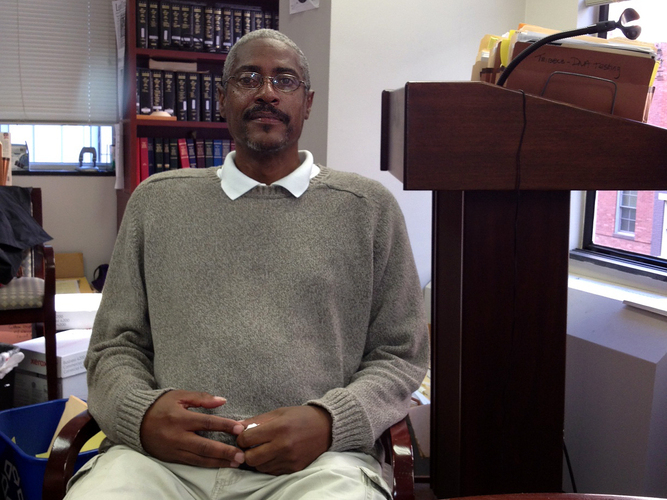





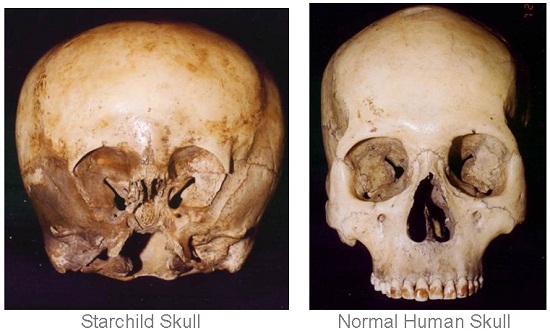
 . They were analyzed by the National Institutes of Health BLAST program, and a substantial portion of the Starchild’s nuclear DNA was found to have “no significant similarity” to any DNA previously found on Earth. This is historic!