From its humble folkloric beginnings to the release George Romero’s classic Night of the Living Dead in 1968, today’s current Walking Dead craze has taken zombie culture in America to new heights. And now that Halloween has arrived, our taste for adventures involving hordes of the undead has doubled. Whether you’re searching for candy treats or goodies of a fleshier variety, it’s the ideal time of year to dig a little deeper into the zombie phenomenon as it continues to fill up our film screens, televisions, and literature.
The zombie myth is timeless, with references to the dead rising up again found throughout the histories of various cultures. However, the actual term “zombie” has more specific roots in Haitian Creole traditions and African religious customs, where the zombies were simply mindless slaves rather than the insatiable, flesh-eating monsters they would become in the hands of American pop culture creators.
Regardless of origin, there’s no denying the zombie has come into its own in the last few decades, serving as a metaphor for everything from the danger of mindless consumerism to economic disasters and epidemics on an international scale. And while zombies still operate effectively as metaphors for large scale disasters, global, environmental, and otherwise, there’s are also more immediate messages in shows like The Walking Dead. As we as a society find ourselves relying more and more on automation and less and less on our own intellect, we’re in danger of becoming just as mindless as the monsters we fear.
We’re increasingly producing devices and systems designed to make our lives easier and safer, but at what cost? Automated home security systems that are designed to do our thinking for us in case of a threat to our family members or property are a prime example of the double-edged sword . By allowing an “intelligent” machine system to do the thinking, we decrease the possibility that we’d be able to respond appropriately to a threat should the system no longer operate.
The risk is also inherent in other types of so-called advanced technology, such as increasingly automated features on the vehicles we drive and labor saving machines replacing the humans in our factories. By allowing the machines to think for us, we run the risk of decreasing our own capacity for innovation and creative thinking and thus our ability to operate without technology. We’re in danger of becoming slaves to the technologies that were intended to serve us instead.
On some subtle level, we seem to be aware of and fear the dangers of our overreliance on automation, as witnessed by the popularity of television shows like The Walking Dead, a show supposedly about zombies but that focuses instead on the survivors of the global apocalypse rather than the cause of it. The main characters, although always in danger, nonetheless present a message that the more willing they are to adapt to a world without the technologies and creature comforts they no doubt relied on prior to the world disaster, the more likely they are to be able to survive the new reality. And it’s no accident that the ones most able to survive from the beginning are the Daryl Dixons and Glenn Rhees of the show, those willing to think creatively and who had lived life prior to the apocalypse without an over-reliance on technology.
While the newest zombie-based show on the scene has only aired its first six-episode season thus far, there’s likely an even stronger possibility of exploring the characteristics required to survive a global loss of technology that accompanies a zombie apocalypse.Fear the Walking Deadis set in the same universe as the original The Walking Dead but with a backed-up timeline meant to show the first days of the epidemic. So, while technology had begun to fail by the end of the first season, characters were not yet completely cut off.
There’s no doubt that advances in technology have numerous benefits for mankind, but when the technology is capable of more advanced thinking than we ourselves are, the dangers may just outweigh some of the benefits. If we want to avoid becoming mindless zombie slaves to technology, we have to be able to do our own thinking.
Rex 84, short for Readiness Exercise 1984, was a classified”scenario and drill” developed by the United States Federal Government to suspend the United States Constitution, declare martial law, place military commanders in charge of state and local governments, and detain large numbers of American citizens who are deemed to be “national security threats”, in the event that the President declares a “State of National Emergency”. The plan states, events causing such a declaration would be widespread U.S. opposition to a U.S. military invasion abroad, such as if the United States were to directly invade Central America.To combat what the government perceived as “subversive activities”, the plan also authorized the military to direct ordered movements of civilian populations at state and regional levels.
George A. Romero’s Vital Role in Paving the Road for Today’s Zombie Film
The first feature length film to employ zombies as a vehicle for social commentary was Abel Gance’s J’Accuse (1919), which is also memorable for featuring authentic footage from the battlefields of the first World War. In the 1930’s, many zombie films were inspired by mostly misinterpreted Haitian mythology. Today, zombie film and culture now permeate virtually all mass media, everything from video games, to TV shows, to graphic novels. Zombies are used as a narrative device to discuss any number of issues, from oppressive, military states, to contagions and pandemics, to xenophobia and social stigma. We owe most of this to George A. Romero.
Zombie films, and indeed exploitation films in general, would not exist as we know them today if not for Romero’s influence. From his early work with the groundbreaking films Night of the Living Dead (1968), Dawn of the Dead (1978), and Day of the Dead (1985) that set the zombie genre in motion to his recent works like Land of the Dead (2005), Diary of the Dead (2007), and Survival of the Dead (2010) Romero set the standard for the zombie movie in ways that changed how we watch the genre entirely.
Night of the Living Dead, although black and white and also shot on a shoestring budget, has a depth that was surprising for the time. Although the film didn’t shy away from explicit onscreen violence, it wasn’t the blood and guts alone that made this film revolutionary. After all, by 1968, exploitation filmmakers like Herschell Gordon Lewis had already been churning out over-the-top gory films like Blood Feast (1963) for a few years. What distinguished Romero’s film was that it didn’t rely exclusively on sensational gimmicks, but it endeavored to tell a meaningful story with characters that elicited emotional responses from viewers. The film focused more on the human relationships during the post apocalyptic backdrop, and it offered poignant commentary about humanity’s inability to reconcile conflicting self-interests in crisis situations. The film is also notable for featuring a black actor (Duane Jones) as its male lead. What’s more, the film had the audacity to have its main character killed off — and what’s more, the black male lead is shot by a white militia. Bear in mind that Martin Luther King Jr. was assassinated around the time of the film’s release, and Malcolm X had been assassinated a mere three years prior.
His next installment in the Dead saga was Dawn of the Dead (1978), which mostly takes place inside an overrun shopping mall and also focuses on the survivors of a zombie outbreak. We are told that the zombies flock to the mall because they have vague memories of the site holding personal significance for them. It’s Romero’s stab at consumer culture, and the unhealthy degree of importance assigned to material wealth.
In 1985’s Day of the Dead Romero envisions an underground military base where zombies have been kept for experimentation. It evokes sympathy for the zombies, and vilifies the power-crazed military officials (especially the psychopathic Captain Rhodes, who meets an especially gruesome end). Day, with it’s scaything criticism of governmental abuse of power and ethical issues surrounding military service, is perhaps the most socially relevant of all the Dead films. Not only is it attracting fresh attention because of regular screenings on TV, particularly the new grindhouse/horror-oriented El Rey cable network (more info here), but the film also laid the groundwork for modern zombie productions like The Walking Dead, and 28 Days Later. And moreover, his films have been remade and adapted, proving that they are still as relevant as ever to a modern day audience.
While his film Land of the Dead (2005) did offer unique criticism of the Bush administration, his follow-ups, Diary of the Dead (2007), and Survival of the Dead (2010) failed to gain widespread attention like his earlier works did but they still prove to be potent additions to the zombie film genre catalog. His most recent outings lack the potency as the earlier films. However, these movies were not totally without merit and, in fact, only upheld the idea that Romero is an incredibly important figure in the zombie genre who had an integral role shaping what it is today.
In more recent, unrelated works like The Walking Dead and 28 Days Later, the very ideas those films were founded upon are the same ideas that Romero laid out in his earlier works and upheld in his later films. Surely, if not for Romero’s works and contributions, the zombie genre that we know and love to today would seem infinitely less-thrilling, and considerably less relevant, than it is today.
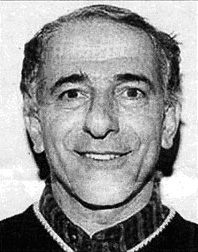
Martin John Rogers was found with his wrecked car down an embankment in western Maryland on Thursday, September 4, 2014, after disappearing on August 21, 2014 when he left home for work at the world-renowned research center near Washington, D.C. No word yet on the cause of death, an autopsy will be performed to determine the manner of death, according to LA Times and The Baxter Bulletin. Here is where the mystery comes in. According to the report, the search for Rogers didn’t start until a few days after he failed to show up for work, but on the day he disappeared he is seen on surveillance footage and used a credit card at a Motel 8 a few hours after he left home. Martin Rogers had worked at the National Institutes of Health for 15 years and specialized in tropical diseases.
It’s time to demand an end to the cover-up of the leading cause of breast cancer – tight bras.
It’s been 20 years since our research showing a major link between breast cancer and the wearing of tight bras for long periods of time daily was announced to cancer experts in our book, Dressed To Kill: The Link Between Breast Cancer and Bras.
Cancer charities don’t care about a cure
This breakthrough information was promptly ignored, ridiculed, and censored by the very people and organizations whose mission is to find a cure and cause of this modern day epidemic.
Despite the resistance, our message did get out to millions of women, some of whom discovered on themselves that ending the habit of constricting their breasts with bras improved overall breast health – including reducing breast pain, cysts, and tenderness.
Boycott breast cancer charities: Send you’re your bra instead of money!
While the cancer industry still thinks of the lymphatic system as merely the pathway for the spread of cancer, leading them to remove lymph nodes creating painful and disabling lymphedema in their patients, there are now more healthcare providers who understand the vital role the lymphatic system plays in disease prevention.
They understand how constriction of the lymphatic drainage from the breasts caused by tight bras can result in tissue toxification, cysts, pain, and ultimately, cancer.
But, despite the successes of women regaining breast health by altering their bra wearing habits, the cancer detection and treatment industry has consistently and arrogantly dismissed the bra-cancer link.
Does a bra really contribute to breast cancer?
It does, according to at least 5 research studies and numerous healthcare providers, including oncologists and MD’s. Even some lingerie manufacturers have developed new bra designs hoping to minimize lymphatic constriction and thereby help prevent breast cancer – citing the bra-cancer theory for their patents.
But it doesn’t, according to the American Cancer Society (ACS) and the Susan G. Komen Foundation, fundraising giants of the cancer detection and treatment world – which consider the link absurd and unworthy of serious consideration, and unquestionably assume that research showing a link must have some other explanation besides bras.
Shrugging off the bra-cancer link is killing hundreds of thousands of women and wasting billions of dollars in unnecessary detection and treatment.
As breast cancer researchers, we are calling for a boycott of these organizations until they stop dismissing the bra-cancer link, and begin educating doctors and women about the cancer hazards of wearing tight bras.
What is the risk of wearing a bra?
Our research showed that bra-free women have about the same incidence of breast cancer as men, and that the tighter and longer a bra is worn the higher the incidence rose, up to 100 times greater for 24/7 bra wearers.
Why are women not hearing about this from the ACS and Komen Foundation? Why are these organizations, so eager to fund raise for a cure, so opposed to preventing this disease by addressing the bra-cancer link?
Could it be because lingerie companies donate to their charities? Could it be that preventing this disease by challenging the cultural norm of bra wearing is too taboo for these detection and treatment focused organizations?
Whatever their reason, it is wrong for the bra-cancer link to be dismissed and ignored. Because of this unscientific stonewalling of this information, over the past 20 years 2,000,000 women in the United States alone have gotten breast cancer – which may have been prevented by simply loosening their bra and wearing it less often, each day.
So, when the ACS or Komen Foundation ask for a donation, send them your bra, instead. This will give them the message, and help you prevent breast cancer at the same time.
About the author: Sydney Ross Singer is a world-renown medical anthropologist, author, and director of the Institute for the Study of Culturogenic Disease, located in Hawaii. A pioneer in the field of applied medical anthropology, Sydney, along with his wife and co-author, Soma Grismaijer have written numerous groundbreaking books that provide new theories, research, and revelations on disease causation and prevention, including the internationally acclaimed book, Dressed To Kill: The Link Between Breast Cancer and Bras. For more information – visit:KillerCulture.com
“Scientific evidence does not support a link between wearing an underwire bra (or any type of bra) and an increased risk of breast cancer. There is no biological reason the two would be linked, and any observed relationship is likely due to other factors.”
Internet e-mail rumors and at least one book have suggested that bras cause breast cancer by obstructing lymph flow. There is no good scientific or clinical basis for this claim.
1991 Harvard study (CC Hsieh, D Trichopoulos (1991). Breast size, handedness and breast cancer risk. European Journal of Cancer and Clinical Oncology 27(2):131-135.). This study found that, “Premenopausal women who do not wear bras had half the risk of breast cancer compared with bra users…”
1991-93 U.S. Bra and Breast Cancer Study by Singer and Grismaijer, published in Dressed To Kill: The Link Between Breast Cancer and Bras (Avery/Penguin Putnam, 1995; ISCD Press, 2005). Found that bra-free women have about the same incidence of breast cancer as men. 24/7 bra wearing increases incidence over 100 times that of a bra-free woman.
Singer and Grismaijer did a follow-up study in Fiji, published in Get It Off! (ISCD Press, 2000). Found 24 case histories of breast cancer in a culture where half the women are bra-free. The women getting breast cancer were all wearing bras. Given women with the same genetics and diet and living in the same village, the ones getting breast disease were the ones wearing bras for work.
A 2009 Chinese study (Zhang AQ, Xia JH, Wang Q, Li WP, Xu J, Chen ZY, Yang JM (2009). [Risk factors of breast cancer in women in Guangdong and the countermeasures]. In Chinese. Nan Fang Yi Ke Da Xue Xue Bao. 2009 Jul;29(7):1451-3.) found that NOT sleeping in a bra was protective against breast cancer, lowering the risk 60%.
2011 a study was published, in Spanish, confirming that bras are causing breast disease and cancer.http://www.portalesmedicos.com/publicaciones/articles/3691/1/Patologias-mamarias-generadas-por-el-uso-sostenido-y-seleccion-incorrecta-del-brassier-en-pacientes-que-acuden-a-la-consulta-de-mastologia- It found that underwired and push-up bras are the most harmful, but any bra that leaves red marks or indentations may cause disease.
No one said it better than Michael Crichton – who, in addition to being a best selling author, was also a physician.
During a lecture at Cal Tech, he said, “Let’s be clear: The work of science has nothing whatever to do with consensus. Consensus is the business of politics. Science, on the contrary, requires only one investigator who happens to be right. … The greatest scientists in history are great precisely because they broke with the consensus.”
The medical community has always been subject to “group-think,” but in recent decades we have become the leaders. Numerous physician-scientists have been ostracized, defrocked, de-licensed and in some cases driven to self-destruction by a medical community that has embraced consensus in science.
In essence, “We don’t care about your data; we all agree you are wrong.”
I once had a paper rejected from a major spine journal with a one line denouement: “Everyone knows you can’t do that.”
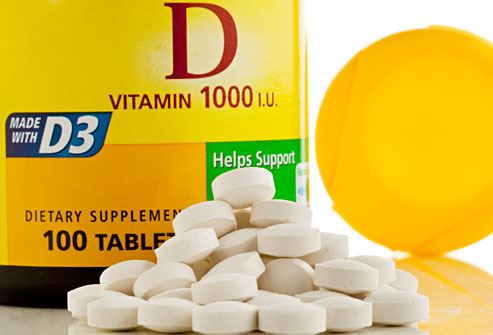
With time, ultimately, truth prevails, and renegade but correct physicians are vindicated – but not in time to save those patients who die from the mistaken consensus. Today, this “group-think” is depriving people from some of the best and cheapest medical treatment available – supplementation with adequate Vitamin D3.
Vitamin D deficiency has been associated with childhood rickets – a bone disorder – for over a hundred years. And it has been known since the 1970s that those living on the equator, regardless of particular locale, have lower rates of multiple sclerosis, colon cancer and depression. But more recently, many astute observers have discovered that low Vitamin D leads to many other disorders, including cardiac arrhythmia, breast cancer, adult fractures, dementia, heart attack risk and even diabetes.
Most recently, studies have demonstrated that higher levels of Vitamin D improve longevity and are beneficial at preventing influenza – even better than vaccination. Studies showing beneficial effects of high vitamin D levels are quite convincing. They not only show a correlation between low Vitamin D blood levels and the problem, but show improvement in the disease or prevention of the condition when levels are raised up through supplementation.
As an example, it has been shown in the laboratory that heart muscle does not contract well unless adequate Vitamin D is present. An Italian population study showed that low Vitamin D was proportional to atherosclerotic plaques (clogging of the arteries). Furthermore, a Japanese study of dialysis patients demonstrated that correcting Vitamin D deficiency significantly lowered death from heart attacks and heart disease in general.
These are only a few of the rapidly expanding body of literature supporting the role of Vitamin D in multiple disease prevention. But to achieve the positive effects seen in many diseases, blood levels need to be in the range of 50 to 100 ng/dl, not the 20 ng/dl that laboratories report as the lowest range of “normal” (how labs determine “normal” is the subject of another column). Specifically in the case of breast cancer, if one achieves blood levels above 55 ng/dl, the risk of breast cancer is diminished 85 percent.
It is the observation of many, many practicing clinicians that 1) most patients test in the low 20s, and 2) 400 iu of Vitamin D a day – the government recommended daily allowance doesn’t raise the levels at all. Studies of equatorial inhabitants demonstrate that some of the longest-lived people on the planet obtain 30,000-40,000 iu of Vitamin D (specifically D3) a day from the sunlight – nature’s source of the vitamin. Given that, it is not suprising that supplementing 10,000 iu a day of Vitamin D3 has been shown to have no adverse effects.
As an Orthopaedic Surgeon, I deal with bone disorders daily, and have long been interested in this topic. I quit testing for Vitamin D levels in untreated people after every one of my patients tested in the low 20s. I only tested my husband because he was convinced that golfing in Arizona 18 holes, six days a week would raise his level. It did not – his level was 22 ng/dl.
As a final fact, D3 supplementation is cheap. For less than $12 a month you can easily take 10,000 iu of Vitamin D3 a day.
Now, given all this, what would you do?
I, for one take 10,000 units of Vitamin D3 a day. I have done so for over 7 years, and my levels of 55 ng/dl are barely in the optimal range of 50-100ng/dl. I recommend the same to all my patients. But I must warn them that the government, via the Institute of Medicine and the FDA, disagree and believe people should take only 600-800 iu a day.
Now it doesn’t take a medical degree to figure out that a cheap treatment that has such potential upside with so little (if any) downside is worth doing as real preventive medicine. But the government consensus – developed by intellectuals who feel they are infinitely smarter than we are, and should be able to make our choices for us – is that there is no evidence for the beneficial claims.
Really? If they emerge from their collective basement, they will find pages and pages of references. Don’t believe it? Do a simple Google search. Or just read the newspaper. Besides frequent articles in medical and general science journals supporting Vitamin D3 supplementation, there are monthly news stories about this rapidly advancing science.
Sadly, the government doesn’t just want to discourage you from taking extra Vitamin D, they want to prohibit it. Senator Dick Durban, D-Ill., in 2011 introduced a bill (innocuously labeled the “Supplement Labeling Act”) which would so over-regulate the supplement industry that they could no longer supply products such as Vitamin D3 at a cost affordable to the average consumer.
And state medical boards, which are now populated by many non-physicians, sanction physicians who step out of this approved “consensus” – what they call “standard of care.” According to them, if you are not doing what 90 percent of your colleagues are doing, you are by definition wrong. And they can punish you, even to the extent of taking away your license. So, regardless of progress in science, if 90 percent of doctors are recommending an inadequate dose of Vitamin D, your doctor must give you this wrong advice.
To be a scientific leader in this new world order is to be wrong. If the phone company had this philosophy, we would still be tied to land line rotary dials.
Science and medicine are not a vote. As Dr. Crichton pointed out, voting is for politicians. Science requires freedom to consider the alternatives, and in medicine, the freedom to make our own choices – not have government bureaucrats or the Institute of Medicine make them for us
A new vaccine for influenza has hit the market, and it is the first ever to contain genetically-modified (GM) proteins derived from insect cells. According to reports, the U.S. Food and Drug Administration (FDA) recently approved the vaccine, known as Flublok, which contains recombinant DNA technology and an insect virus known as baculovirus that is purported to help facilitate the more rapid production of vaccines.
According to Flublok’s package insert, the vaccine is trivalent, which means it contains GM proteins from three different flu strains. The vaccine’s manufacturer, Protein Sciences Corporation (PSC), explains that Flublok is produced by extracting cells from the fall armyworm, a type of caterpillar, and genetically altering them to produce large amounts of hemagglutinin, a flu virus protein that enables the flu virus itself to enter the body quickly.
So rather than have to produce vaccines the “traditional” way using egg cultures, vaccine manufacturers will now have the ability to rapidly produce large batches of flu virus protein using GMOs, which is sure to increase profits for the vaccine industry. But it is also sure to lead to all sorts of serious side effects, including the deadly nerve disease Guillain-Barre Syndrome (GSB), which is listed on the shot as a potential side effect.
“If Guillain-Barre Syndrome (GBS) has occurred within six weeks of receipt of a prior influenza vaccine, the decision to give Flublock should be based on careful consideration of the potential benefits and risks,” explains a section of the vaccine’s literature entitled “Warnings and Precautions.” Other potential side effects include allergic reactions, respiratory infections, headaches, fatigue, altered immunocompetence, rhinorrhea, and myalgia.
According to clinical data provided by PSC in Flublok’s package insert, two study participants actually died during trials of the vaccine. But the company still insists Flublok is safe and effective, and that it is about 45 percent effective against all strains of influenza in circulation, rather than just one or two strains.
FDA also approves flu vaccine containing dog kidney cells
Back in November, the FDA also approved a new flu vaccine known as Flucelvax that is actually made using dog kidney cells. A product of pharmaceutical giant Novartis, Flucelvax also does away with the egg cultures, and can similarly be produced much more rapidly than traditional flu vaccines, which means vaccine companies can have it ready and waiting should the federal government declare a pandemic.
Like Flublok, Flucelvax was made possible because of a $1 billion, taxpayer-funded grant given by the U.S. Department of Health and Human Services (HHS) to the vaccine industry back in 2006 to develop new manufacturing methods for vaccines. The ultimate goal is to be able to quickly manufacture hundreds of millions of vaccines for rapid distribution.
Meanwhile, there are reportedly two other GMO flu vaccines currently under development. One of them, which is being produced by Novavax, will utilize “bits of genetic material grown in caterpillar cells called ‘virus-like particles’ that mimic a flu virus,” according to Reuters.
Medical marijuana is now legal in 18 states, but it’s clear we’ve discovered a fraction of its potential for health.
There are now legal medical cannabis programs in 18 states plus Washington, DC, with pot fully legal for adults in two other states. Ironically, however, the actual healing power of the plant has barely been tapped. Smoking marijuana with THC (tetrahydrocannabinol), or better, vaporizing it (using a device to bake the plant material and inhale the active ingredients), has an indisputably palliative effect and can be medically useful for pain relief, calming and appetite stimulation. It already has confirmed benefits against glaucoma, epilepsy and other specific diseases and disorders. It also gets people high. THC triggers cannabinoid receptors in the brain and this produces the sensation of being stoned. These receptors are found in the parts of the brain linked to pleasure, memory, concentration, and time perception.
But, based mostly on research overseas there is an increasing consensus that the medicinal benefits of psychoactive THC pale in comparison to the non-psychoactive cannabidiol (CBD) from the leaves of the same plant–raw and unheated. Depending on the strain, some plants are high in CBD but also contain a lesser amount of THC which is said to enhance the healing potentiality. CBD does not make people feel “stoned” and actually counters some of the effects of THC (for example, suppressing the appetite vs. stimulating it). CBD is beginning to be recognized by researchers at mainstream medical institutions around the world as a potentially very powerful weapon against cancer.
Researchers Sean D. McAllister and Pierre Desprez, who conducted studies of CBD’s effect on cancer cells for California Pacific Medical Center, suggest that these non-psychoactive compounds from the cannabis plant might, in short order, render chemotherapy and radiation distant second and third options for cancer patients. Based on a more recent study, McAllister and Desprez feel that CBD’s “could stop breast cancer from spreading.”
Dr. Donald Abrams, a cancer specialist and professor of integrative medicine at UCSF, conducted early trials involving THC medical cannabis, and now he is excited about the powerful impacts of CBD on cancer cells. The National Cancer Institute was busy researching this in the 1970s, Abrams explains, but restrictions on the use of cannabis for research in the United States resulted in most of the research on this subject disappearing in the U.S., and being picked up in other countries, such as Israel, Spain and Italy. He says existing studies point to a remarkable ability of CBD to arrest cancer cell division, cell migration, metastasis, and invasiveness.
Other studies point to CBD as having great promise as a defense against Alzheimer’s disease. In a 2006 study published in Molecular Pharmaceutics, a team of University of Connecticut researchers reported that cannabis “could be considerably better at suppressing the abnormal clumping of malformed proteins that is a hallmark of Alzheimer’s disease than any currently approved prescription.” The research team predicted that cannabinoid-based medications “will be the new breakout medicine treatments of the near future.”
Medical cannabis has a long history of use, starting in India, and then in China and the Middle East some 6,000 years ago. It came to the West in the 1800s, where it was listed in the U.S. Pharmacopeia until the 1930s. Used for over 100 ailments, cannabis was a favorite of our grandparents for cough remedies, analgesics, and tonics and was available over the counter at every local drugstore as well as companies such as Sears, Roebuck and Co. Banned in 1937 via the Marijuana Tax Act as part of a politically and racially driven prohibition craze, it was gradually removed from the pharmacopeia and research was discouraged and later prohibited via drug scheduling. The FBI linked the herb with insanity and claimed a direct correlation between cannabis and violence, and even death, especially when used by people of color.
Currently, science increasingly recognizes the role that cannabinoids play in almost every major life function in the human body. It wasn’t until 1990 that endocannabinoids, produced by the human body, were discovered to act as a bio-regulatory mechanism for most human life processes and have receptors sites throughout the human body. CB2 receptors are found almost exclusively in the immune system, with the greatest density in the spleen. These CB2 receptors appear to be responsible for the anti-inflammatory and other newly recognized and very significant therapeutic effects of cannabis.
Cannabis medicine has distinct advantages. CBD, as well as THC, can be given in massive doses with no side effects. In fact, it has performed very effectively as an anti-psychotic when given in high doses. CBD selectively targets and destroys tumor cells while leaving normal healthy cells unmolested. On the other hand, chemotherapy and radiation are highly toxic and indiscriminately injure healthy cells in the brain and the body. Industrial hemp is often high in healing CBD and very low in THC. Hemp CBD is a waste product — it’s thrown out by the ton every year when it could easily be harvested for tumor shrinking.
Medical cannabis farm Tikun Olam in Israel has been developing a strain of cannabis that is high in CBD (15.8%) but very low in THC (1%). This new strain is called Avidekel and seems to have the highest CBD to THC ratio of any other variant strain. Zack Klein of Tikun Olam told Reuters: “Sometimes the high is not always what is needed. Sometimes it is an unwanted side effect. For some of the people it’s not even pleasant.”
The THC industry and its users worry that once CBD medicine grows in popularity, the medical badge might be torn from the sticky buds that makes being “stoned” possible. Aside from THC’s significant medical benefits, surely its ability to make people feel happier and less stressed should not be considered without therapeutic value. More likely, all options will thrive, and 1,000 cannabis flowers will blossom: Indica, Sativa, CBD + THC, CBD Only, etc.
Meanwhile, it’s useful to note that since 2003, the U.S. federal government has held a “medical patent” for the marketing of cannabinoids as antioxidants or neuroprotective agents. The patent states that cannabinoids are “useful in the treatment and prophylaxis of wide variety of oxidation associated diseases such as inflammatory and autoimmune diseases. The cannabinoids are found to have particular application as neuroprotectants, for example in limiting neurological damage following ischemic insults, such as stroke and trauma, or in the treatment of neurodegenerative diseases, such as Alzheimer’s disease, Parkinson’s disease and HIV dementia.”
However, stoners may have it all wrong, medically speaking. It is unlikely a person can get a sufficient level of cannabidiol (pronounced kan-nəbə-dī’-ˌȯl) from smoking the raw plant to impact diseases like cancer in a curative manner, says Desprez. The marijuana plant offers many uses, but it may come as a surprise to most users that you have to choose early in a plant’s life if you want it to make you high or to heal you. Research suggests that cannabis is most beneficial when the whole spectrum of cannabinoids are represented, including some THC. It is the ratio of cannabinoids in a specific strain of cannabis that most determines its therapeutic potential. Juicing the cannabis leaves raw, along with some carrots or other green veggies, has proven very beneficial as it involves the ingestion of the acid form of cannabinoids, which are non-psychoactive (even the THC). Cannabis oil also has enthusiastic fans who claim it has cured their cancers.
In India there are still large numbers of people who partake in an ancient practice of having a fresh raw cannabis drink called “Thandai” in which fresh cannabis leaves are made into a paste along with almonds, milk and sugar. This tasty drink is often consumed at religious festivals, and in some cities the government maintains distribution points for cannabis. A rolled sweet ball with similar ingredients is called “Bhang,” familiar for over a century to many Western seekers walking the ghats of sacred Banaras.
Cannabis edibles in the West are emerging as one of the fastest growing new sectors of the food industry. Dispensaries in 18 states offer such goodies as ice cream, cough drops, peanut butter, honey, saliva tea, and myriad baked goods and savory snacks–all dosed with THC. Given the huge potential market for non-psychoactive cannabis, the introduction of CBD-rich medicine at the dispensary level has been surprisingly sluggish. Owners have been reluctant to stock CBD-rich strains or edibles because their present customers are seeking —or are not adverse to— cannabis that provides euphoria or sedation. THC content is a known seller. Once the medical benefits of non-psychoactive cannabis become more widely known, one can only imagine the variety and volume of CBD-rich foods that will rush to market.
Smoking, as opposed to vaporization, may be the least effective method of using cannabis as a medicine. But many raw cannabis users are convinced that CBD is the source of medical miracles. Restrictions on research have impacted the accuracy with which we can prescribe cannabis and determine the most effective and least harmful ways to utilize its benefits. Perhaps in the very near future, instead of smoking cannabis to reduce nausea from chemotherapy, cancer patients will be consuming raw non-psychoactive cannabis, and be healed without having to suffer the additional damage of radiation and chemotherapy at all.
Allan Badiner is a writer, activist, and editor of three books: Dharma Gaia: A Harvest of Essays in Buddhism and Ecology, Zig Zag Zen: Buddhism and Psychedelics, and Mindfulness in the Marketplace: Compassionate Responses to Consumerism.
Bad news sugar lovers: a diet high in fructose won’t just make you fat, it may also make you stupid, according to research out of California.
A steady high-fructose diet disrupts the brain’s cognitive abilities, leading to poor learning and memory retention, says a study by Fernando Gomez-Pinilla, a neurosurgery professor at the David Geffen School of Medicine at UCLA and Rahul Agrawal, a visiting UCLA postdoctoral fellow from India.
“This type of diet. . . (affects) the transmission of information across cells. . . learning and memory and practically any type of brain function depends very much on how transmission is transported across cells,” Gomez-Pinilla said in an interview with the Star.
Health concerns
Their study, published in the May 15 edition of the Journal of Physiology, looked at high sugar consumption, focusing less on naturally occurring fructose in fruits and more on the fructose in high-fructose corn syrup.
Research has already proven a high-fructose diet leads to a slew of health concerns, including obesity, diabetes and fatty liver.
The U.S. is the world’s largest consumer of sweeteners.
High-fructose corn syrup, which acts as a preservative and sweetener, is found in a variety of processed foods, from soft drinks and baby food to salad dressings and condiments.
The average American consumes approximately 21 kilograms of cane sugar and 16 kilograms of high-fructose corn syrup annually, according to the U.S. Department of Agriculture.
Role of fatty acids
Gomez-Pinilla and Agrawal studied two groups of rats, both of which drank a fructose solution in their drinking water for six weeks. One of the groups also consumed omega-3 fatty acids, from flaxseed oil and a DHA (docosahexaenoic acid) capsule. Omega-3 fatty acids have been found to guard against heat disease, high cholesterol and mental conditions such as bipolar disorder and depression, according to the University of Maryland Medical Center.
Both rat groups were trained on a maze for five days before starting their new diet. After six weeks, Gomez-Pinilla and Agrawal retested the rats on the maze to monitor brain function and memory retention, noting the rats that consumed the fructose solution without the omega-3 fatty acids had problems with how they were able to think and recall routes in the maze.
Those rats also showed a resistance to insulin, a hormone that regulates sugar levels in the body.
“Rats fed on a (omega-3 fatty acids) deficient diet showed memory deficits in a Barnes maze, which were further exacerbated by fructose take,” the authors write.
They found that a rich diet of omega-3 fatty acids counteracted the negative affects of fructose.
Implications for humans
In terms of humans, Gomez-Pinilla predicts such changes in the brain to happen within six months to a year.
“The implication(s) here (are) the high consumption and the chronic consumption for man,” Gomez-Pinilla said, adding research needs to be done on the specific affects on humans.
“We don’t know yet how long (the damage) can last.”
The war on unhealthy food choices is a growing. In September, New York City announced it would ban sugar-filled drinks larger than 16-ounces from concession and fast-food stands, restaurants and movie theatres.
In Canada, a push on healthy eating is on the rise as the country grapples with the fact that 31.5 per cent of Canadian children aged 5 to 17 are either overweight or obese, according to a Statistics Canada report released in September.
“Diabetes is very prevalent in western society. It’s known already there is an (epidemic) of diabetes, which is highly related to a consumption of foods high in sugar,” Gomez-Pinilla said.
Gomez-Pinilla advocates a nutrient-rich diet that includes omega-3 fatty acids and a proper mix of healthy choices to offset the dangers of fructose.
Foods that are rich in omega-3 fatty acids include flax-seed oil, some types of fish, such as salmon, and nuts.
SUGAR – THE BITTER TRUTH
NEW series with Dr. Lustig “The Skinny on Obesity” http://www.uctv.tv/skinny-on-obesity. Robert H. Lustig, MD, UCSF Professor of Pediatrics in the Division of Endocrinology, explores the damage caused by sugary foods. He argues that fructose (too much) and fiber (not enough) appear to be cornerstones of the obesity epidemic through their effects on insulin. Series: UCSF Mini Medical School for the Public [7/2009] [Health and Medicine] [Show ID: 16717]
Documentary about Big Sugar, from it’s early days with ties to slavery to modern times with it’s detrimental effects on the everglades and political ties. This is both part 1 and part 2. Written & Directed by: Brian McKenna. Produced by: Galafilm in 2005.
As good as this is, it barely touches on the negative effects it has on Florida residents, poisoning the water supply, endangering animals and plant species etc…
If you like to express yourself through painting, writing, or any other form of artistic action, scientists now say that you must be suffering from a mental illness of some kind. In a new display of how truly insane the mainstream medical health paradigm has become, mainstream media outlets are now regurgitating the words of ‘experts’ who say that those who are creative are actually, more often than not, mentally ill.
After all, more than 50% of the United States is, by definition of the psychiatrists of the nation, mentally ill. Even questioning the government is considered a mental disorder. It should come as no surprise to know that upwards of 70% of the psychiatrists who write the conditions are — of course — on the payroll of those who produce the drugs to ‘treat’ the conditions. It should also therefore come as no surprise to note that the DSM (the Diagnostic and Statistical Manual of Mental Disorders, which is the foundation of the entire diagnosis system) now contains over 900 pages of bogus disorders.
And perhaps creativity may soon be added to the massive textbook, which labels people who are shy, eccentric, or have unconventional romantic lives as mentally ill.
Is it any wonder that the 4th edition of the manual, which added hundreds of new ways to diagnose patients, led to a 40 times increase in bipolar disorder diagnoses. Even the lead editor of the DSM-IV Allen Frances, MD, has stated the book is utter nonsense:
There is no definition of a mental disorder. It’s bull****. I mean, you just can’t define it, he said.
Real information like this is what has led the mainstream news to re-title their pieces regarding the new classification of creativity as a mental illness, changing the headlines to more ‘ginger’ ways of linking the two together. Meanwhile, the writers of the study claiming that creativity is part of a mental illness are quite clear in stating that creativity is literally a mental illness. The extent in which you wish to ‘treat’ your creativity, however, is apparently up to you and your doctor.
Be of caution, however, as you have to decide at ‘what cost’ you will allow your creativity to exist. As the study writer stated:
If one takes the view that certain phenomena associated with the patient’s illness are beneficial, it opens the way for a new approach to treatment. In that case, the doctor and patient must come to an agreement on what is to be treated, and at what cost.
As expected the way to ‘treat’ your creativity is of course to take pharmaceutical drugs in the form of anti-depressants or hardcore psychotropic drugs. The same drugs that virtually all suicidal massacre shooters have taken before or during their rampages.
As virtually everything we think and do is classified as a symptom of a mental disorder, the mainstream psychiatric paradigm will continue to grow like a massive parasite alongside the pharmaceutical industry that profits off of the absolute laughable diagnoses of regular adults, children, and even toddlers. Until we realize that we need to shift into a new health paradigm that is centered around personal health freedom and shed corporate science as a whole, we will continue to see insane headlines classifying thought and emotion as mental illness.
In the 1920s, the US government found that animals fed a diet of white flour developed serious neurological diseases and died. Instead of banning this deadly product like they should have, the FDA declared that most white flour products must be “enriched” with iron and a few vitamins to “correct” the problem. Unfortunately, this decision has helped create an even more insidious situation that results in diabetes, heart disease and cancer for millions of people.
Gluten sensitivity
Gluten sensitivity is becoming a raging epidemic today. Gluten sensitivity is not a disease and therefore has no cure. Gluten sensitivity is triggered by eating products containing gluten. The only way to avoid its complications is to stay away from food products containing gluten.
There are 35 diseases that can be caused by eating gluten listed in a review in the New England Journal of Medicine. Some of these symptoms are: arthritis, ADHD, depression, anxiety, IBS, lupus, frequent headaches, fatigue, eczema, loss of muscle coordination, osteoporosis, a weakened immune system, fungal overgrowth, organ inflammation, weight loss/weight gain, and malnutrition.
Gluten sensitivity increases your risk for type 1 diabetes, obesity, gastrointestinal cancers, brain disorders, autism and thyroid disease.
Gluten evils and woes
Gluten is purposefully put in some products because it increases hunger signals to make you eat more of a product by increasing the ghrelin in the digestive tract to enhance feelings of hunger – leaving you hungry for more of that product. Gluten also interferes with leptin which tells your brain you’re full and signals fat to break down. Leptin also normalizes pain sensations in the spinal cord.
• Gluten sensitivity causes inflammation that harms the body tissues by causing an autoimmune response where the immune system ends up attacking the body
• C-reactive proteins rise in response to inflammation; causing cholesterol levels to shoot up and calcium deposits to harden the arteries and blood pressure rise
• Sugar cannot fuel cancer cells by itself. Gluten and the amino acid glutamine have been studied and found to play a critical role in the cancer process.
• Gluten is an excitotoxin; which agitates and kills neuronal cells which like glutamate (think MSG), accelerates, activates, irritates and damages brain cells. A 2006 study took 131 children with ADHD and removed gluten from their diets and all 131 children were reported to have significant improvements.
• Gluten can be broken down into strange proteins that are a lot like psychedelic drugs. These are opium-like proteins are called gluteomorophins (think Autism and Manic Depressive Disorder).
• With gluten, the N Methyl D Aspartate receptors cause spinal cord neurons to become hyper to touch. Leptin in the spinal cord normalizes pain perception and gluten interferes with that process (think fibromyalgia).
• University of California put people on a “Paleolithic” diet, their blood pressure dropped along with blood insulin levels. Good cholesterol went up and bad cholesterol went down – in just 10 days!
• Gluten sensitivity causes you to miss out on your fat soluble vitamins like vitamin D and K
• Eating gluten has now been related to bone density problems (think osteoporosis)
Solution: STOP EATING GLUTEN!
Gluten affects everyone negatively, some effects are very evident now but most of them are sub-clinical and will not show up for years. When disease does finally manifest, the connection to gluten will be overlooked or denied. Gluten-free is a lifestyle choice for health of body and mind. If we choose a gluten-free lifestyle for obvious health reasons, we are intentionally avoiding trouble both now and in the future.
Chitra Chauhan, 33. Died Nov. 15 2010, was found dead in an apparent suicide by cyanide at a Temple Terrace hotel, police said. Chauhan left a suicide note saying she used cyanide. Hazmat team officials said the cyanide was found only in granular form, meaning it was not considered dangerous outside of the room it was found in. The chemical is considered more dangerous in a liquid or gas form. Potassium Cyanide, the apparent cause of death, is a chemical commonly used by universities in teaching chemistry and conducting research, but it was not used in the research projects she was working on. Chauhan, a molecular biologist, was a post-doctoral researcher in the Global Health department in the College of Public Health. She earned her doctorate from the Institute of Genomics and Integrative Biology in New Delhi, India, in 2005, then studied mosquitoes and disease transmission at the University of Notre Dame.
Mark A. Smith, 45, died Nov. 15. A renowned Alzheimer’s disease researcher has died after being hit by a car in Ohio. Smith was a pathology professor at Case Western Reserve University and director of basic science research at the university’s memory and cognition center. He also was executive director of the American Aging Association and co-editor-in-chief of the Journal of Alzheimer’s Disease. He is listed as the No. 3 “most prolific” Alzheimer’s disease researcher, with 405 papers written, by the international medical Journal.
Vajinder Toor, 34, Died April 26, 2010. He was shot and killed outside his home in Branford, Conn. Toor was a postdoctoral fellow at the Yale School of Medicine who was working with the infectious disease section of Yale-New Haven Hospital.
David Banks, age 55, died on May 8, 2005. Banks, based in North Queensland, died in an airplane crash, along with 14 others. He was known as an Agro Genius inventing the mosquito trap used for cattle. Banks was the principal scientist with quarantine authority, Biosecurity Australia, and heavily involved in protecting Australians from unwanted diseases and pests. Most of Dr Banks’ work involved preventing potentially devastating diseases making their way into Australia. He had been through Indonesia looking at the potential for foot and mouth disease to spread through the archipelago and into Australia. Other diseases he had fought to keep out of Australian livestock herds and fruit orchards include classical swine fever, Nipah virus and Japanese encephalitis.
Dr. John Badwey, age 54, died on July 21, 2004. Dr. Badwey was a Scientist and accidental politician when he opposed disposal of sewage waste program of exposing humans to sludge. Badwey suddenly developed pneumonia like symptoms then died in two weeks. He was a Biochemist at Harvard Medical School specializing in infectious diseases.
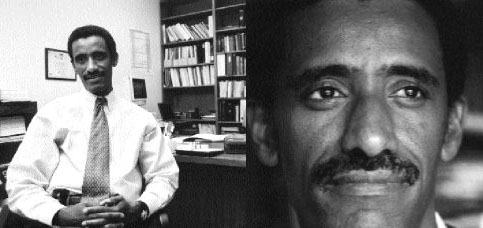
Dr. Assefa Tulu, age 45, died June 24, 2004. Dr. Tulu joined the health department in 1997 and served for five years as the county’s lone epidemiologist. He was charged with tracking the health of the country, including the spread of diseases, such as syphilis, AIDS and measles. He also designed a system for detecting a bioterrorism attack involving viruses or bacterial agents. Tulu often coordinated efforts to address major health concerns in Dallas County, such as the West Nile virus outbreaks of the past few years, and worked with the media to inform the public. Found face down, dead in his office. The Dallas County Epidemiologist died of a hemorrhagic stroke.









 It’s time to demand an end to the cover-up of the leading cause of breast cancer – tight bras.